
Audi Model Repair Hub in Dubai
Start with the model, then narrow the job by generation, model year, VIN, engine, gearbox, drivetrain and installed equipment. This hub connects Audi A and Q models to their dedicated repair pages and routes performance or electric models to the correct next step.
If the starting point is a warning, noise, leak or change in drivability rather than a known repair, the Audi fault and service guides provide a symptom-led route before a model-specific service is selected.
Audi A model repair pages
Choose the model page for service availability and model context. The VIN is still required because the same badge can cover different generations, engines, gearboxes and options.
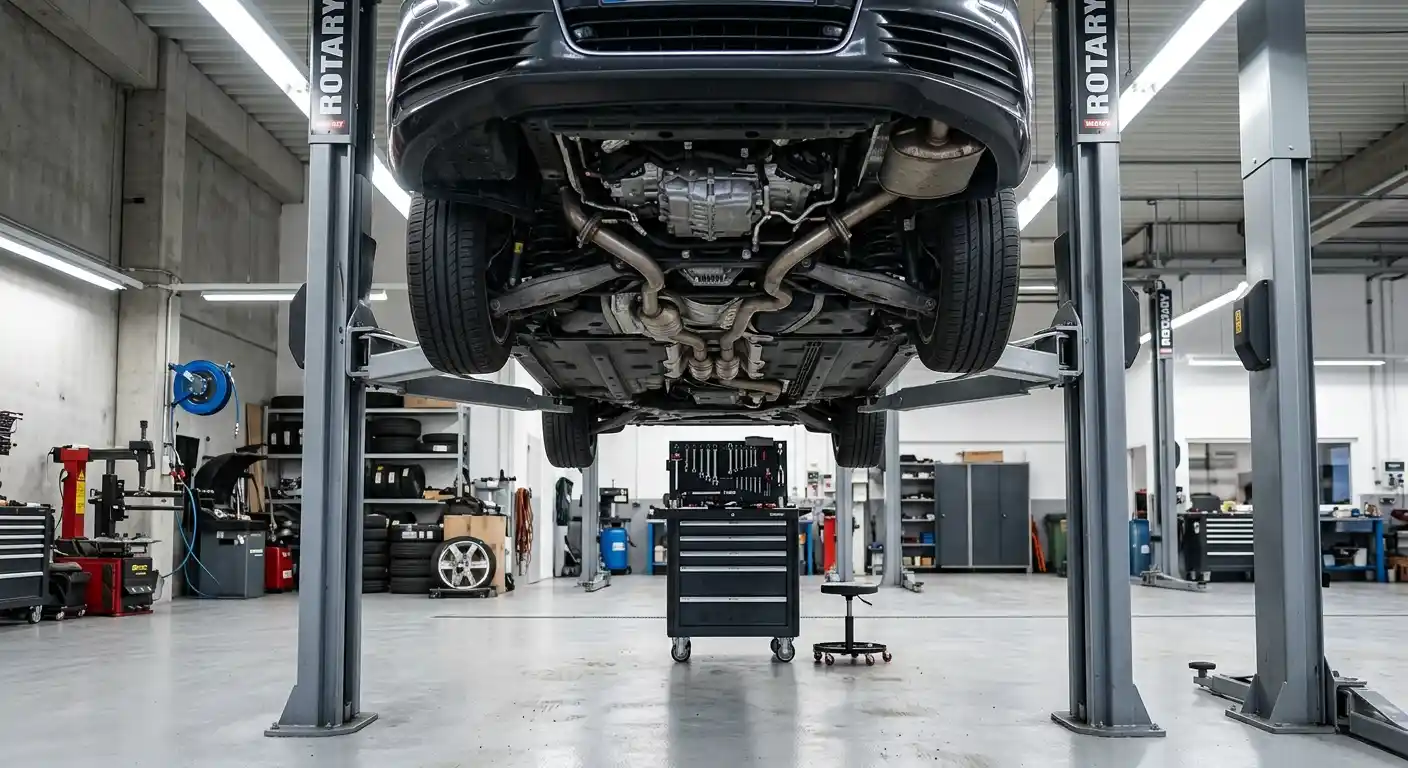
Audi A1 Repair
Service and repair routing for Audi A1 engine, gearbox, chassis, AC and electrical concerns.
Open A1 repair page → Compact AudiAudi A3 Repair
Diagnostics, service and repair routing for Audi A3 variants in Dubai.
Open A3 repair page → Executive sedanAudi A4 Repair
Model-specific route for Audi A4 maintenance and system repairs.
Open A4 repair page → Coupe and Sportback familyAudi A5 Repair
Repair and service route for A5 body styles and powertrain variants.
Open A5 repair page → Business-class AudiAudi A6 Repair
Diagnostics and repair access for A6 engine, gearbox, chassis and comfort systems.
Open A6 repair page → Luxury SportbackAudi A7 Repair
Model route for A7 service, warning lights, suspension and drivetrain work.
Open A7 repair page → Flagship sedanAudi A8 Repair
Repair planning for the A8’s powertrain, air suspension, electrical and comfort systems.
Open A8 repair page →
Audi Q model repair pages
Audi Q2 Repair
Model-specific route for Audi Q2 maintenance, drivetrain, suspension, cooling and electrical work.
Open Q2 repair page → Compact SUVAudi Q3 Repair
Service and repair access for Q3 powertrain, quattro, chassis, AC and electrical systems.
Open Q3 repair page → Mid-size SUVAudi Q5 Repair
Model route for Q5 maintenance, gearbox, suspension, cooling and warning faults.
Open Q5 repair page → Seven-seat SUV familyAudi Q7 Repair
Diagnostics and repair planning for Q7 engine, chassis, air suspension and electrical systems.
Open Q7 repair page → Premium SUVAudi Q8 Repair
Model route for Q8 powertrain, suspension, driver-assistance and comfort-system concerns.
Open Q8 repair page →Other Audi model families need VIN confirmation first
S, RS, TT and R8 models can use different engines, brakes, cooling, suspension, driveline hardware and procedures from the related standard model. e-tron vehicles add high-voltage systems and EV-specific safety requirements.
The current official Audi Dubai model catalogue can confirm models marketed now. It does not identify every older, imported or differently equipped Audi, so repair data must still be selected from the VIN and installed hardware.
Audi S repair scope
Send the full model, VIN and required work so tooling, parts and procedure support can be confirmed before booking.
Performance-specific checks
Brakes, tires, dampers, differentials, cooling and drivetrain scope must match the exact high-performance specification.
e-tron repair and ownership
Use the dedicated EV hub for charging, range, cooling, brakes, tires, 12-volt and high-voltage concerns.
Open e-tron hub →Audi S and RS model repair pages
Choose the exact S or RS model below. Each route remains dependent on the VIN, production date, engine, gearbox, brake package, suspension, drivetrain and any modifications fitted to the vehicle.
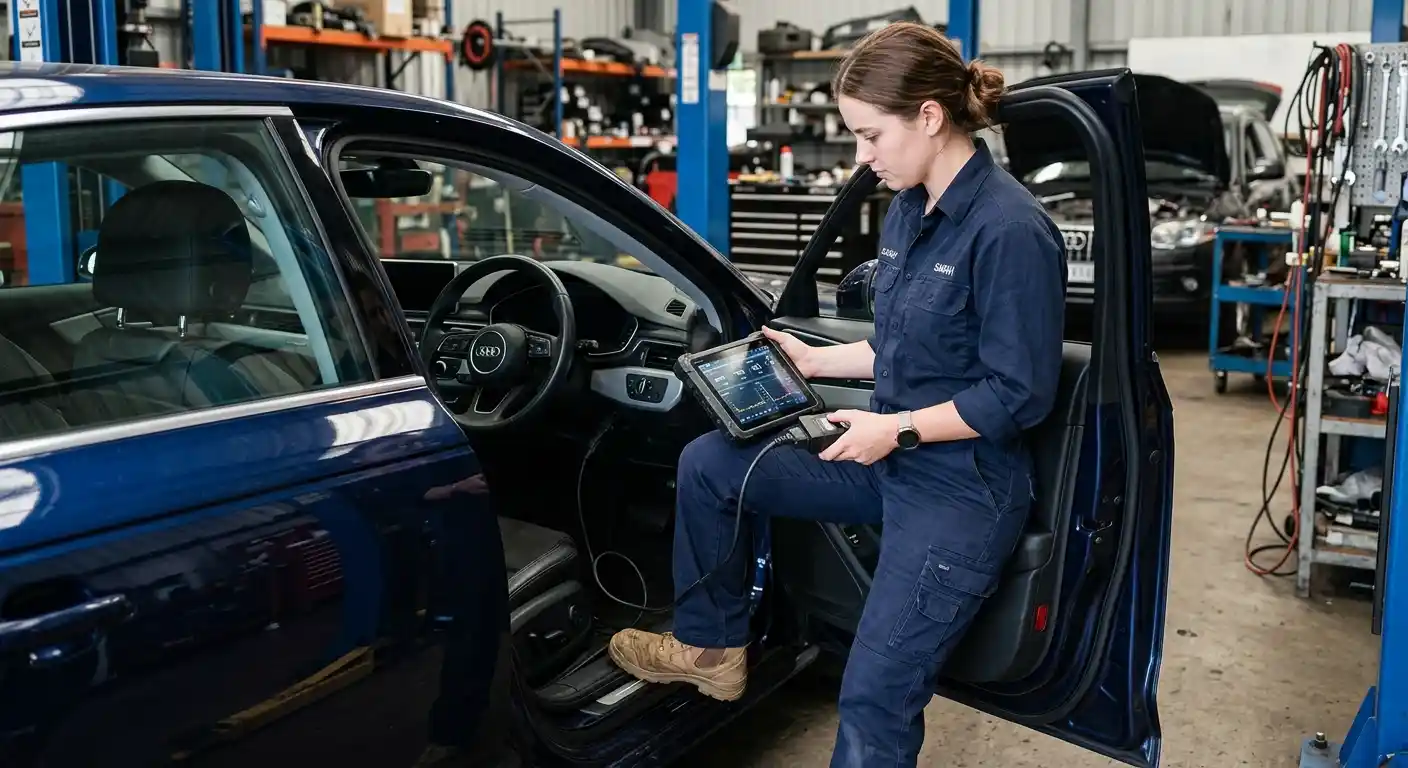
Audi S3 Repair
Repair and service access for S3 powertrain, quattro, cooling, brakes and chassis systems.
Open S3 repair page → Performance sedanAudi S4 Repair
Model route for S4 engine, transmission, sport differential, suspension and electrical work.
Open S4 repair page → Coupe and Sportback familyAudi S5 Repair
Service and diagnosis for S5 body variants, powertrain, chassis and comfort systems.
Open S5 repair page → Executive performanceAudi S6 Repair
Repair planning for S6 thermal management, drivetrain, suspension, brakes and electronics.
Open S6 repair page → Performance SportbackAudi S7 Repair
Model-specific access for S7 engine, gearbox, quattro, chassis and electrical concerns.
Open S7 repair page → Flagship performanceAudi S8 Repair
Repair routing for S8 powertrain, air suspension, brakes, cooling and comfort systems.
Open S8 repair page →Audi RS3 Repair
Diagnosis and service for RS3 engine, quattro, cooling, braking and chassis hardware.
Open RS3 repair page → RS performance estateAudi RS4 Repair
Model route for RS4 drivetrain, sport differential, suspension, brakes and thermal systems.
Open RS4 repair page → RS coupe and SportbackAudi RS5 Repair
Service access for RS5 powertrain, chassis, braking, cooling and electronic equipment.
Open RS5 repair page → High-performance AvantAudi RS6 Repair
Repair planning for RS6 engine, transmission, quattro, air suspension and brake systems.
Open RS6 repair page → High-performance SportbackAudi RS7 Repair
Model route for RS7 cooling, drivetrain, suspension, brakes and advanced electronics.
Open RS7 repair page → Compact RS SUVAudi RS Q3 Repair
Service and diagnostic access for RS Q3 powertrain, quattro, brakes, tires and chassis.
Open RS Q3 repair page → Flagship RS SUVAudi RS Q8 Repair
Repair routing for RS Q8 thermal, drivetrain, air-suspension, braking and control systems.
Open RS Q8 repair page →Audi TT TTS TT RS and R8 repair pages
These models need their own routes because body configuration, powertrain, cooling, brakes, suspension, driveline and access requirements can differ substantially from Audi sedan and SUV families.
Audi TT Repair
Service and repair routing for TT powertrain, roof, chassis, electrical and comfort systems.
Open TT repair page → Performance TTAudi TTS Repair
Model-specific diagnosis for TTS engine, quattro, transmission, cooling, brakes and suspension.
Open TTS repair page → RS sports coupeAudi TT RS Repair
Repair access for TT RS powertrain, thermal management, drivetrain, brake and chassis systems.
Open TT RS repair page → Audi sports carAudi R8 Repair
VIN-led repair planning for R8 powertrain, transmission, cooling, suspension and braking hardware.
Open R8 repair page →Audi SQ model repair pages
The SQ range combines SUV load, larger wheel and brake packages, quattro hardware and performance cooling needs. Select the individual page before narrowing the work by exact specification.
Audi SQ5 Repair
Model route for SQ5 powertrain, quattro, suspension, brakes, cooling and electrical systems.
Open SQ5 repair page → Performance seven-seat SUVAudi SQ7 Repair
Repair planning for SQ7 drivetrain, air suspension, brakes, thermal systems and electronics.
Open SQ7 repair page → Performance flagship SUVAudi SQ8 Repair
Service access for SQ8 engine, transmission, quattro, chassis, braking and control systems.
Open SQ8 repair page →
Audi e-tron model repair pages
Electric Audi models need model-specific identification for high-voltage architecture, charging hardware, thermal management, brakes, tires, suspension, software and 12-volt systems. High-voltage work must follow the correct safety scope.
Audi e-tron Repair
Start here for charging, range, cooling, 12-volt, brake, tire and high-voltage concerns.
Open e-tron hub → Compact electric SUVAudi Q4 e-tron Repair
Model route for Q4 e-tron charging, battery, thermal, chassis and electrical systems.
Open Q4 e-tron page → Electric SUVAudi Q6 e-tron Repair
Repair and service access for Q6 e-tron charging, thermal, brake and chassis concerns.
Open Q6 e-tron page → Flagship electric SUVAudi Q8 e-tron Repair
VIN-led routing for Q8 e-tron high-voltage, charging, cooling, suspension and electronics.
Open Q8 e-tron page → Electric executive modelAudi A6 e-tron Repair
Model-specific access for A6 e-tron battery, charging, thermal, chassis and control systems.
Open A6 e-tron page → Electric performance GTAudi e-tron GT Repair
Repair routing for e-tron GT charging, high-voltage, thermal, braking and suspension systems.
Open e-tron GT page →Audi allroad repair pages
The allroad variants need separate identification because body configuration, suspension, ride-height hardware, quattro system, wheel package and market specification can differ from the related sedan or Avant.
Five details that change an Audi repair plan
Exact build
Confirms production details and helps select the correct procedure and parts route.
Generation
A badge can continue while the platform, electronics and service requirements change.
Engine and gearbox
Engine code, transmission family, quattro system and electrification affect diagnosis.
Installed options
Air suspension, adaptive dampers, brake package, cameras and comfort systems vary.
Symptoms and history
Mileage, warnings, timing, recent work and scan data define the starting point.
Model page, problem guide or service page
| What you need | Best page type | Why |
|---|---|---|
| Model-specific workshop route | This model hub and the linked A or Q page | Starts with vehicle identity and available model coverage. |
| Symptom or uncertain fault | Audi problems hub | Compares overlapping causes and driving priorities before choosing a repair page. |
| Exact dashboard message | Warning-lights hub | Classifies urgency and routes the affected system. |
| Time and mileage planning | Maintenance schedule hub | Separates scheduled items, measured wear and diagnosed faults. |
| Known repair or service | Dedicated commercial service page | Explains workshop scope and provides the direct booking route. |
Use ownership evidence, not badge assumptions
A useful model guide combines the exact vehicle specification with cold-start behavior, diagnostic data, measured wear and repair history. For an example of model-specific symptom structure, read the Audi A7 common problems guide.
The same rule applies to purchase decisions. A clean dashboard and short drive cannot replace VIN verification, a full scan, lift inspection and a realistic first-year maintenance budget.
One address for model-specific diagnosis
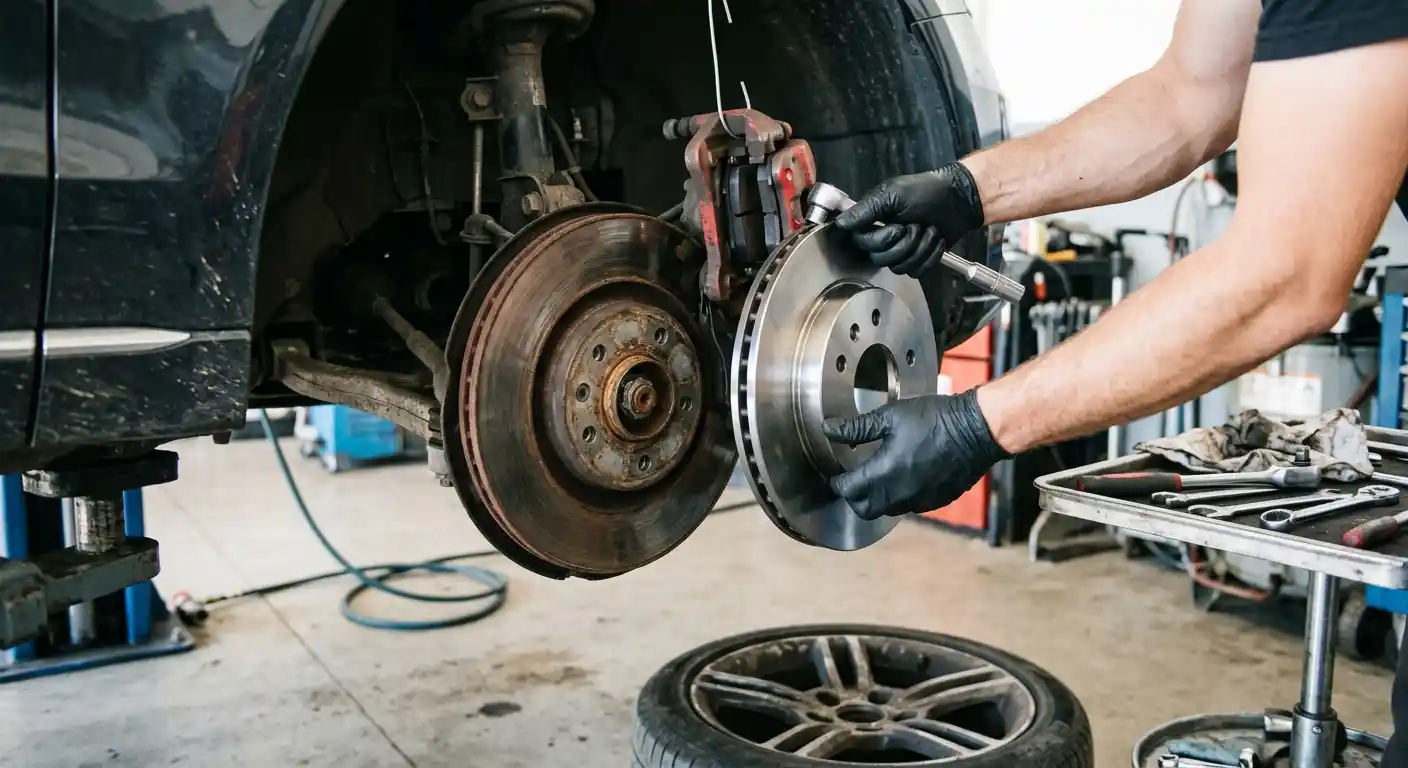
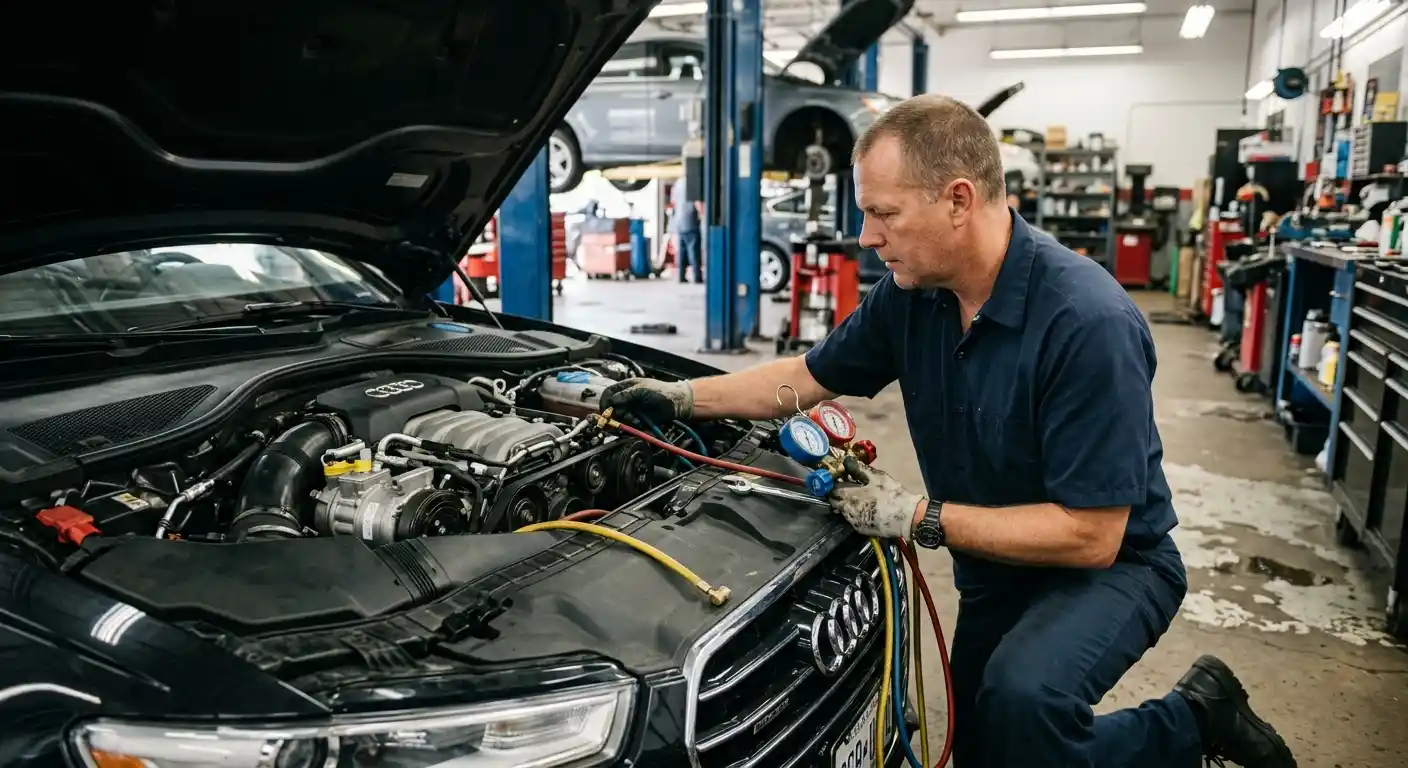
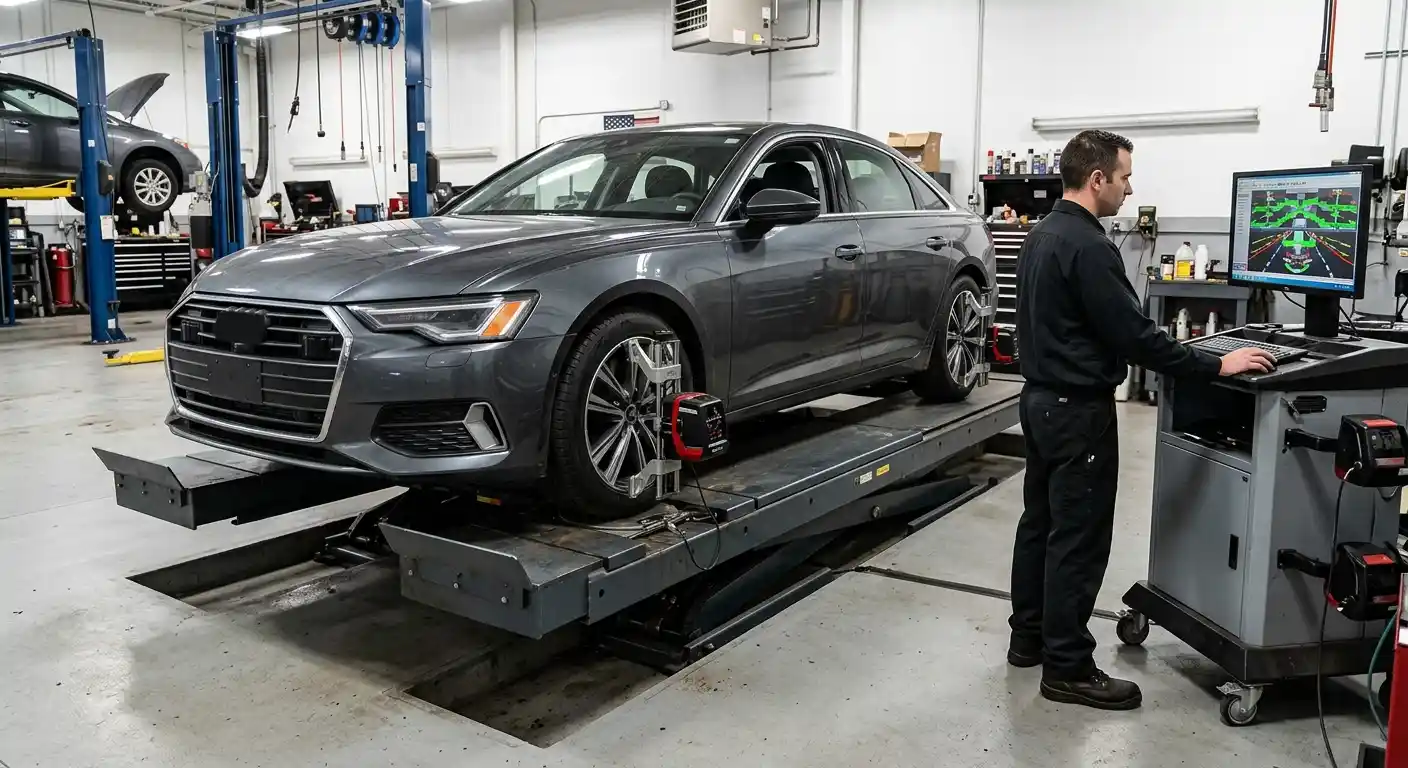
The Audi repair workshop in Al Quoz 4 covers engine, gearbox, AC, brakes, suspension, electrical, cooling, maintenance and inspection. Send the VIN before arrival so the model-specific scope can be checked.
The workshop address is 39 in Al Quoz 4, Dubai. Call or WhatsApp to discuss pickup, drop-off or recovery based on the vehicle condition.
Model size changes the context, not the diagnostic standard
An A3 and Q8 can display a similar warning but use different powertrains, brakes, suspension, tires, cooling layouts and access procedures. The model page gives the workshop route. The VIN and test results still determine the actual work.
| Audi model | Useful model context to confirm | Owner questions worth answering |
|---|---|---|
| A3 | Generation, sedan or hatchback where applicable, engine, front-wheel drive or quattro, gearbox code, suspension and installed driver-assistance equipment. | Does the symptom occur cold or hot? Has the battery, gearbox, cooling system or ignition recently been serviced? Do tire size and axle matching meet the vehicle specification? |
| A4 | Generation, sedan or Avant body where applicable, engine output, quattro system, transmission, standard or adaptive chassis and lighting package. | Is vibration related to engine speed or road speed? Are oil or coolant leaks visible above the undertray? Did warnings begin after suspension, alignment or battery work? |
| A5 | Coupe, Cabriolet or Sportback body, model generation, roof equipment where fitted, engine, gearbox, quattro and brake package. | Are water entry, window, roof or body concerns separate from powertrain symptoms? Does the car have approved wheels and the correct tire load and speed rating? |
| A6 | Generation, sedan or Avant, combustion or electrified powertrain, quattro, gearbox, suspension type, MMI and assistance systems. | Are several warnings linked to voltage? Does the suspension change height overnight? Is the service history detailed enough to confirm gearbox, brake-fluid and cooling work? |
| A7 | Sportback generation, engine, transmission, quattro, adaptive or air suspension, steering, brake and comfort-system specification. | Does the symptom appear under boost, during shifts, after a warm restart or over uneven roads? What diagnostic and maintenance evidence supports the seller or owner description? |
| A8 | Wheelbase and generation, engine or electrified system, drivetrain, ride-height control and rear-axle steering where fitted, brake package and high-level comfort options. | Are ride-height, battery-voltage, MMI, comfort and driver-assistance concerns related or separate? Which systems require calibration after chassis or body work? |
| Q3 | Generation, engine, gearbox, front-wheel drive or quattro, wheel size, suspension and body variant. | Are tire wear and ride symptoms caused by pressure, geometry or worn parts? Does the exact gearbox application have documented service history? |
| Q5 | Generation, combustion, mild-hybrid or plug-in configuration, gearbox, quattro system, suspension, towing history and wheel package. | Is cooling or electrical behavior affected by the electrified system? Are tires matched across the quattro drivetrain? Has underbody or impact damage been inspected? |
| Q7 | Generation, engine, gearbox, quattro, air or conventional suspension, third-row and comfort equipment, brake package and towing use. | Does the vehicle sit level after parking? Are braking and tire estimates based on measurements? Do cooling, gearbox and differential records match the exact vehicle? |
| Q8 | Powertrain, gearbox, quattro, ride-height hardware and rear-axle steering where fitted, wheel and brake specification, lighting and driver-assistance hardware. | Did the warning follow wheel, alignment, windshield or body work? Are high-cost recommendations supported by a full scan, measurements and model-specific tests? |
Confirm installed hardware before choosing parts or procedures
Powertrain identity
TFSI, TDI, mild-hybrid, plug-in hybrid and battery-electric vehicles require different fluids, safety processes and diagnostic routes. Even the same displacement can have different engine codes and revisions.
Gearbox application
S tronic, Tiptronic and other applications differ by code, clutch layout, fluid, filter, control system, service requirement and adaptation procedure. The model badge is not enough to order a gearbox service.
Drivetrain configuration
Different quattro systems use different couplings or differentials. Tire circumference, fluid requirements, control strategy and fault testing must match the installed system.
Suspension and steering
Conventional dampers, adaptive dampers, air suspension, level control and all-wheel steering need different checks. Ride height and calibration can affect driver-assistance and headlight systems.
Package and dimensions
Rotor size, calipers, pad sensors, wheel diameter, tire rating and approved combinations can change within a model family. Measure the car rather than copying a generic parts list.
MMI and assistance options
Cameras, radar, parking systems, matrix lighting, virtual cockpit, comfort modules and sound systems vary. Coding, software, component protection and calibration requirements should be confirmed before replacement.
Performance Audis need a specification check, not stronger marketing words
An S or RS badge can bring larger brakes, different cooling, sport differentials, adaptive suspension, unique wheels and tires, higher thermal loads and model-specific maintenance. Repairs should be scoped around the actual hardware and use, especially if the vehicle has modifications or track history.
Document performance hardware
- chassis number, build month and powertrain identifiers
- Brake caliper, rotor and pad specification
- Wheel size, tire model, rating, age and axle matching
- Adaptive damping, air suspension or sport differential
- Cooling-system layout and any auxiliary circuits
- Software, intake, exhaust, wheel or suspension modifications
Confirm safety and baseline condition
Do not use aggressive acceleration or high-speed testing to “see if the fault comes back” before tires, brakes, fluid levels, leaks and warnings are assessed. A controlled road test should match the complaint and remain within safe road conditions.
Modified vehicles need a clear separation between factory specification, installed parts and the calibration currently in the car. A fault cannot be diagnosed accurately when this history is hidden.
Use the model hub before a pre-purchase inspection
A used Audi should pass identity, body and safety, powertrain, chassis, electrical and first-year-cost checks. The exact model page helps identify the systems installed, but the inspection must test the individual car rather than a list of internet “common problems.”
Verify the exact specification
Confirm VIN, production date, engine, gearbox, market, options, wheel and brake package. Compare registration and seller claims with the car.
See the car before it is warmed
Cold-start behavior can reveal noise, smoke, rough idle, weak battery, leaks and delayed engagement that a warm five-minute viewing may hide.
Read every control module
Review current, stored and intermittent faults, readiness or reset evidence, mileage consistency and communication across all installed systems.
Inspect body, chassis and wear
Check structural repair, underbody, leaks, brakes, tires, suspension, steering, driveline and fluid condition. Photograph findings.
Test cold and fully warm
Assess engine load, gearbox shifts, braking, steering, vibration, suspension, AC and assistance functions in controlled conditions.
Price the first year
Separate overdue maintenance, measured wear, confirmed repairs and unproven risks. A low purchase price can disappear quickly.
Ask why the same symptom costs more on one model
Cost changes with access time, parts specification, the number of related components, coding, calibration, fluid quantity, required one-time hardware and the extent of damage. Larger brakes or air suspension can increase cost, but the estimate still needs measurements and diagnosis.
| Cost factor | What should be shown | Question for the owner |
|---|---|---|
| Exact parts route | Part number, brand, Audi Genuine, original-equipment supply, independent replacement, factory-remanufactured or previously used status, quantity and warranty. | Is this quote using the same quality and complete scope as the comparison quote? |
| Labor access | Components removed, special tools, alignment, bleeding, coding or adaptation required. | Does the cheaper quote omit a required procedure or one-time hardware? |
| Related damage | Photographs, measurements, leak paths, test values and components affected by the original failure. | What is proven now, and what can only be confirmed after disassembly? |
| Calibration | Steering, suspension, camera, radar, headlight or module setup required by the repair. | Is calibration included and will completion evidence be provided? |
| Completion checks | Final scan, road test, leak or pressure test, alignment results, adaptations and handover report. | How will the workshop prove that the original symptom is corrected? |
Parts that look similar may use different revisions and calibration
Audi models can share platforms, engines or control-system concepts across several body styles. That can help a technician understand system design, but it does not make parts automatically interchangeable. Production date, software, connector, sensor, brake, suspension and market differences can change compatibility.

Use current part information
A part number may be revised or replaced by a newer number. Confirm the VIN, installed number and any required accompanying hardware instead of ordering from a photo or model name.
Plan coding and protection
Used or replacement modules may need coding, parameterization, calibration or manufacturer-controlled component protection work. The physical fit does not prove the module can operate correctly.
Check complete specification
Gearboxes, differentials, steering racks, dampers, calipers and engines can have several variants. Compare codes, ratios, sensors, mounting, software and supporting systems.
Build topical depth around real owner decisions
The model hub should lead to pages that answer the commercial repair need, while supporting guides answer ownership questions. This prevents one page from trying to rank for repair booking, common problems, maintenance costs, used-car inspection and every warning at the same time.
| Content need | Best destination | Useful evidence |
|---|---|---|
| Book repair or service | Dedicated A3, A4, A5, A6, A7, A8, Q3, Q5, Q7 or Q8 repair page | Workshop scope, diagnostic process, supported systems, location, parts choices and conversion details. |
| Understand common problems | One complete model-specific supporting guide | Symptoms, generation and powertrain limits, urgency, diagnostic tests, misdiagnoses and repair priorities. |
| Plan maintenance cost | Model maintenance and budget guide where search demand supports it | VIN-specific schedule, measured wear, diagnosed repairs, parts route and realistic first-year planning. |
| Inspect a used Audi | Model buyer guide where useful | Cold start, full scan, lift inspection, road test, documents, body and safety checks, and catch-up budget. |
| Interpret a warning | Warning-light hub plus the relevant system page | Exact message, vehicle behavior, urgency, stored data and physical test route. |
New supporting pages should be created only when they answer a distinct search need. If a complete guide already exists, strengthen it and link it to the model page rather than publishing another overlapping article.
Audi model repair FAQs
Which Audi models does the workshop repair?
The site includes dedicated repair pages for Audi A1, A3, A4, A5, A6, A7, A8, Q2, Q3, Q5, Q7, Q8, TT, TTS, TT RS, R8, S3, S4, S5, S6, S7, S8, RS3, RS4, RS5, RS6, RS7, SQ5, SQ7, SQ8, RS Q3, RS Q8, Q4 e-tron, Q6 e-tron, Q8 e-tron, A6 e-tron, e-tron GT, A4 allroad and A6 allroad. For S, RS, TT, R8 and e-tron vehicles, send the VIN and required work so the specific scope can be confirmed.
Why is the VIN needed when I know the Audi model?
The same model name can cover different generations, engines, gearboxes, drivetrains, brakes, suspension and electronic equipment. The VIN helps identify the correct build before parts or procedures are selected.
Can the same repair price apply to every Audi model?
No. Labor access, parts, system configuration, related damage and calibration requirements vary. Compare estimates only after the diagnosed scope and parts route are clear.
Should I choose the model page or the problems hub?
Use the model page when you want vehicle-specific workshop coverage. Use the problems hub when the main question is a symptom, warning, leak, noise or driving concern.
Can I book an e-tron high-voltage repair from this page?
Contact the workshop first with the VIN and exact concern. High-voltage work requires model-specific safety procedures, equipment and confirmed workshop capability before booking.
Send the Audi VIN, model year and symptoms
The workshop can confirm the right page, inspection route and supported repair scope before the vehicle arrives.