
Audi A5 repair in Dubai
Warning lights, coolant loss, rough running, roof faults and gearbox hesitation need evidence before parts are approved. We identify the exact A5, reproduce the complaint and test the affected system so the repair scope fits the car in front of us.
Direct answer Audi A5 repair in Dubai should begin with the vehicle configuration and the condition that produces the complaint. Coupe, Sportback and Cabriolet versions can share systems, but body equipment, access, drainage, doors, glass and repair priorities are not identical.
Six details shape the repair
The A5 badge gives a model family, not a complete repair specification. Correct testing, fluids, parts and setup depend on what Audi fitted to the individual car.
Model year
Generation and build date narrow the engine, gearbox, electronics and component layout. An early and late car can need different test information even when the dashboard wording looks similar.
Engine code
Petrol and diesel applications do not share every timing drive, cooling assembly, emissions component or service item. The engine code is more useful than a broad capacity label.
Transmission
Manual, multitronic and S tronic applications require different fluid, clutch, control and internal-repair decisions. A hesitation complaint does not automatically prove mechatronic failure.
Drivetrain
Front-wheel-drive and quattro cars have different hardware and service considerations. Tyre size, circumference and driveline history can also affect the investigation.
Body style
Coupe, Sportback and Cabriolet bodies change access and the systems surrounding doors, glass, hatch or roof operation. Water ingress must be traced through the correct body layout.
Repair history
Recent battery, cooling, accident, roof or gearbox work can explain a new symptom. Previous codes and replaced parts help prevent the same unsuccessful repair from being repeated.
Match the symptom to the first checks
One driver complaint can begin in several systems. This map shows why the first named part or stored code should not become the repair without supporting evidence.
One A5 name, three body priorities
Powertrain diagnosis starts with the exact configuration. Body-related inspection starts with how the Coupe, Sportback or Cabriolet is constructed and used.
Long-door and glass checks
A Coupe complaint may involve window drop, door alignment, seals, lock operation, wind noise or water entry as well as the shared engine and chassis systems. The door, glass and seal must be checked together rather than adjusted in isolation.
Hatch and cabin access
The Sportback adds rear-door and hatch-related hardware to the A5 package. Water paths, powered-lid equipment where fitted, wiring through moving joints and cabin noise need inspection in the body configuration actually reported.
Roof sequence and drainage
A roof that pauses or reports a fault needs the stage of operation, switch and latch inputs, sensor information, mechanical movement and relevant hydraulic condition checked. Wet carpets also require a controlled water-path and drain inspection.
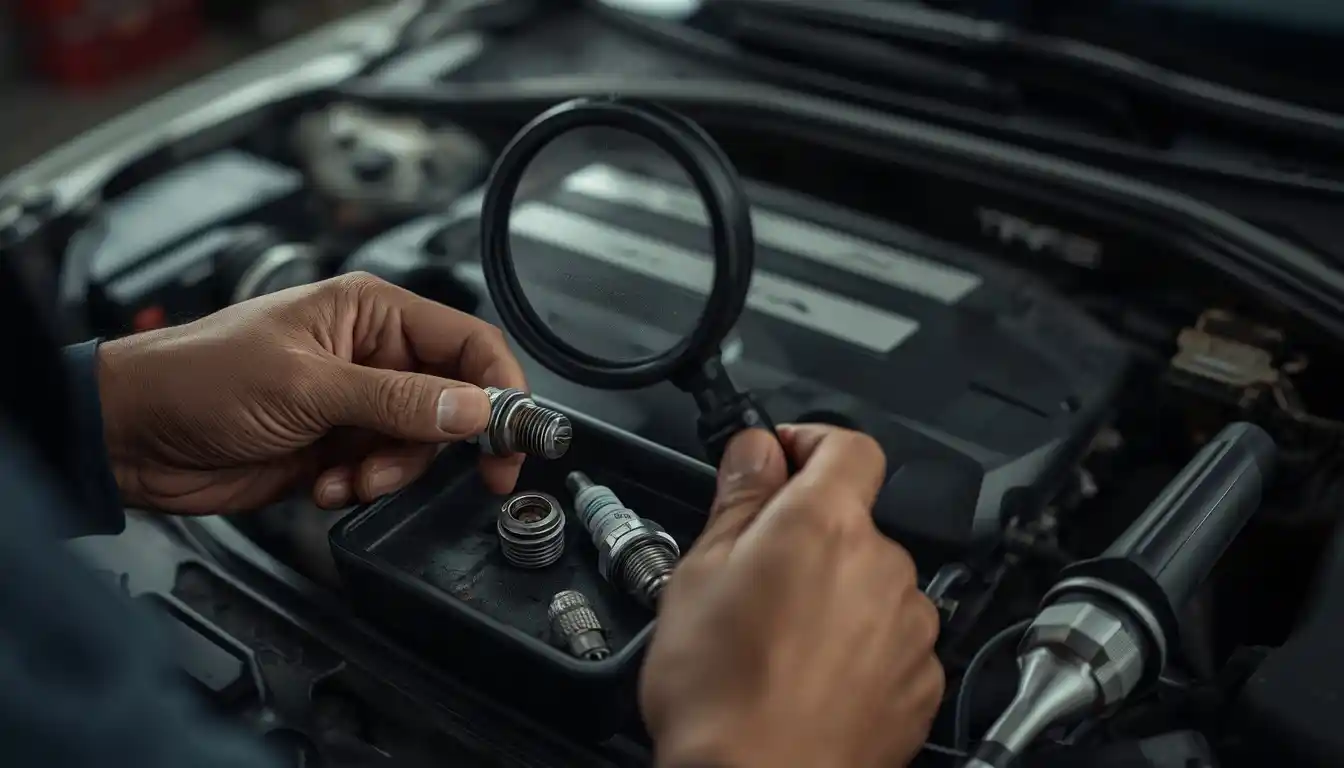
Inspect the system around the fault
Audi A5 repair should connect what the driver experiences with measurements from the affected system. A parts list without a confirmed cause can leave the original symptom unchanged.
Rough running can begin with ignition, air leakage, fuel delivery, boost control, electrical supply or mechanical condition. Coolant loss can come from several external paths or, less commonly, an internal problem. Gearbox hesitation can be influenced by engine torque delivery, mounts, clutch operation, control values, fluid condition or internal wear.
The same method applies to brakes, steering, suspension, air conditioning and electronics. We compare the reported condition with physical inspection and control-module data. When the evidence identifies a specialist system, this model page supplies A5 context while the dedicated service page explains the detailed repair route.
- Engine behaviour under the load and temperature that produce the fault
- Cooling-system pressure, circulation, temperature and fan operation
- Gearbox, clutch, mounts and driveline behaviour cold and warm
- Brake, tyre, wheel, steering and suspension interaction
- Battery condition, charging output and module communication
- AC pressure, vent temperature, airflow and compressor control
A5 systems need separate decisions
The correct route may be service, adjustment, external repair, component replacement or deeper mechanical work. Those scopes should not be grouped into one automatic package.
Engine and boost
Misfires, smoke, high oil use, hesitation and reduced power are investigated with the complete fault record and the conditions that reproduce the complaint. Live data, smoke testing, pressure checks, compression or leakage testing are selected from the evidence rather than applied as a generic package.
Cooling and leaks
An undertray can move fluid away from its source. Cold pressure testing, inspection around the pump and thermostat assemblies, hose and radiator checks, temperature behaviour and fan operation help separate leakage from circulation or control problems.
Gearbox and clutch
The installed transmission code and symptom matter. Delayed drive, shudder, flare or harsh shifts require engine, mount, clutch, electronic or hydraulic control and internal condition to be separated before a service or major gearbox repair is proposed.
Quattro and driveline
Where quattro is fitted, diagnosis can include differentials, coupling or transfer hardware, driveshafts, wheel-speed inputs and tyre circumference. Low voltage or communication faults can also create driveline warnings that look mechanical.
Brakes and chassis
Brake vibration, pulling, knocks and uneven tyre wear are checked across discs, pads, calipers, wheels, bearings, joints, bushes, dampers, steering and alignment. Measurements keep one worn part from hiding a second cause.
Electrical and AC
Low voltage can create several unrelated-looking warnings. Battery, charging, grounds, current draw and network communication are checked before a module is blamed. Weak AC needs pressure, temperature, airflow, leak and control evidence rather than an automatic refill.
From complaint to verified repair
A controlled sequence keeps diagnosis separate from assumption and makes the approved work easier to understand.
Identify the A5
Confirm VIN, year, engine, transmission, drivetrain, body style, equipment and useful service or repair history.
Capture the condition
Record the exact warning and when the symptom occurs. Reproduce it safely when practical instead of relying on a broad description.
Build the evidence
Scan relevant systems and add physical, electrical, pressure, temperature, leakage or road-test checks required by the fault path.
Define the cause
Separate the failed item from connected damage, supply faults and conditions that could make a replacement part fail again.
Approve the scope
Explain the repair route, compatible parts options, required fluids or setup and the work included before proceeding.
Verify the result
Check the repair under the relevant operating condition, review fault status and confirm that disturbed systems function correctly.
Service the exact A5
A useful maintenance plan is built from vehicle data and records. A universal list at a rounded mileage can repeat completed work or miss an item that applies to the fitted engine or transmission.
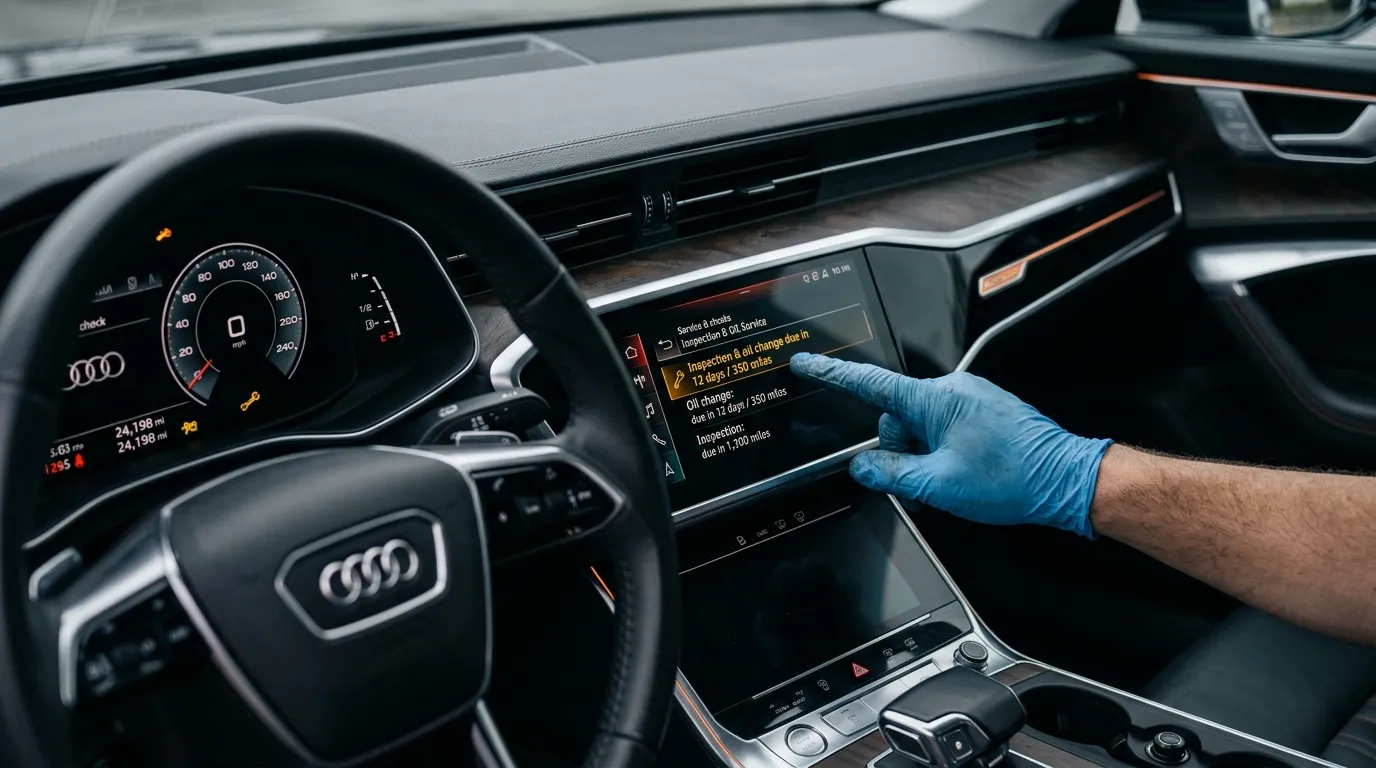
We start with model year, VIN, engine and gearbox identification, current mileage, time since previous work and available invoices or digital records. Dashboard service information is useful, but it does not describe every condition-led item. Tyres, brakes, battery health, leaks, suspension play and AC performance still need inspection.
Engine oil must meet the specification applicable to the car, not just a familiar viscosity. Gearbox service, spark plugs, filters, brake fluid and timing-drive requirements vary by configuration and applicable schedule. Some engines use different timing-drive arrangements, so no belt or chain interval should be assigned from the A5 name alone.
Know when not to continue
Not every warning requires recovery, but continuing with overheating, lost drive or unstable handling can turn a contained problem into wider damage.
Stop for temperature
Stop safely if temperature rises, a red cooling warning appears, steam is visible or coolant is escaping quickly. Do not open the cooling system while it is hot. Call and describe the warning.
Pause for lost drive
Do not keep forcing the car to move if the gearbox will not select drive, repeatedly disengages or produces severe mechanical noise. Further attempts can complicate the original fault.
Call for instability
A damaged tyre, wheel movement, sudden pull, heavy steering or severe chassis noise needs assessment before normal driving. Share clear photos when visible damage is present.

What changes A5 repair cost
A reliable quotation identifies the diagnosed fault and everything required to complete the installed repair. A price attached only to a symptom may compare entirely different jobs.
Cost changes with diagnostic access, exact vehicle specification, parts route, labour access, fluids and seals, required coding or adaptation, and any connected damage. An intermittent electrical or roof fault may need more evidence than a visible worn component. An overheating event may require checks beyond the first external leak.
Ask whether the quotation includes diagnosis, parts, labour, fluids, seals, VAT where applicable, setup and post-repair verification. Genuine, OEM-supplier, suitable aftermarket, remanufactured and verified used options are not interchangeable in every application. Compatibility and support must be clear before approval.
Move from model context to the affected system
This page owns general Audi A5 repair intent. Once testing identifies the affected system, the relevant specialist page explains that repair scope without turning this model page into a directory of every component.
Audi A5 repair FAQs
What should I send before booking Audi A5 repair?
Send the model year, mileage, body style, exact warning text and when the symptom appears. Include the VIN when parts or service specifications need confirmation. Photos or a short video can help with visible leakage, roof behaviour, noises or body damage, but they do not replace workshop testing.
Does an EPC or engine warning identify the failed part?
No. It identifies a system that requires investigation. The complete fault record, freeze-frame data, live values and physical tests help separate a failed component from wiring, voltage, air, fuel, boost or mechanical problems.
Why is my Audi A5 losing coolant?
Possible routes include the pump, thermostat housing, radiator, hoses, expansion tank, connection seals or an internal engine problem. A cold pressure test, residue, temperature behaviour and the actual leak path help define the repair. Never open a hot cooling system.
Does gearbox hesitation mean the mechatronic unit has failed?
Not automatically. Engine performance, mounts, clutch operation, control values, fluid condition where applicable, hydraulic control and internal gearbox condition can influence how the A5 engages or shifts. The installed transmission and cold-versus-warm behaviour must be established first.
Why does an A5 Cabriolet roof stop during operation?
A roof can pause because a latch, switch or position signal is incomplete, a mechanical movement is restricted, voltage is low or a relevant hydraulic component has a problem. The exact stage and stored event data guide inspection. Avoid repeatedly forcing the cycle.
Does every Audi A5 use the same maintenance schedule?
No. Requirements vary by generation, model year, engine, transmission, market specification, mileage, time and service history. The correct vehicle information and records should be checked before deciding what is due.
Can you quote A5 repair before inspection?
An initial range may be possible when the exact configuration and repair scope are known, but a symptom alone is not enough for a reliable final quotation. Diagnosis, access, connected damage, parts choice, availability and setup requirements all affect installed cost.
Can I drive my A5 with a warning light?
It depends on the warning and vehicle behaviour. Stop safely for overheating, loss of oil pressure, lost drive, severe noise, unstable handling or an instruction to stop. For other warnings, record the exact message and call with the symptoms before deciding whether to continue.
Send the year, body style and symptom
Call the workshop or send the VIN, mileage, exact warning and the condition that produces the problem. We will identify the useful first checks and arrange the appropriate Audi A5 inspection in Dubai.