
Audi Inspection Service and Multi-Point Vehicle Check
Understand the condition of an Audi you already own before approving maintenance or repair. The inspection connects physical checks, diagnostic evidence and your reported symptoms into a prioritised condition report.
What does an Audi inspection service check?
An Audi inspection service reviews the vehicle as a connected system. It can include visible fluid condition and leaks, engine-bay checks, tires, brakes, steering, suspension, underbody condition, battery health, warning messages and a diagnostic scan where relevant. Findings should be separated into urgent faults, planned work and items to monitor.
This page is for a condition check on a vehicle you already own. It is not a promise that every hidden component has been dismantled, and it is not a substitute for a dedicated appraisal where purchase history, paint depth, accident evidence and ownership risk are the main questions.
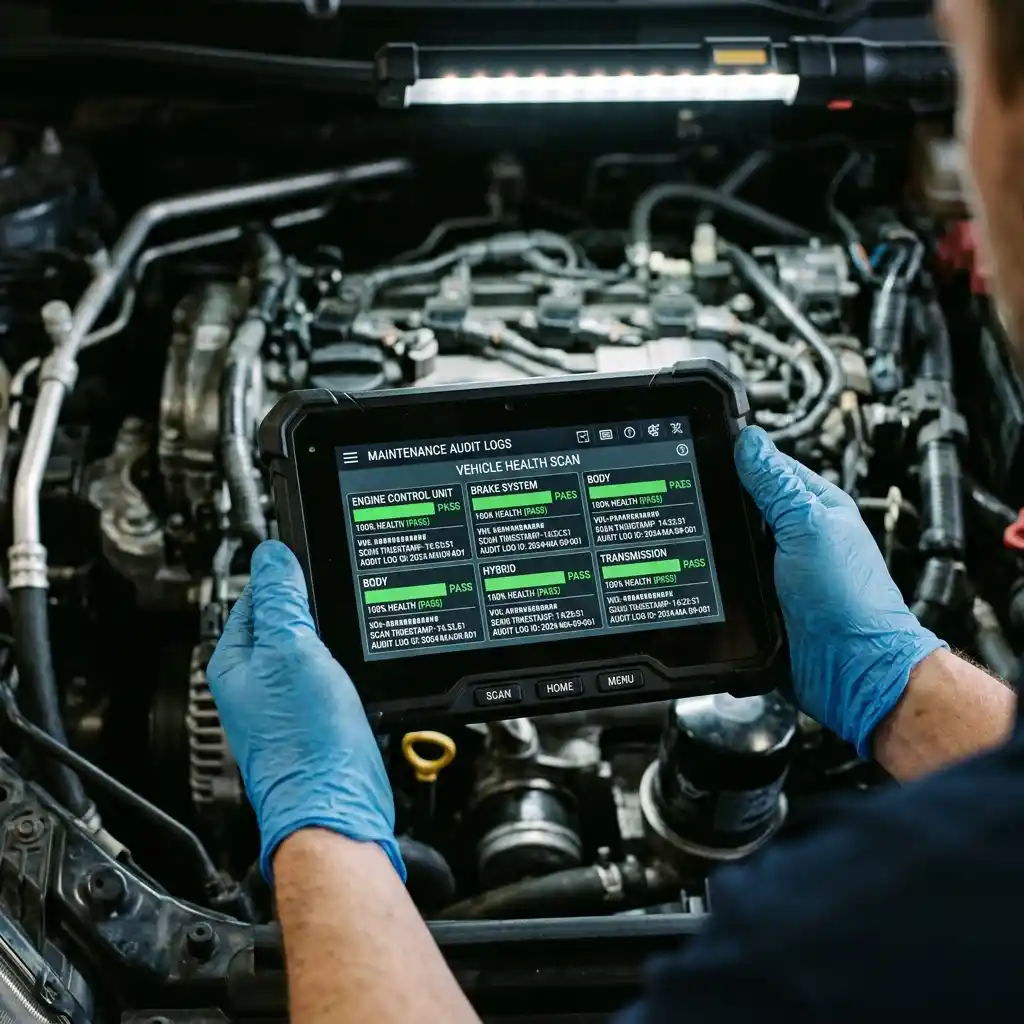
Audi systems checked according to condition and concern
The exact checklist depends on model, generation, engine, drivetrain, equipment and the reason for inspection. An older A4, a performance RS model and an e-tron should not receive an identical mechanical checklist.
Leaks, levels and operating evidence
Review visible oil and coolant loss, hoses, reservoirs, mounts, abnormal noise, smoke, temperature behaviour and relevant fault information. A clean engine bay does not by itself prove the absence of an active leak.
Warnings, voltage and stored events
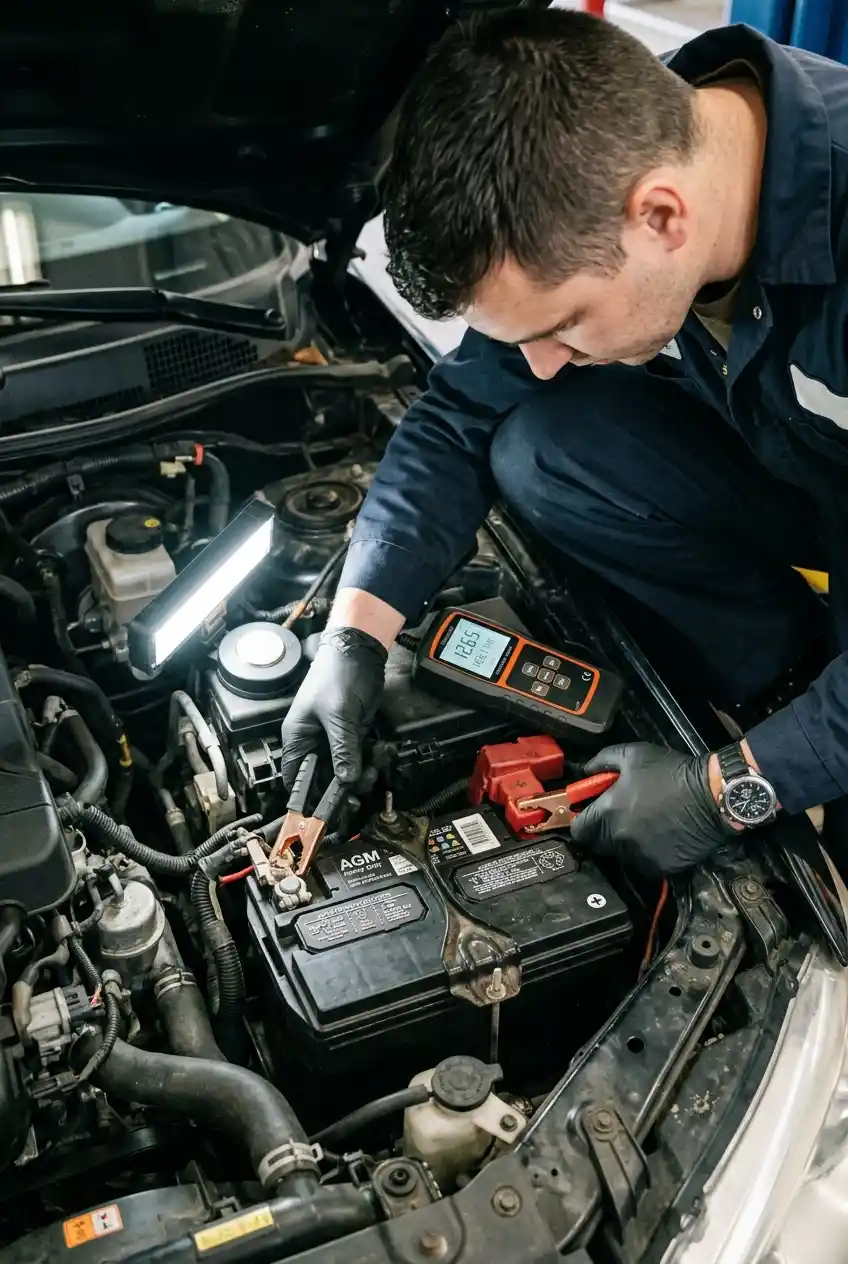
Record the exact dashboard message, assess 12-volt condition where relevant and scan affected controllers. Stored codes are clues; their status and event data matter more than code descriptions alone.
Wear, damage and safe operation
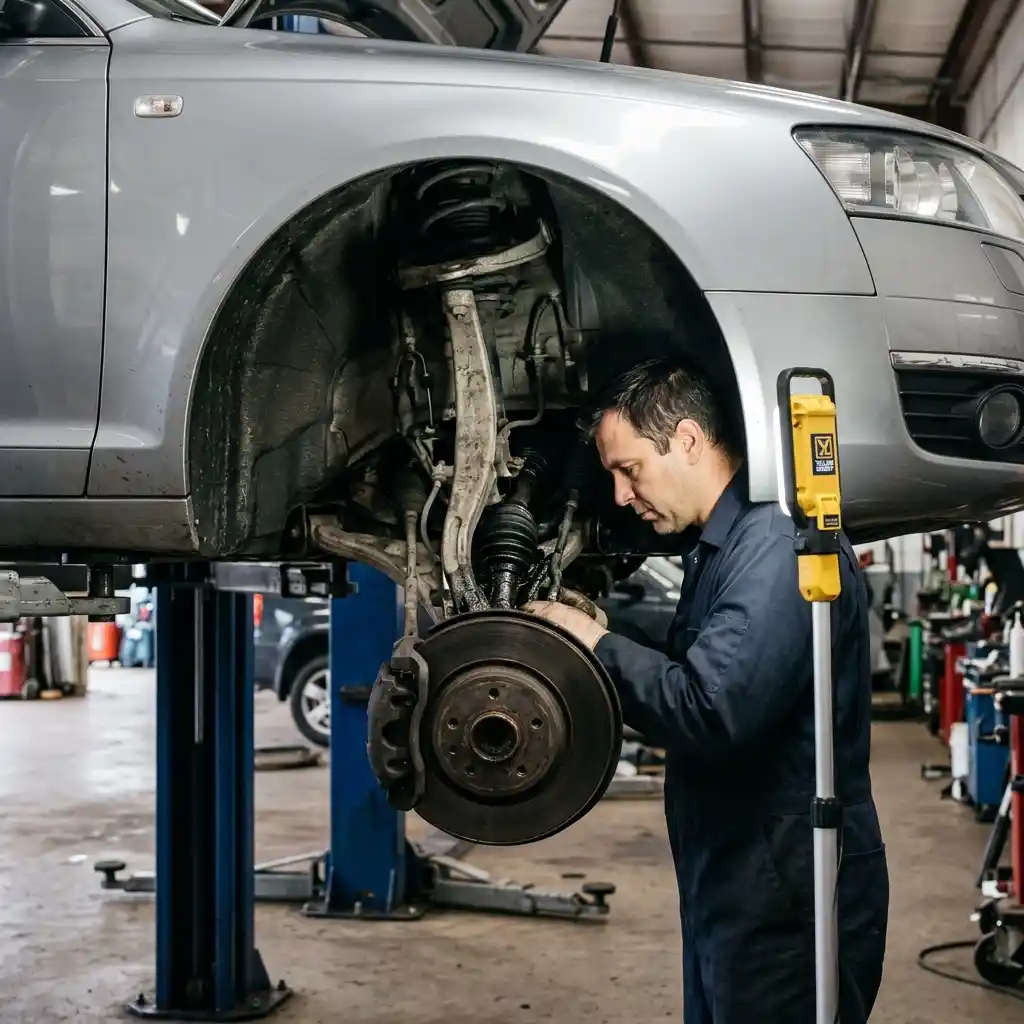
Check visible pad and disc condition, tire wear pattern, sidewalls, pressures, wheel damage and symptoms such as vibration, pulling or noise. Measured condition should guide the next step.
Play, leakage and ride concerns
Look for damaged bushes, joints, arms, dampers or air-suspension components, then relate the findings to knocking, uneven ride height, poor tracking or instability reported by the driver.
Seepage, impact and protective panels
Inspect accessible underbody areas for fluid traces, damaged covers, exhaust or drivetrain concerns and signs of contact. Removed covers or deeper testing may be required when evidence is concealed.
Controls, visibility and warning systems
Check relevant lighting, wipers, horn, seat belts, parking assistance, displays and owner-reported electrical faults. The scope is documented so optional features are not assumed.
Active overheating, low oil pressure, severe brake or steering concern, smoke, strong fuel smell, dangerous tire damage or a warning combined with unstable vehicle behaviour.
Confirmed wear, active leakage, deteriorated mounts, weak battery condition or a fault that should be repaired before it causes a breakdown or related damage.
Minor seepage, early wear or an intermittent symptom that is not yet proven. Record the evidence and define what change should trigger reassessment.
From driver concern to a usable repair plan
A long checklist is not useful if every item is treated as equally urgent. The process below turns observations into decisions.
Receive the evidence
Record model, VIN, mileage, service history, recent work, warning text and when each symptom occurs.
Establish condition
Perform visual and functional checks before cleaning, clearing codes or replacing parts that could erase evidence.
Measure what matters
Use scan data, voltage testing, leak checks or mechanical measurements only where the concern and access justify them.
Separate causes
Distinguish maintenance, normal wear, diagnosed repair and further testing so unrelated work is not bundled together.
Prioritise decisions
Explain safety, likely consequence, dependencies and the next verification step before work is approved.

Heat, traffic and storage change the inspection priorities
High ambient temperature, long idle periods, short urban trips, dusty intake conditions and vehicles stored for extended periods can influence battery reserve, cooling performance, tire condition, seals and fluid deterioration.
The inspection should still follow evidence rather than assuming every Dubai-driven Audi has the same problem. A battery test is useful when voltage history or starting behaviour points that way. Cooling-system pressure testing is useful when level loss, residue or overheating is present. Tire age and condition matter even where tread depth appears acceptable.
For scheduled work, use the Audi maintenance schedule as a separate reference. An inspection establishes present condition; it does not automatically replace time- and mileage-based maintenance.
Findings need context, not just red marks
A useful inspection report identifies what was checked, what was observed, how certain the finding is and what decision follows.
Evidence supports repair or immediate action.
The symptom exists, but the failed component is not yet proven.
No concerning evidence was found within the stated scope.
| Finding | Evidence | Decision |
|---|---|---|
| Coolant level falling | Residue near a joint or pressure loss during testing | Trace the exact source before approving hoses, pump or housing |
| Brake vibration | Road symptom plus disc, hub or suspension measurements | Repair the confirmed contributor, not every nearby component |
| Stored engine code | Status, freeze-frame data and live values | Follow the affected system with the Audi fault-code guide |
| Dashboard warning | Exact symbol, colour, message and vehicle behaviour | Use the Audi warning-light guide to judge urgency |
What a non-invasive inspection can and cannot prove
Usually within the condition check
- Visible and accessible components
- Functional operation of agreed systems
- Diagnostic fault memory where applicable
- Basic measurements linked to a symptom
- Priority and next-step recommendations
May require separate approval
- Removing extensive covers or interior trim
- Compression, leak-down or internal engine inspection
- Wheel alignment measurement or tire removal
- Long road testing or intermittent-fault logging
- Paint-depth, accident-history or purchase-risk appraisal
An inspection records condition at a point in time. It cannot guarantee the remaining life of every component, predict every intermittent electronic fault or replace dismantling where the evidence is hidden.
When a condition inspection adds more value than guesswork
After a warning, impact or repair
An inspection is useful when several symptoms appear together, a warning returns after parts were changed, the vehicle has contacted a curb or road debris, or work completed elsewhere needs an evidence-based second assessment. Bring the previous estimate and replaced-parts list so the same steps are not repeated without reason.
After a cooling, brake, suspension or electrical repair, verification should focus on the original complaint and any system disturbed during access. A cleared dashboard is not enough if the leak, vibration or voltage condition has not been reproduced and checked.
Before travel, storage or a maintenance decision
Before a long UAE journey, extended storage or a major maintenance visit, the check can establish a baseline for fluids, tires, brakes, battery reserve, visible leaks and active warnings. This helps separate work that is due by schedule from work that is required by measured condition.
If the car has been parked for months, advise the workshop before it is started repeatedly. Battery condition, tire pressure, fluid evidence and signs of animal or moisture damage may deserve inspection before normal road use.
Audi inspection service FAQs
Is an Audi inspection the same as a scheduled service?
No. A scheduled service follows time, mileage and vehicle-specific maintenance requirements. An inspection assesses present condition and reported concerns. One may identify work that the other does not include.
Does an inspection include a full diagnostic scan?
A diagnostic scan is appropriate when warning messages, symptoms or the agreed inspection scope justify it. A scan records controller information, but it does not replace physical checks or prove a failed part on its own.
Can you inspect an Audi before a long trip?
Yes. Provide the route, expected load, recent symptoms and service history. Brakes, tires, fluids, cooling, battery condition and active warnings can then receive appropriate attention.
Will the inspection find every oil or coolant leak?
It can identify visible residue and active leakage within accessible areas. Cleaned engines, hidden components and intermittent leaks may require dye, pressure testing, hot and cold observation or removal of covers.
What should I bring for the inspection?
Bring the VIN, mileage, service records, previous estimates, recent repair invoices and a clear description of each symptom. Photos or videos of intermittent warnings are useful when available.
Does a clean diagnostic scan mean the car is fault-free?
No. Mechanical wear, fluid leaks, tire damage and some intermittent concerns may not create a stored code. Diagnostic data must be combined with the physical inspection and road behaviour.
Can an inspection tell me whether a repair is urgent?
It should. The report should explain safety risk, likely consequence of delay, confidence in the diagnosis and whether repair, further testing or monitoring is the correct next step.
Book an Audi inspection service in Dubai
Send the model, year, mileage, warning message and the reason you want the vehicle checked.