Stop and switch off safely
Arrange inspection or recovery if the engine has:
- Red oil-pressure warning
- Rapid overheating or coolant loss
- Heavy knocking or grinding
- Dense smoke, fuel smell or fire risk
- Severe misfire with a flashing warning

Engine work should begin with evidence of the failed system and the extent of damage. Diagnose oil loss, overheating, timing, combustion, turbocharger and internal mechanical concerns before choosing a targeted repair, rebuild or replacement engine.
Audi engine repair can range from sealing an external oil leak or correcting a cooling fault to timing-system work, cylinder-head repair, turbocharger-related work or a full internal rebuild. A dashboard warning alone does not prove that the engine needs to be opened.
The first objective is to separate a control, ignition, fuel, air or sensor problem from mechanical damage. The second is to identify whether the fault is limited to an accessible component, affects the cylinder head or timing system, or extends to pistons, rings, bearings, crankshaft or cylinder walls.
That distinction protects the owner from both extremes: replacing a complete engine for a repairable external fault, or approving a partial repair when overheating, oil starvation or debris has damaged dependent parts.
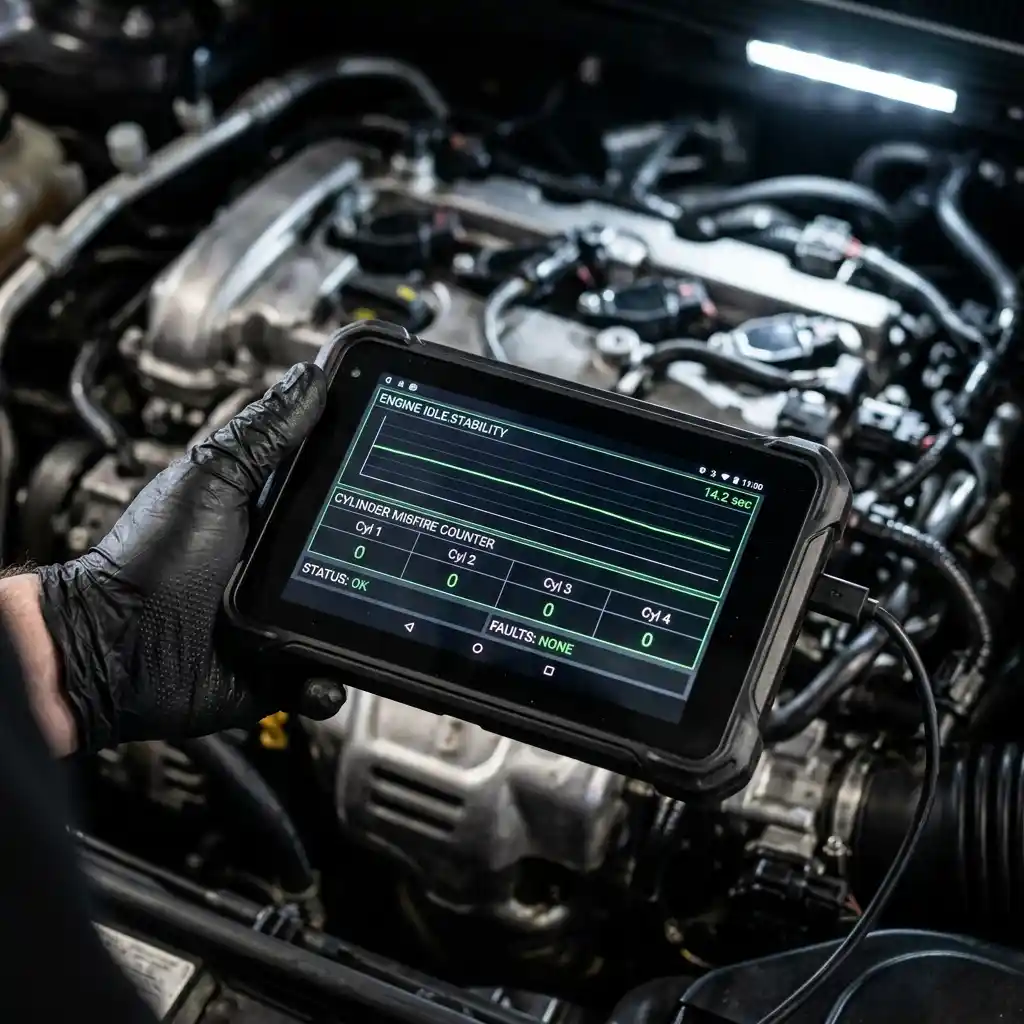
Severity depends on warning colour, sound, temperature, fluid pressure and vehicle behaviour. The safest response can change even when the dashboard wording looks similar.
Arrange inspection or recovery if the engine has:
A short controlled movement may be possible only when safe, but avoid load if there is:
Book assessment for:
No single test answers every engine question. Scan data may show where to begin, while mechanical measurements establish whether the engine can seal, lubricate, cool and breathe correctly.
VIN, engine code, mileage, oil use, overheating events, recent work and the conditions that trigger the symptom.
Fault status, freeze-frame information, misfire counts, mixture correction, temperature and timing values where relevant.
Cooling-system pressure, oil pressure and fuel delivery tests selected according to the concern.
Compare cranking compression and, where needed, leak-down paths across cylinders.
Inspect accessible piston crowns, cylinder walls or valve evidence without promising what a camera cannot prove.
Only after approval, dismantle and measure the components required to confirm repairability and parts scope.

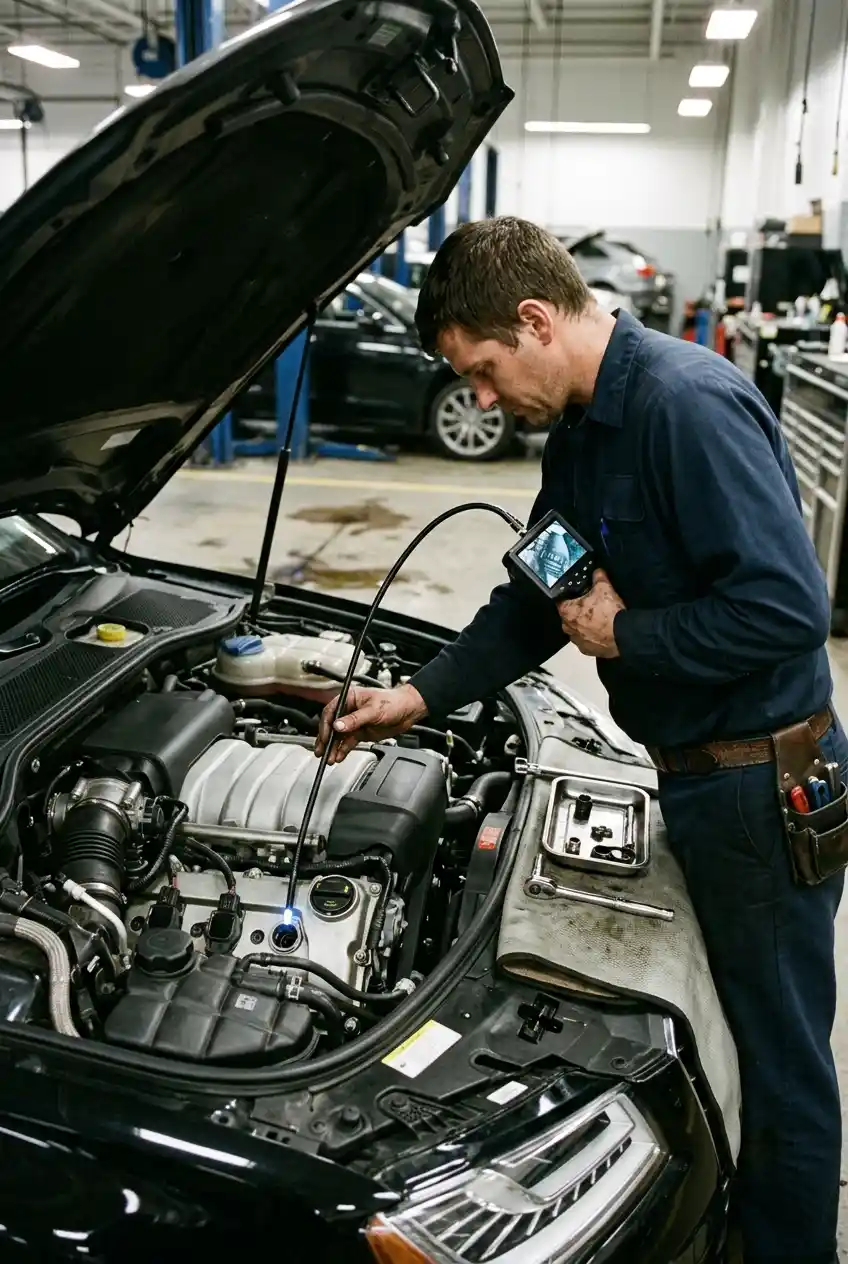
A scan code for a misfire does not prove an ignition coil. Low compression does not automatically prove piston-ring failure. Coolant loss does not automatically prove a head gasket. Each result must direct the next test and be compared with the other cylinders, systems and operating evidence.
Audi badges do not identify one engine. Model, generation, market, engine code, production changes, drivetrain and hybrid equipment can alter access, parts, testing and dependencies.
Diagnosis may involve oil consumption, crankcase ventilation, timing, cooling housings, ignition, direct injection, intake deposits, boost control or internal wear. The generation and engine code determine relevance.
Cooling circuits, charge-air systems, crankcase ventilation, timing, fuel delivery and access differ between applications. “3.0 Audi engine” is not a complete parts description.
S and RS engines can add cylinder deactivation, complex cooling, twin-turbo packaging, dry-sump or model-specific service access. Modifications and track use also matter.
Diesel injection and aftertreatment, 12- or 48-volt mild-hybrid hardware and region-specific engines need the actual VIN and equipment record. High-voltage work belongs under the correct safety process.
Valve-cover, timing-cover, sump, rear-seal, pump, thermostat, cooler, hose and housing concerns should be source-tested. Oil or coolant can travel and make the lowest wet point look like the cause.
Misfire and power loss can involve coils, plugs, injectors, low- or high-pressure fuel delivery, intake leaks, throttle control, turbocharger hardware or sensors. Mechanical health must be checked when evidence conflicts.
Chain, belt, tensioner, guide, adjuster, camshaft, valve, seal, gasket and head-surface work requires correct timing reference, inspection for contact damage and verification of oil and cooling causes.
Pistons, rings, bores, rods, bearings, crankshaft and block condition require dismantling and measurement. The cause of wear, overheating or oil starvation must be corrected along with the damaged parts.
The right choice balances confirmed damage, block and head condition, parts availability, machine-work requirements, engine identity, vehicle value, warranty terms from the selected parts source and the risk of unknown history.
| Route | Best suited when | Evidence required | Main risk to control |
|---|---|---|---|
| Targeted engine repair | The fault is localised to an external seal, cooling part, timing component, cylinder-head area, turbo or control system | Testing confirms the wider engine remains serviceable | Missing dependent damage caused by heat, debris or low oil pressure |
| Partial internal repair | Damage is limited and the reusable components measure within acceptable condition | Teardown, dimensional checks and cause analysis | Combining new parts with worn surfaces that shorten repair life |
| Full rebuild | The original engine is rebuildable and comprehensive internal renewal is justified | Block, crankshaft, head, bore and component measurements | Unclear machining, parts quality or assembly specifications |
| Replacement engine | The original unit is uneconomical or unsuitable to rebuild, or a verified replacement offers a better route | Correct engine code, donor history, condition tests and compatibility | Buying an unknown used engine with the same hidden defect |
Agree the initial dismantling scope, evidence to record and the decision point before major parts are ordered.
Inspect head, block, bores, crankshaft, pistons, bearings, oil system and timing components as relevant.
Identify overheating, lubrication, contamination, timing, fueling or external-system causes that would damage the rebuild again.
Separate required parts, machining, reusable components, dependencies and optional preventive work.
Follow correct assembly, fluid filling, oil-pressure priming, first-start checks, leak checks and post-repair data review.

A fixed price without engine identification or diagnosis can hide major exclusions. Cost and duration depend on what is proven, what must be dismantled to confirm it and which parts can be reused safely.
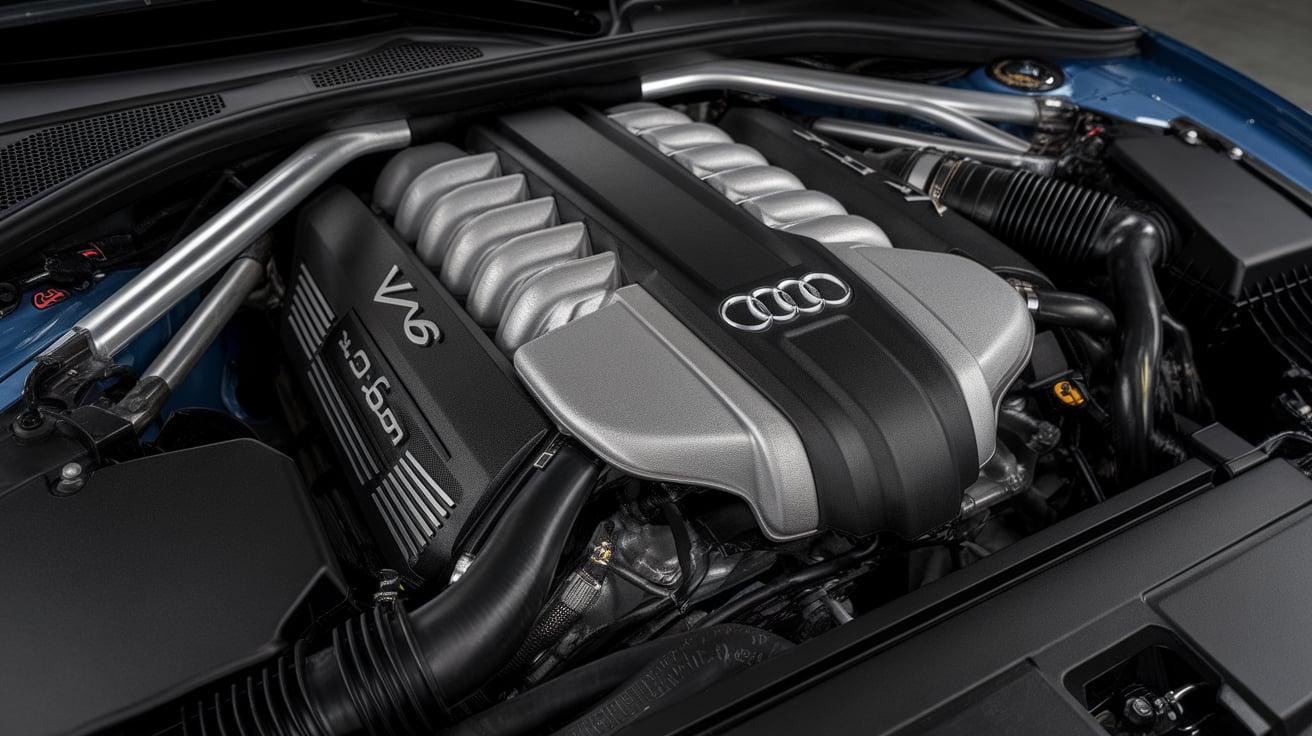
Diagnosis, teardown, parts, machining, labour, fluids, programming or setup, outsourced work, exclusions and the verification included after assembly.
A rebuilt or extensively repaired engine must be verified against the original failure, the systems opened during access and the risks created by the first start. A quiet idle for a few minutes is not a complete handover test.
Where an engine failed through debris, oil starvation or overheating, connected systems need proportionate checks. Oil coolers, lines, strainers, turbocharger supply, intercooler or charge pipes, radiator circuits and contaminated hoses can carry evidence or material into the repaired engine. The required scope depends on the actual failure, not on a generic rebuild package.
The handover should explain any running-in instructions, fluid recheck, follow-up inspection and limits on load. It should also identify any unrelated existing faults that were not included. This protects the owner from assuming that major engine work has automatically renewed every surrounding system.
This page owns corrective engine repair, rebuild and replacement decisions. Warning interpretation, routine oil service and individual leak or timing services have separate pages so each owner reaches the correct level of detail.
No. These warnings can come from throttle control, ignition, fuel, air, sensors, wiring or mechanical problems. Diagnostic and mechanical evidence must show the failed system and damage level.
Compare confirmed damage, block and head repairability, parts and machine-work requirements, engine compatibility, replacement-engine history and total risk. A used engine should not be treated as proven solely because it runs.
Sometimes, but the degree and duration of overheating matter. Pressure tests, cylinder sealing, head and block condition, oil contamination and cooling-system cause must be assessed before the repair scope is approved.
It depends on measurements. A proper build list may include cleaning, inspection, machining, bearings, rings, seals, gaskets, timing components and repairs to the root cause. The estimate should state exactly what is included and reused.
It depends on where pressure is lost. A valve, timing or cylinder-head problem may have a different repair route from worn rings, damaged pistons or scored bores. Compression and leak-down results should be interpreted together.
The same Audi model can use different engines across generation, production date and market. The engine code affects parts, timing references, test values, service access and replacement compatibility.
Not automatically. It should be inspected when debris, oil starvation, excessive oil, boost faults or related damage could affect it. The oil supply, drain, charge-air path and intercooler also need appropriate checks.
Time depends on diagnosis, access, teardown approval, parts availability, machine work and the extent of damage. A date should be estimated only after the repair path and dependencies are known.
Ask for fault findings, measurements, images where useful, the confirmed cause, repair alternatives, parts and machining scope, exclusions, dependent work and the post-repair verification plan.
Send the model, year, mileage, engine warning, fluid loss, smoke colour, noise and recent repair history.