
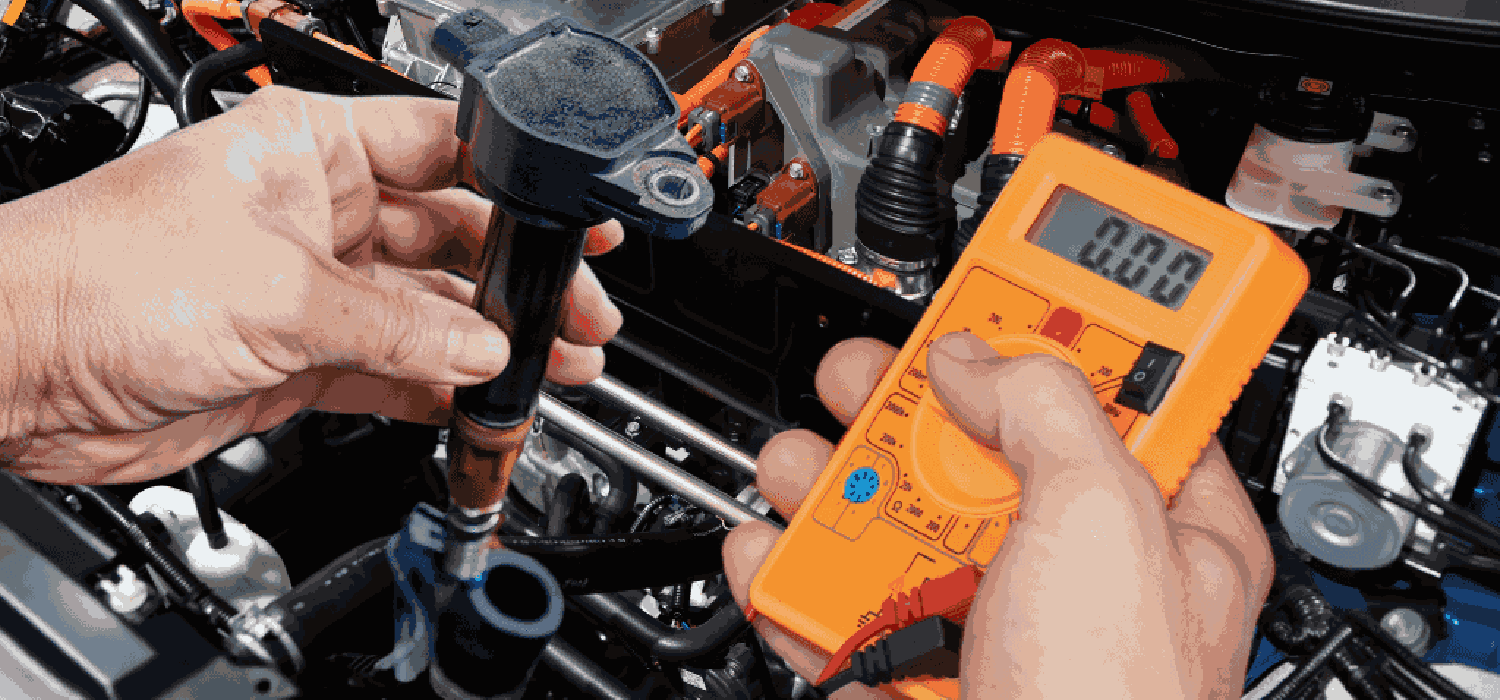
Audi Won’t Start in Dubai
When an Audi won’t start, the first useful question is what happens after the start request: no response, a click, slow cranking, normal cranking without firing, a brief start and stall, or no READY state on an electrified model. We preserve that evidence, test the failed path, and replace only the confirmed battery, starter, authorization, fuel, ignition, control, or mechanical component.
Describe the start state before naming the failed part
“Not starting” covers several different failures. A vehicle that stays silent has not reached the same diagnostic stage as an engine that cranks at normal speed but never fires. A single click can point toward current delivery or a starter path, while rapid clicking often occurs when voltage collapses. Cranking followed by a brief start and stall brings authorization, fuel, airflow, and control behavior into focus.
Before jump-starting, disconnecting the battery, clearing warnings, replacing a key battery, or making many attempts, record the exact cluster message and sound. Note whether lights are bright, whether the brake pedal is recognized, whether the selector shows Park or Neutral, whether the steering lock releases, and whether a recent service, battery discharge, fuel stop, wash, repair, impact, or key problem occurred.
A no-start can have more than one layer. A discharged battery may be the immediate reason the starter will not turn, while a parasitic draw, charging fault, aged battery, open circuit, repeated short journeys, or module staying awake caused the discharge. The diagnosis should explain both the event and the underlying condition.
Silent, click, rapid clicks, slow crank, normal crank, uneven crank.
Exact cluster wording, warning symbol, key or selector status.
Cold, hot, after parking, after refueling, intermittent, or sudden.
Battery age, recent work, water exposure, impact, fuel level, modification.
Four branches narrow the diagnostic path quickly
When an Audi won’t start, these branches establish which electrical, authorization, engine, or high-voltage functions should be tested next. They are routing clues, not final diagnoses.
No crank or no response
Check whether the start request is recognized, the brake or clutch input is plausible, Park or Neutral is confirmed, the key is authorized, battery voltage and connections support the request, fuses and relays are intact, and the starter-control path reaches the motor.
Click or slow cranking
Test battery state and load performance, voltage drop across positive and ground paths, cable and terminal condition, starter current behavior, engine mechanical freedom, and whether another component is creating abnormal resistance.
Normal cranking, no firing
Verify engine speed signal, authorization, fuel quantity and pressure, ignition or combustion command, injector control, airflow plausibility, timing relationship, compression, relevant fuses and power supplies, and fault-event data.
Starts then stalls or no READY state
Examine key authorization, power-supply stability, fuel pressure retention, throttle and airflow control, immobilizer behavior, network communication, crash or safety states, hybrid system interlocks, and exact warning messages.
What a start attempt suggests and what can imitate it
| Observed behavior | Likely test area | Important alternatives | Evidence to capture |
|---|---|---|---|
| Completely silent | Start request, key authorization, brake or clutch input, selector state, power supply, relay, fuse, wiring, starter command. | Flat battery, disconnected terminal, locked control state, network fault, damaged wiring, or mechanical switch input. |
One request Cluster message, interior light behavior, gear display, key used, click location, and scan communication. |
| One solid click | Starter solenoid command, high-current cable, ground path, battery under load, starter motor, engine rotation. | Loose connection, seized accessory, internal engine resistance, damaged ring gear, or relay and command issue. |
Voltage drop Battery voltage at rest and under request plus loss across positive and ground paths. |
| Rapid clicking | Battery capacity, state of charge, connection resistance, ground, and voltage stability. | Relay cycling, module reset, terminal movement, cable damage, or an incompatible jump source. |
Collapse pattern Measure voltage during the attempt and inspect terminals rather than assuming the battery alone is faulty. |
| Slow or uneven cranking | Battery, cables, starter current, temperature, oil condition, mechanical drag, compression pattern. | Seized accessory, coolant or fuel in a cylinder, timing damage, internal engine problem, or starter wear. |
Stop if uneven Record the sound and avoid repeated attempts if cranking suddenly changes rhythm. |
| Normal crank, no start | Engine-speed signal, fuel pressure, injector and ignition control, authorization, timing, compression, airflow, controller power. | Empty or incorrect fuel, contaminated fuel, flooded engine, sensor plausibility, fuse, wiring, or control-unit fault. |
Crank data Fault context and live values during the request are more useful than codes cleared afterward. |
| Starts then stalls | Immobilizer, fuel-pressure retention, airflow and throttle control, power-supply stability, network and controller state. | Key fault, low fuel, intake leak, contaminated sensor, anti-theft event, or recently disturbed component. |
Run duration Exact seconds, throttle response, message, warning lamp, sound, smell, and whether another key changes the result. |
Collect useful evidence without creating a second fault
Stay clear of traffic, heat, moving parts, fuel, exposed wiring, and high-voltage components. If the vehicle is in an unsafe location, recovery is the priority.
Low-risk observations
- Confirm there is enough fuel and note when it was last refueled.
- Read and photograph the exact cluster message before it disappears.
- Confirm Park or Neutral and press the brake pedal firmly as normally required.
- Try the known spare key if available and undamaged.
- Observe whether lights dim, the starter clicks, the engine cranks, or the READY indicator appears.
- Look for obvious coolant or fuel leakage, smoke, burning smell, impact damage, or a loose battery terminal without touching unsafe components.
Do not keep attempting
- Fuel smell, visible leak, smoke, sparks, or a hot electrical odor
- Heavy mechanical knock, sudden uneven cranking, or evidence the engine is locked
- Recent overheating, coolant loss, timing noise, water ingestion, flood exposure, or collision
- Damaged high-voltage cable, battery enclosure, charging equipment, or hybrid warning
- Vehicle positioned where rolling, traffic, heat, or poor visibility creates danger
- Repeated jump-start failure or cables becoming hot
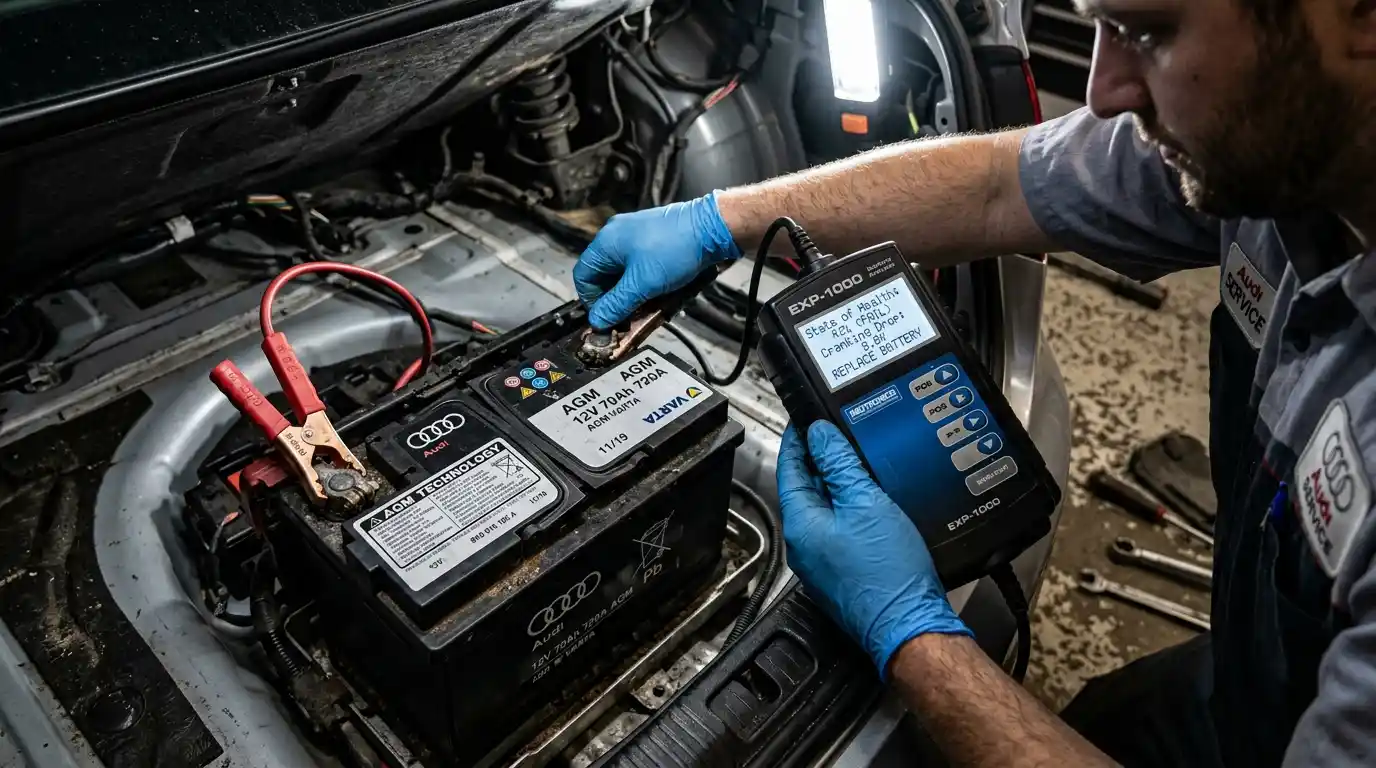
A jump result is evidence, not a complete diagnosis
When an Audi won’t start with a no-crank condition, a weak 12-volt battery is common, but poor terminal contact, excessive voltage drop, a damaged ground, starter-control fault, failed starter, selector or pedal input problem, key authorization issue, or mechanically locked engine can also be responsible. A battery can show plausible open-circuit voltage and still collapse under load.
When external support allows the engine to crank, that indicates the original supply could not support the attempt under those conditions. It does not explain why. The battery may be discharged rather than failed, and the charging system or parasitic draw may be the true cause. Incorrect connection or an unsuitable jump source can damage electronics, create sparks, or expose the technician to battery hazards.
Measure voltage, state of charge, load response, battery type, age or history, temperature, and physical condition.
Measure voltage loss across terminals, cables, distribution points, fuses, relays, and starter connection during the request.
Check battery, body, engine, and gearbox ground connections under load rather than relying only on visual appearance.
Compare command, current, voltage, solenoid action, motor rotation, and engine mechanical resistance.
If the engine runs, test charging behavior and investigate why the battery lost charge or capacity.
Test the start chain from request to combustion
When an Audi won’t start, the sequence changes with the observed branch, but the goal is to identify the first required function that fails. Preserving faults and event data before power is disconnected is important because low voltage can create secondary communication warnings that should not be mistaken for the cause.
Record the exact start state, cluster message, key, fuel level, environmental condition, and recent history.
Check 12-volt battery condition, terminals, grounds, supply voltage, communication, and whether testing support is needed.
Read relevant controllers, fault status, event details, immobilizer and authorization information, voltage events, and network communication.
Test start request and starter circuit for no-crank, or engine speed, fuel, ignition, timing, compression, and authorization for crank-no-start.
Use voltage drop, current, pressure, signal, mechanical, wiring, or substitution evidence appropriate to the suspected cause.
Complete the approved repair, clear relevant faults appropriately, verify cold and hot starting, check charging, and repeat the original timing or load condition.
Cranking, authorization, and combustion form one start chain
The engine starts only when electrical power, permission, mechanical rotation, timing, air, fuel, ignition or combustion conditions, and control signals occur in the required sequence.
Power and cranking
- 12-volt battery and energy management
- Terminals, cables, grounds, distribution, fuses, and relays
- Brake or clutch input and selector position
- Starter command, solenoid, motor, and ring gear
- Engine and accessory mechanical freedom
- Charging system after the engine runs
Authorization and control
- Key transponder, remote, reader, antennas, and start button
- Immobilizer and component authorization
- Steering lock and selector status where applicable
- Controller power, grounds, network communication, and software state
- Crash, security, or safety interlocks
- Aftermarket alarm, tracker, remote-start, or wiring modifications
Combustion and timing
- Engine-speed and position signals
- Low and high fuel pressure, quality, and injector control
- Ignition command and spark on petrol engines
- Airflow, throttle, intake sealing, and sensor plausibility
- Camshaft and crankshaft timing relationship
- Compression, internal engine condition, and exhaust restriction
For confirmed key or authorization concerns, see our Audi key programming service. A new key is not the default answer when the battery, reader, antenna, steering lock, wiring, controller, or start input has failed.
Petrol, diesel, hybrid, and e-tron start differently
Ignition, fuel, airflow, and timing
Crank-no-start diagnosis can include spark, coil supply, low and high fuel pressure, injector command, engine-speed sensors, throttle and airflow, mixture, timing relationship, compression, and flooded or contaminated conditions.
Cranking speed, pressure, and temperature
Battery and starter performance, rail-pressure generation, fuel quality and supply, injector control, crank and cam signals, compression, glow strategy in applicable conditions, timing, and aftertreatment restrictions may matter.
More than a conventional starter path
A 12-volt supply issue can prevent system initialization even when a high-voltage battery contains energy. Interlocks, isolation, charging state, network communication, safety events, hybrid control, and model-specific start architecture require trained handling.
No READY state is the key symptom
An EV does not crank an engine. Diagnosis focuses on 12-volt supply, key and start request, selector and brake inputs, charging state, high-voltage interlocks, isolation monitoring, contactor control, thermal or crash states, controllers, and the exact warning message.
The car must start under the condition that caused the failure
A single successful start in the workshop is not enough when the original fault was intermittent, heat-related, cold-related, or appeared after several hours of parking. Verification is designed around the timeline: cold soak, hot soak, repeated key cycles, charging event, fuel stop, rain or wash exposure, selector movement, or another reproducible condition.
After a battery repair, we assess charging and the reason for discharge. After starter work, cranking speed, voltage drop, current behavior, sound, heat protection, wiring, and repeated hot starts may matter. After fuel, ignition, sensor, timing, or authorization work, fault return, live values, idle, restart, and road behavior are checked.
- Reliable start or READY state with the normal key and start procedure
- Stable 12-volt supply and no excessive positive or ground-path loss
- Normal cranking speed and sound where an engine starter is used
- No fuel, coolant, oil, wiring, or intake leak created during repair
- No returning relevant authorization, engine, gearbox, network, or voltage fault
- Cold, hot, and parked restart checks matched to the original complaint
- Charging or discharge cause addressed when a flat battery triggered the event
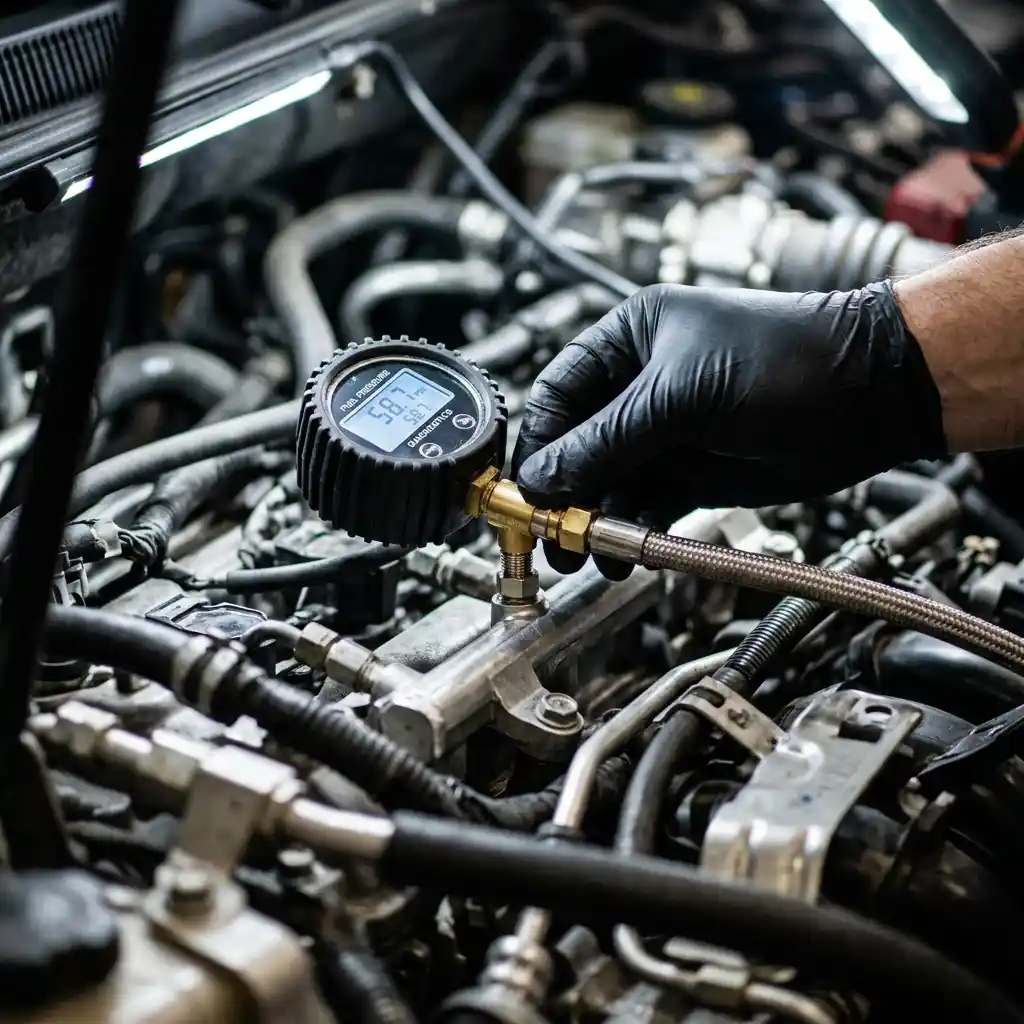
What changes the diagnostic and repair scope
Because an Audi won’t start for many different reasons, the quotation must follow the failed branch rather than a generic no-start price.
- No-crank, slow-crank, crank-no-start, start-stall, or no-READY branch
- Vehicle location, access, recovery needs, and whether the fault is currently present
- Battery, cables, starter, key, authorization, wiring, fuel, ignition, sensor, timing, or engine evidence
- Intermittent condition, cold or hot soak, water exposure, low voltage, and recent work
- Parts access, programming, coding, adaptation, component protection, and verification needs
- Petrol, diesel, mild-hybrid, plug-in-hybrid, or electric architecture
- Damage caused by repeated attempts, incorrect jump-starting, contamination, overheating, or mechanical failure
A final price cannot be responsible before the failed branch and component are confirmed. The initial inspection and exact repair are quoted separately when the cause is not yet known.
Help us choose workshop visit or recovery
- VIN, model year, mileage, and current location
- Exact cluster message and warning lights
- A short video with sound of one start attempt
- Whether it is silent, clicks, cranks slowly, cranks normally, stalls, or shows no READY state
- Fuel level and last refueling
- Battery age or recent discharge and jump-start history
- Whether the issue is cold, hot, intermittent, or after parking
- Recent service, repair, key work, wash, impact, flood exposure, overheating, or modification
Do not send another start video if fuel is leaking, smoke is present, the engine knocks, cables become hot, or the vehicle is in a dangerous location. Call and arrange safe recovery.
Audi won’t-start FAQs
Why does my Audi click but not start?
A click can mean the starter solenoid is being commanded but the high-current path, battery, ground, starter motor, or engine rotation cannot support cranking. Rapid clicking often follows voltage collapse. Measure battery performance and voltage drop during the request instead of replacing the starter or battery from sound alone.
Why does the engine crank normally but not start?
Normal cranking shifts attention toward authorization, engine-speed and position signals, fuel quantity and pressure, injector control, ignition on petrol engines, airflow and throttle, timing, compression, controller power, and wiring. Fault context and live data during cranking help identify the first missing requirement.
Can I jump-start an Audi safely?
Only use the correct connection points, sequence, equipment, and vehicle-specific guidance. Incorrect polarity, unsuitable voltage, poor clamps, sparks near a battery, or disconnecting support while systems are active can cause injury or electronic damage. A successful jump does not prove the battery itself is the root cause.
Could the key cause my Audi not to start?
Yes. A transponder, reader, antenna, keyless-access system, steering-lock state, immobilizer, start button, or authorization fault can block starting. A weak remote battery is not the same as a failed transponder. Try a known spare key if safe, record the message, and diagnose before programming a replacement.
Can a flat battery create many warning lights?
Yes. Low or unstable voltage can interrupt communication and cause several controllers to record faults during a failed start. Those warnings must be sorted by timestamp, voltage, status, and whether they return after supply stability is restored. Multiple codes do not automatically mean multiple failed modules.
Why does my Audi start when cold but not when hot?
A heat-related no-start can involve starter resistance, battery or cable performance, crank or cam sensors, fuel-pressure retention, injectors, vapor or mixture behavior, wiring, relays, control units, or mechanical condition. Testing must reproduce the hot-soak interval instead of approving parts from a cold workshop start.
Why does my Audi start and then stall?
Possible causes include immobilizer or authorization behavior, unstable power supply, fuel pressure loss, airflow or throttle-control faults, intake leaks, controller communication, incorrect fuel, or recently disturbed components. The exact run duration, warning message, throttle response, and scan data narrow the path.
How long does no-start diagnosis take?
Time depends on the observed branch, whether the fault is present, access to the vehicle, battery condition, scan communication, intermittent timing, required cold or hot soak, wiring access, pressure or mechanical testing, parts availability, programming, and post-repair verification. Diagnosis and repair time are confirmed separately.
Should I drive in after the Audi starts again?
An intermittent recovery does not prove the vehicle is reliable. If there was fuel smell, smoke, overheating, severe noise, unstable steering, damaged wiring, or repeated stalling, arrange recovery. Otherwise call with the evidence before driving, avoid unnecessary shutdowns, and follow vehicle-specific guidance.
What should I send for a no-start assessment?
Send the VIN, mileage, location, exact warning text, one clear start-attempt video, fuel level, battery and jump history, whether the fault is cold or hot, and any recent service, refueling, key work, wash, impact, overheating, flood exposure, or modification. Do not repeat attempts when a safety warning applies.
Get Audi no-start help in Dubai
Send the VIN, exact warning, location, and one start-attempt video with sound. We will advise whether the evidence supports a workshop booking or recovery to Al Quoz 4 before more attempts are made.