
Audi Q3 repair and service in Dubai
A warning light, coolant loss, rough running or gearbox hesitation does not identify the failed part. We confirm the Q3 generation, engine, transmission, drivetrain and fitted equipment, then test the affected system before repair work is approved.
Direct answer Audi Q3 repair in Dubai should begin with the exact vehicle configuration and a fault-led test plan. The first-generation 8U and later F3 share a model name, but they do not share every engine, transmission, quattro system, control module or service requirement.
Six details shape the repair plan
The badge on the tailgate is only the starting point. Correct diagnosis, fluids, parts and procedures depend on the car that is actually in the workshop.
Generation
The 8U and F3 use different platforms, electronics and component arrangements. The build date prevents an early or late specification from being assumed.
Engine code
Petrol and diesel variants have different timing drives, cooling layouts, emissions equipment and service parts. Engine code matters more than a broad engine-size label.
Transmission
The fitted manual or S tronic gearbox determines the correct diagnostic path, fluid specification and service procedure. A shift complaint is not automatically a mechatronic failure.
Drivetrain
Front-wheel-drive and quattro cars do not have identical driveline hardware. Coupling, differential, tyre and wheel information can change the investigation.
Equipment
Lighting, driver assistance, infotainment, parking systems and suspension equipment vary. The scan plan and replacement part must match what the Q3 was built with.
Repair history
Recent battery, cooling, gearbox or accident work can explain a new symptom. Previous fault codes and replaced parts help avoid repeating an unsuccessful repair.
Match the symptom to the first checks
The same symptom can begin in several systems. This matrix shows why a fault code or dashboard message needs supporting evidence.

Inspect the system around the fault
Q3 problems rarely become clearer by replacing the first component mentioned by a fault code. The surrounding system shows whether the part failed, lost its supply or is reacting to another condition.
Cooling complaints can involve an external leak, circulation problem, thermostat control, fan operation or an inaccurate sensor reading. Engine hesitation can originate in ignition, intake leakage, fuel delivery, boost control or an electrical supply issue. A gearbox complaint may be influenced by engine torque, mounts, clutch condition, hydraulic control, software values or internal wear.
The same discipline applies to brakes, steering, suspension and electronics. We compare the reported symptom with physical condition, measurements and control-module data. If the evidence points to a dedicated system, the Q3 page provides the model context while the appropriate specialist service owns the detailed repair scope.
- Engine and boost behaviour under the reported load
- Cooling-system pressure, temperature and circulation
- S tronic operation, clutch control and adaptation evidence
- Quattro and driveline condition where fitted
- Brake, steering, suspension and tyre interaction
- Battery voltage, charging and module communication
Q3 repair follows the affected system
A model page should connect the driver’s complaint with the correct workshop discipline. It should not turn every possible Q3 component into one undifferentiated service list.
Engine and boost
Rough running, hesitation, smoke, oil consumption or reduced power can begin in ignition, air leaks, fuel delivery, boost control, sensors, wiring or mechanical condition. The test plan follows the load and temperature that produce the symptom. Compression, leakage, pressure or smoke testing is added only when the evidence calls for it.
Cooling and leaks
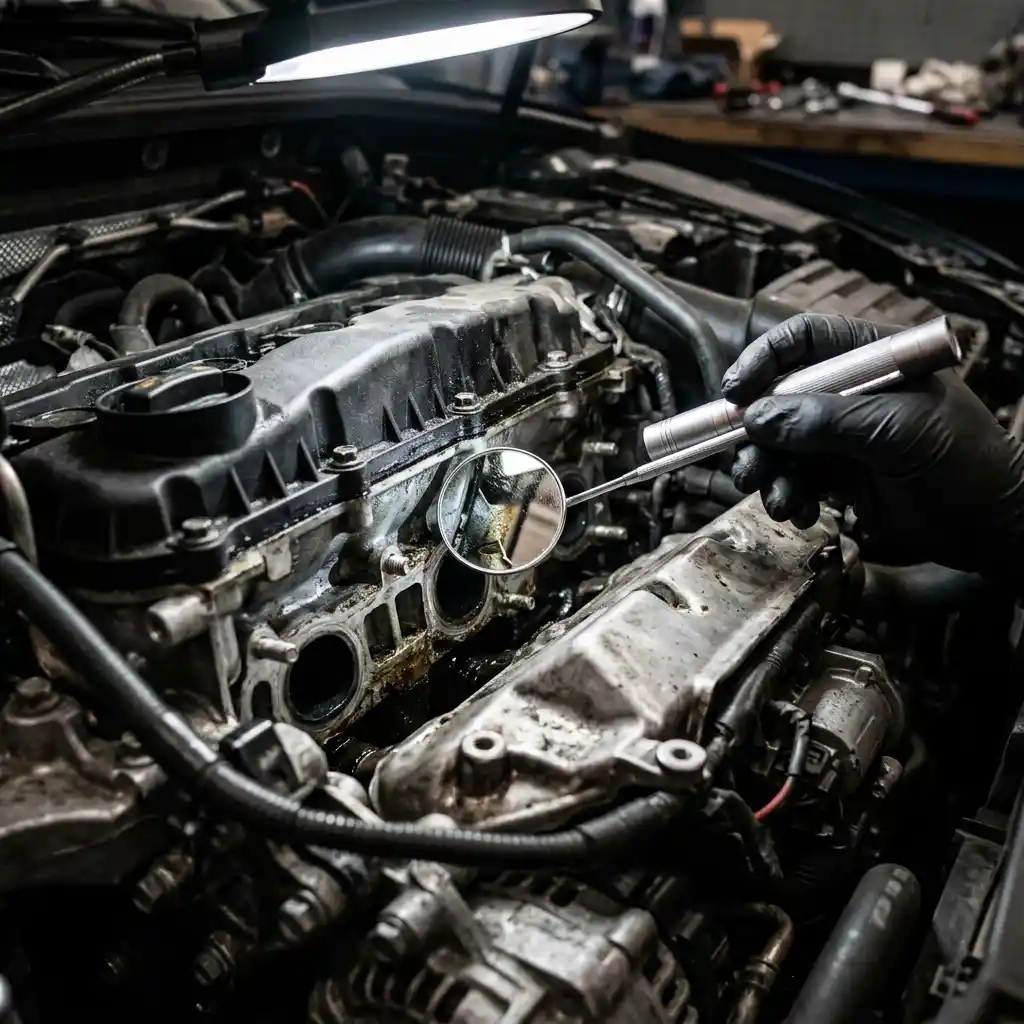
Coolant residue does not always sit directly below the failed seal. Airflow and undertrays can move it away from the source. A cold pressure test, inspection around the pump and thermostat assembly, hose and radiator checks, temperature data and fan operation help separate an external leak from a circulation or control problem.
S tronic and driveline
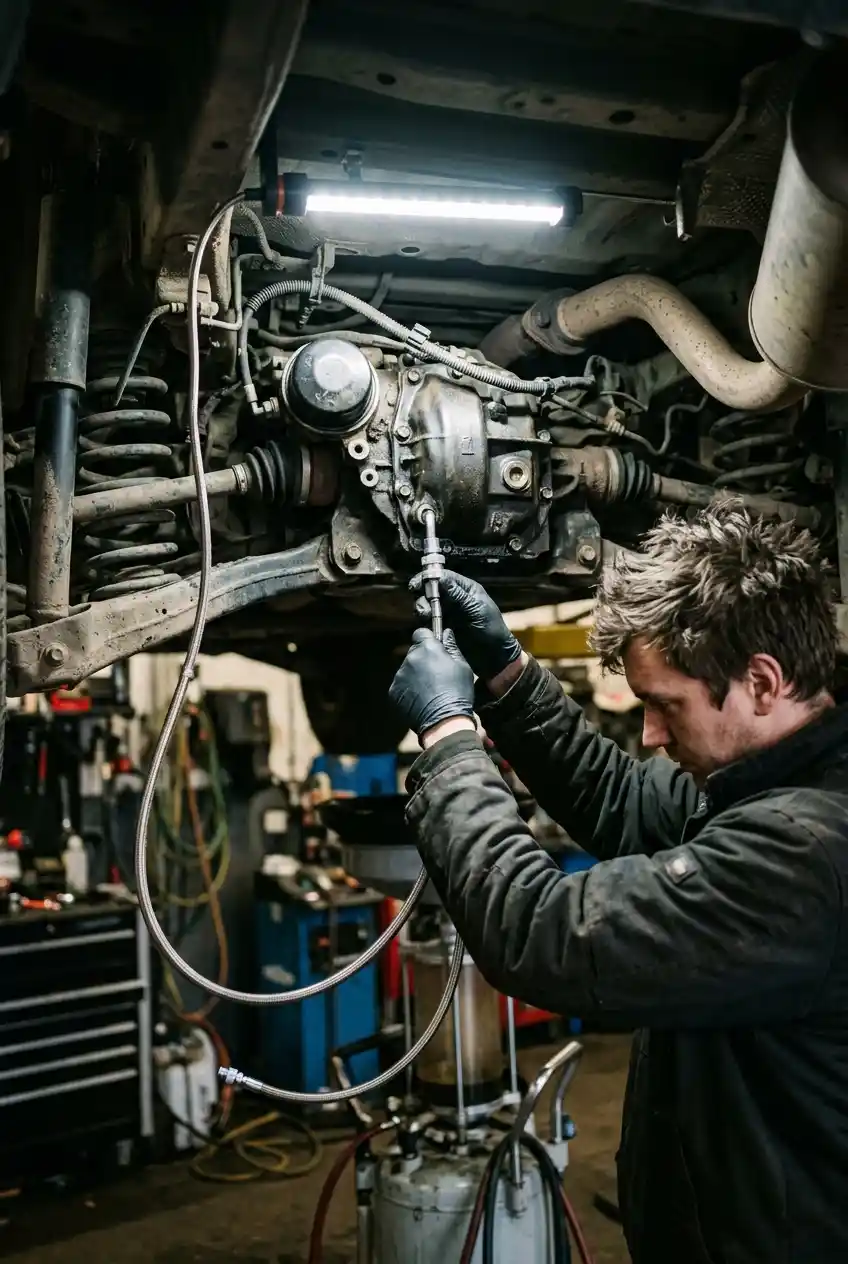
Delayed engagement, shudder or harsh shifting is assessed with the installed gearbox code, cold and warm behaviour, engine output, mounts, clutch operation, adaptation evidence and fluid condition where applicable. A service, external repair, clutch route, mechatronic route and internal gearbox repair are different scopes and should not share one quotation.
Quattro equipment
Where quattro is fitted, the investigation can include coupling or transfer hardware, differential operation, fluid condition, driveshafts, wheel-speed information and tyre circumference. A driveline warning can also be secondary to voltage or communication faults, so the complete fault record matters before mechanical work is proposed.
Brakes and chassis
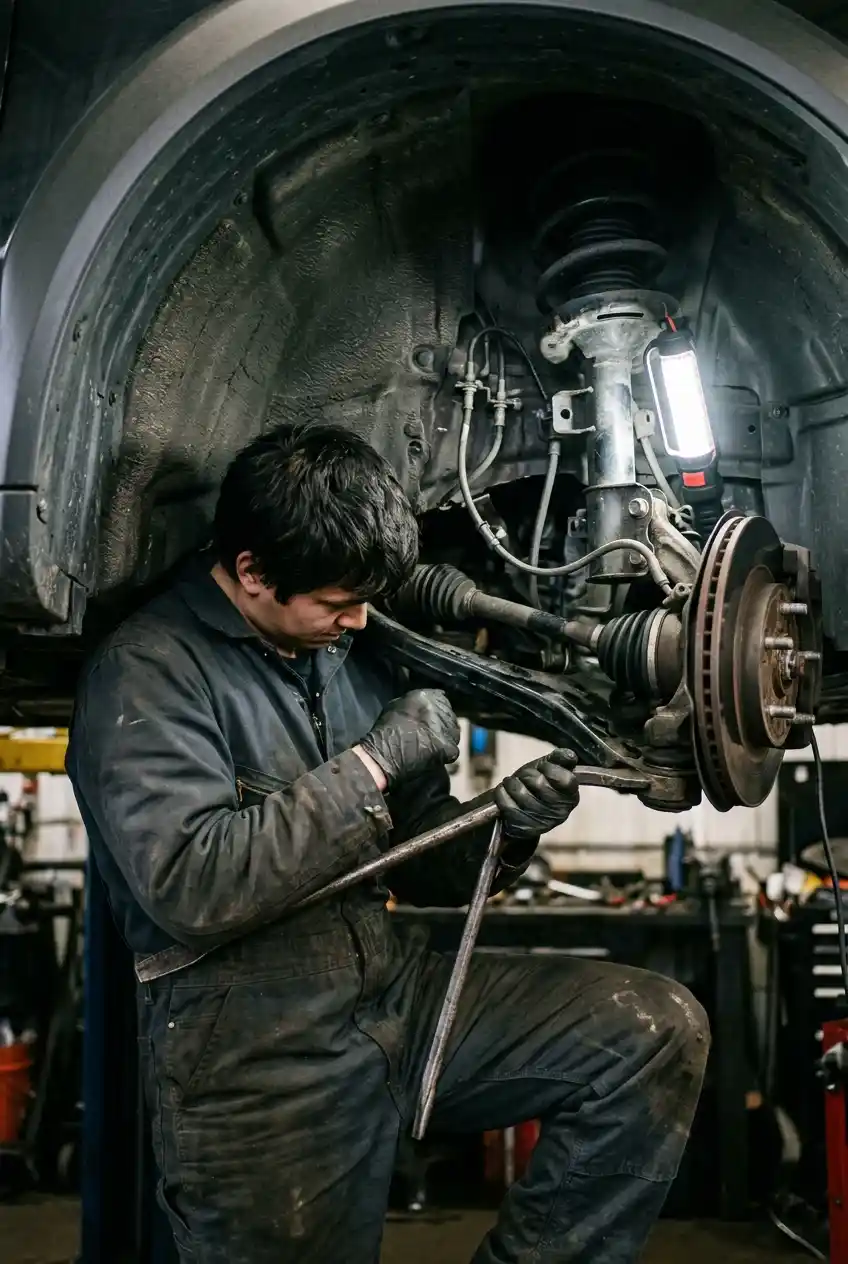
Brake vibration, uneven tyre wear, knocking and unstable steering require separate checks of friction components, wheel condition, joints, bushes, dampers, mounts, alignment and electronic inputs. Replacing a worn item without identifying impact damage, seized adjustment or another loose joint can leave the original complaint unchanged.
Electrical and AC
Low voltage can create several unrelated-looking warnings. Battery health, charging output, sleep current, grounds and module communication are checked before a control unit is blamed. Weak AC needs temperature and pressure evidence, leak testing and fan or compressor-control checks rather than an automatic gas refill.
Three Q3 systems that need different proof
The first visible clue should lead to a focused test, not a generic repair package. These Q3 inspection views show why gearbox and quattro service evidence, cooling-system leak tracing, and suspension condition must remain separate decisions.
Some symptoms need a cautious response
Not every warning requires recovery, but continuing to drive can turn a contained fault into wider damage. The vehicle’s behaviour matters more than the colour of an isolated message.
Stop for overheating
Stop safely if temperature rises, a red cooling warning appears, steam is visible or coolant is escaping quickly. Do not open a hot cooling system. Call and describe the warning before continuing.
Pause for lost drive
Do not keep forcing the Q3 to move if the gearbox will not select drive, repeatedly drops out of gear or produces a severe mechanical noise. Continued attempts can complicate the original fault.
Call for unstable handling
A sudden pull, damaged tyre, wheel movement, heavy steering or severe suspension noise needs assessment before normal driving. Share photos when visible damage is present.
From symptom record to verified repair
The sequence keeps diagnosis separate from assumption and makes the approved repair scope easier to understand.
Identify the Q3
Confirm the VIN, generation, engine, transmission, drivetrain, equipment and recent service or repair history.
Confirm the symptom
Record when it occurs, inspect visible conditions and reproduce it safely where practical instead of relying on a broad description.
Collect evidence
Scan the relevant modules and combine fault records with electrical, pressure, mechanical or temperature measurements.
Define the cause
Separate a failed component from a wiring, supply, software, wear or connected-system problem before recommending work.
Approve the scope
Explain the findings, parts route, labour and variables. Work proceeds after the proposed repair is understood and approved.
Verify the result
Check the repaired system under suitable conditions, review relevant fault memory and confirm that the original symptom is resolved.
Service the exact Q3, not a generic interval
Model year, engine, transmission, mileage, time, previous records and operating conditions decide what is due. A universal first, minor and major list can miss required work or add items that do not apply.
Routine service
Confirm the specified engine oil and filter, inspect fluid condition and levels, check tyres, brakes, lights and visible leaks, then reset the service display only after the required work is completed.
Time and mileage items
Filters, spark plugs, brake fluid, gearbox service and timing-drive work depend on the installed specification and applicable schedule. Records should be checked before repeating or postponing them.
Condition-led work
Leaks, worn brakes, weak batteries, damaged tyres and suspension play are measured or inspected. They should not be added automatically to a package because the odometer reached a rounded number.
What changes Audi Q3 repair cost
A useful estimate identifies the diagnosed fault and the complete installed scope. A price attached only to a symptom can compare different jobs without making that difference visible.
Diagnostic access
Intermittent electrical or gearbox faults can require more evidence than a visible worn component. Test time depends on symptom behaviour and access.
Exact specification
Generation, engine, gearbox, quattro equipment and control-module version change the compatible parts, fluids and procedures.
Part route
A new genuine part, suitable OEM-supplier component, verified alternative or repair route can have different availability and support.
Connected damage
Overheating, contamination, low voltage or continued driving may affect more than the component that first produced the warning.
8U and F3 faults need different context
An older 8U may arrive with age-related wear, previous repairs and incomplete records. A later F3 may present a similar symptom through a different component layout or control strategy.
We do not turn generation differences into a list of automatic failures. The model year narrows the possibilities, while the VIN, engine code, installed gearbox, control-module data and physical test establish the actual repair route. This is particularly important for cooling components, timing-drive descriptions, S tronic service parts, quattro hardware and electronic equipment.
For a useful first conversation, send the year, mileage, engine description if known, exact warning text and whether the symptom changes when cold, hot, accelerating, braking or turning. Mention recent battery disconnection, accident work, cooling repairs or software work.
Move from model context to the affected system
This page owns Audi Q3 model-specific repair intent. Detailed procedures for a confirmed engine, gearbox, brake or AC problem belong with the relevant workshop service.
Audi Q3 repair FAQs
What information should I send before booking Q3 repair?
Send the model year, mileage, exact warning text and a clear description of when the symptom occurs. Include the VIN when a part or service specification needs to be checked. Photos or a short video can help with visible leaks, noises or body damage, but they do not replace workshop diagnosis.
Does an EPC or engine warning identify the failed part?
No. The warning identifies a system that needs investigation. Fault records, freeze-frame data, live values and physical tests are used to separate a failed component from a wiring, voltage, air, fuel, boost or mechanical problem.
Why is my Audi Q3 losing coolant?
Possible routes include the water pump, thermostat housing, radiator, hoses, expansion tank, connection seals or an internal engine problem. A cold pressure test, visible residue, temperature behaviour and leak location help define the repair. Avoid opening the system while it is hot.
Does S tronic hesitation mean the mechatronic unit has failed?
Not automatically. Engine performance, mounts, clutch control, hydraulic operation, adaptation values, fluid condition where applicable and internal gearbox condition can influence how the car takes up drive or shifts. The symptom should be tested cold and warm before a major component is blamed.
Does every Audi Q3 use the same service schedule?
No. Requirements vary by generation, model year, engine, transmission, market specification, mileage, time and service history. The applicable vehicle information and previous records should be checked before deciding what is due.
Does every Q3 have a timing chain?
No. Q3 engine configurations can use different timing-drive arrangements. The engine code must be identified before describing a belt interval, chain diagnosis, parts list or labour procedure.
Can you estimate Q3 repair cost before inspection?
A first estimate may be possible when the configuration and repair scope are clear, but a symptom alone is not enough for an exact quotation. Diagnosis, access, connected damage, parts choice, availability and required setup all affect the installed cost.
Can I drive the Q3 with a warning light?
It depends on the warning and how the vehicle behaves. Stop safely for overheating, loss of oil pressure, lost drive, severe noise, unstable handling or an instruction to stop. For other warnings, record the exact message and call with the symptoms before deciding whether to drive.
Send the year, mileage and symptom
Call the workshop or send the VIN, exact warning text and the condition that produces the fault. We will identify the useful first checks and arrange the appropriate Audi Q3 inspection in Dubai.