01
Capture the event
Record first-start behavior, warning order, temperature, speed, gear, load, recent work and what changed immediately before the complaint.

The S4 name spans V8, supercharged V6, turbocharged petrol V6 and market-specific diesel applications. Engine, gearbox, quattro equipment, sport differential, brakes and software must be identified before repair or maintenance is priced.
Generic S4 content often lists timing, transmission, oil and suspension problems without separating generations. That can send a V8, supercharged V6 and turbo V6 down the same route even though their access, thermal systems and evidence thresholds differ.
Bring the VIN, not only the badge. Add production year, mileage, warning photographs, cold or hot trigger, previous repair history and modification list.
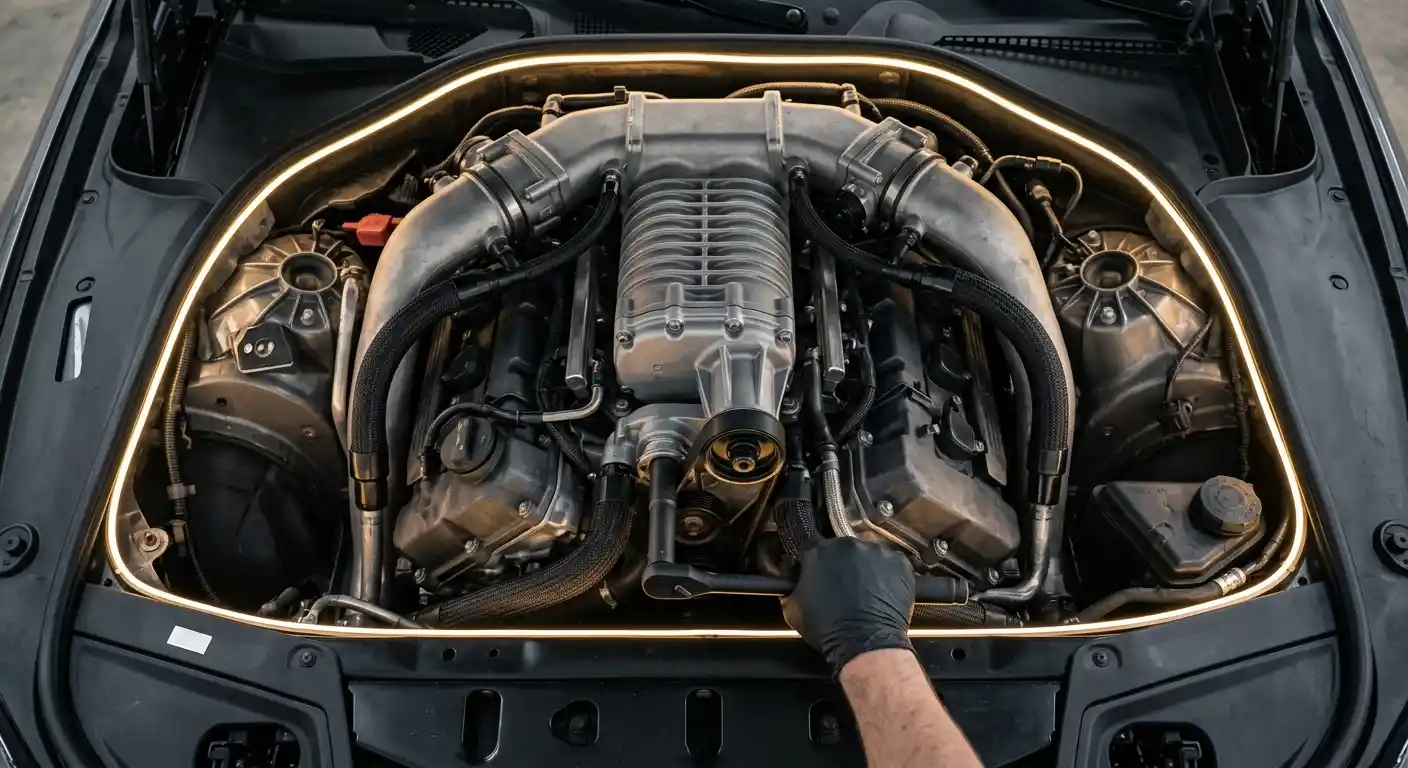
The order matters because clearing faults, warming the engine or dismantling can remove evidence.
Record first-start behavior, warning order, temperature, speed, gear, load, recent work and what changed immediately before the complaint.
Decode engine and gearbox, installed differential, suspension, brakes, market specification and software or hardware changes.
Choose pressure, temperature, voltage, cylinder, driveline, brake or chassis checks from the identified build and symptom.
Verify the repair under the cold, warm, traffic, load or maneuver condition that originally exposed the concern and retain the final scan.
Official Audi information confirms that S4 powertrains vary by market, including petrol and diesel applications in later product years. The exact vehicle therefore controls oils, cooling tests, gearbox procedures and parts.
| Generation context | Primary inspection emphasis | Do not assume |
|---|---|---|
| B6 and B7 V8 era | Cold-start evidence, oil and coolant leakage, access-intensive engine work, intake and ignition, manual or automatic driveline and age-related wiring. | That a later V6 procedure, parts route or service interval applies. |
| B8 and B8.5 supercharged V6 | Charge cooling, pump and thermostat evidence, crankcase ventilation, intake deposits, ignition, S tronic behavior, mounts and sport differential where fitted. | That a rattle, oil trace or shift complaint identifies one component. |
| B9 petrol turbo V6 | Boost regulation, charge path, thermal management, lubrication evidence, Tiptronic behavior, network faults and driver-assistance calibration. | That a supercharger test or earlier gearbox process applies. |
| Market-specific diesel S4 | Diesel fuel and air management, emissions equipment, turbo system and market-specific mild-hybrid or electrical architecture. | That every imported S4 is a petrol car or uses GCC service data. |
Dubai traffic heat can reveal marginal airflow, pump, thermostat, coolant or charge-cooling performance. It does not prove which component failed.
For a supercharged car, assess charge-cooler effectiveness, circulation and intake control. For a turbo car, pressure-test the charge path and compare requested boost, actual boost and thermal protection. Record ambient temperature, traffic time and recovery, then pressure-test the cold cooling circuit and inspect residue from its highest fresh point.

Compare cylinders, ignition, fueling, intake sealing, boost or supercharger control, crankcase ventilation and mechanical condition before choosing coils, injectors or forced-induction hardware.
Record cold engagement, parking behavior, warm shifts, fluid history, temperature, pressure or clutch data, learned values and engine torque intervention.
Confirm installed differential hardware, four tire circumferences, wheel-speed data, fluid history, mounts and vibration under the condition that triggers the concern.
Measure tire condition, rim and hub runout, pads, discs, caliper movement, joints and alignment evidence before calling vibration a brake or driveline fault.
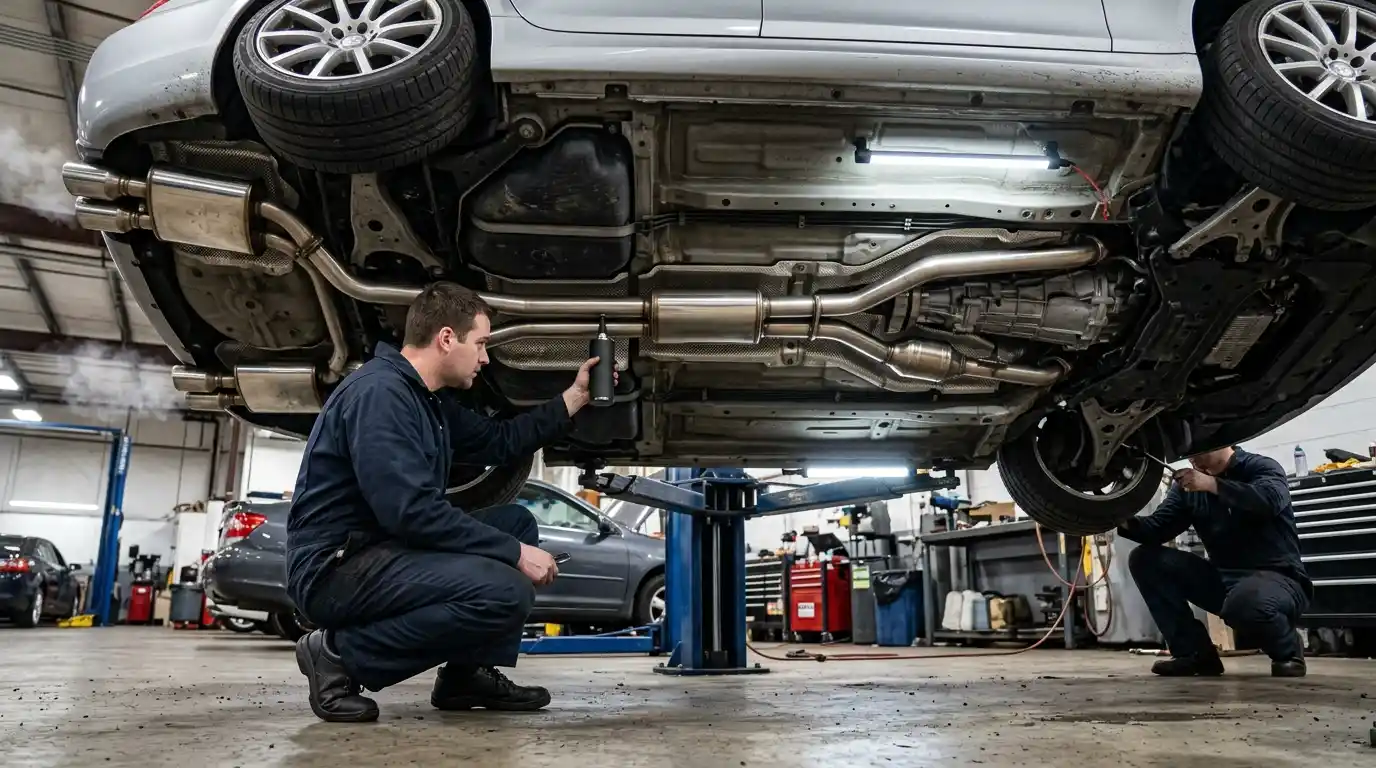
A cabin sound can originate from engine accessories, exhaust valves, heat shields, mounts, undertrays, wheel bearings or suspension. Note whether it follows rpm, road speed, gear load, steering or temperature.
Cold-start chain or actuator noise requires duration and repeatability, not a description alone. Exhaust codes require ignition, mixture, air, sensor and hardware evidence before a catalyst or sensor is authorized.
Cost and downtime depend on what failed, what must be removed to prove it, and what coding or calibration follows.
Use when a seal, line, sensor, actuator, mount or circuit is isolated and the parent assembly passes.
Use when dismantling and measurement define recoverable internal wear with supported specifications and parts.
Use when damage, safety, contamination, unavailable internals or total labor prevents a dependable repair.
Use only for a stable, measured, non-safety condition with a written review point and intervention limit.
Test the 12-volt supply, charging behavior, grounds and sleep current before interpreting several network warnings. Save the scan before clearing and identify which faults return after voltage is stable.
Relate windscreen, bumper and suspension work to cameras, radar, parking sensors, steering geometry and calibration where fitted. Trace moisture and nonfactory tracker, alarm or audio wiring before replacing control units.
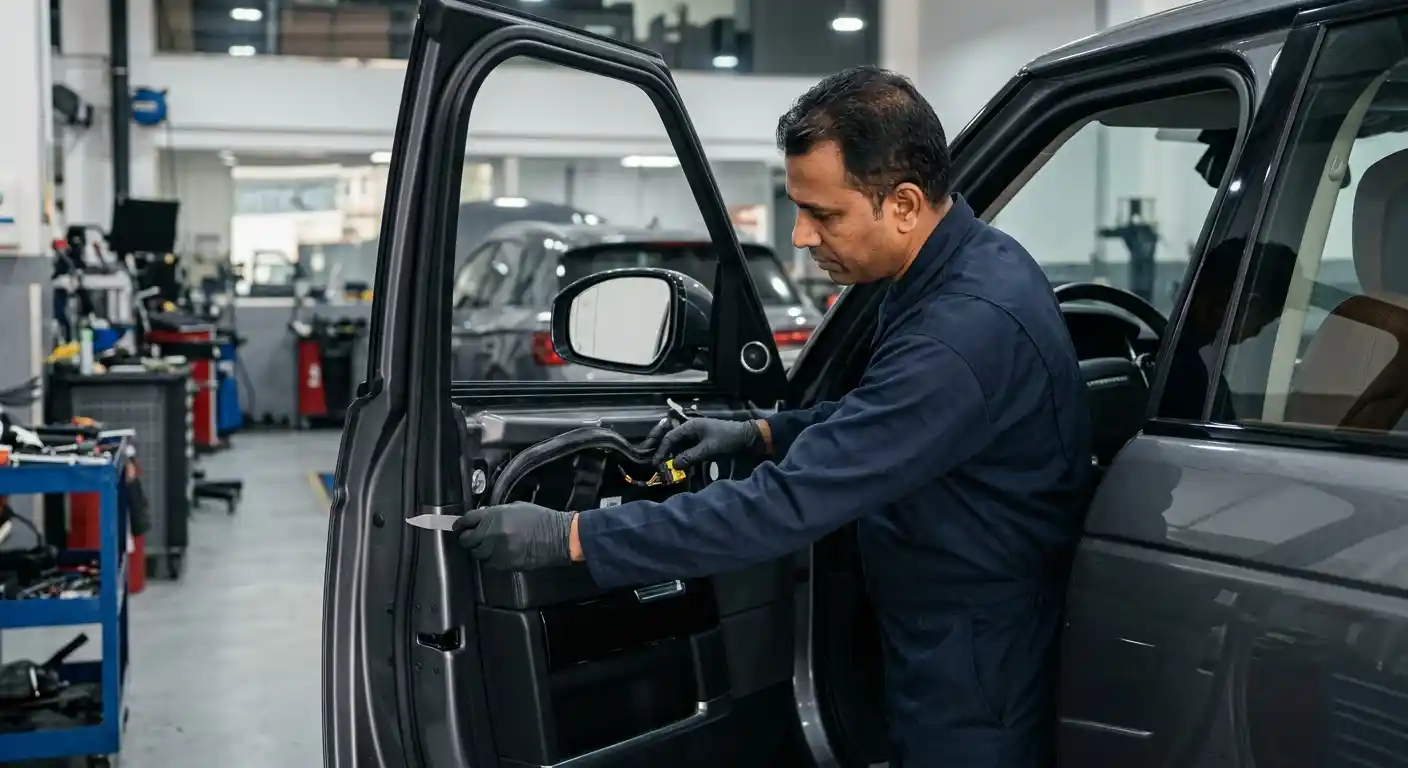
Record oil approval, filters, plugs, fitted gearbox and differential service, brake fluid, coding, adaptations and final measurements.
List software, pulley or turbo hardware, intake, exhaust, cooling, fueling, wheels, suspension and brakes before flashing or resetting.
Confirm identity, keys, import history and repairs, save a whole-vehicle scan, measure wear and re-scan after a restrained road test.
Use the Audi maintenance schedule for routine planning, the parts guide when comparing quotes, and the Audi problems hub when the first symptom is unclear.
No. The S4 spans V8, supercharged petrol V6, turbocharged petrol V6 and market-specific diesel applications. Confirm the engine and market specification.
No. Verify the option and installed driveline hardware before choosing service fluid, test procedure or repair parts.
Yes. Test battery, charging and grounds, preserve the initial scan, then identify which faults return after supply is stable.
Generation, confirmed failure, labor access, parts source, fluids, seals, one-time fasteners, software, alignment, calibration and final verification all affect the installed scope.
Include mileage, warning photographs, cold or hot behavior, recent work and modification history.