Audi S3 Repair and Service in Dubai
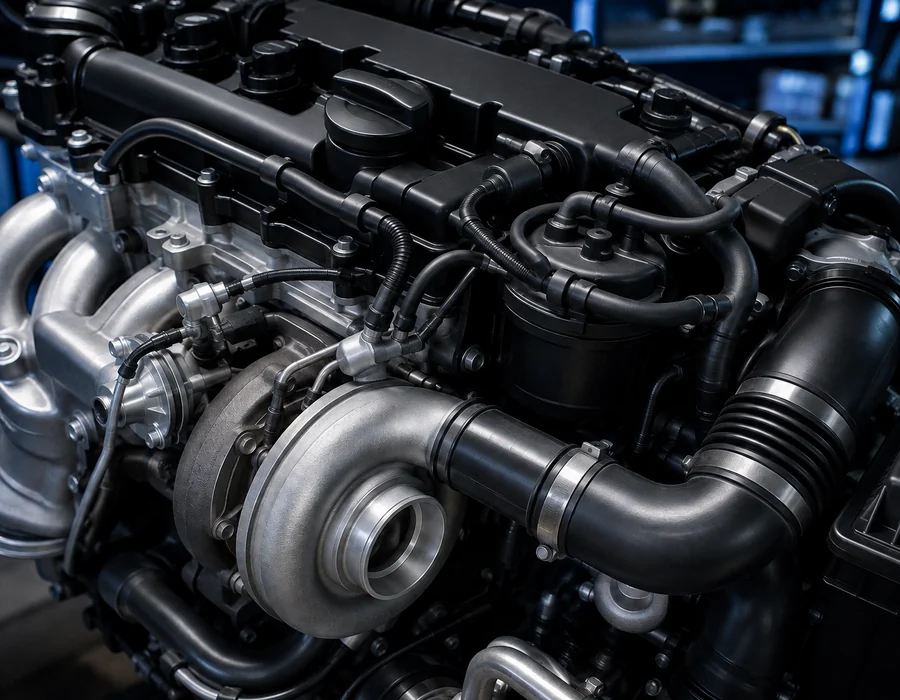
The S3 should be diagnosed as a connected compact performance car: 2.0 TFSI engine, S tronic or generation-specific transmission, rear-drive coupling, tires, brakes, cooling and networked electronics. The VIN and first symptom define the board.
Put the S3 on a three-column fault board
Use the Audi problems guide when the first symptom is unclear, compare the next sedan on the Audi S4 repair page, and plan routine work with the Audi maintenance schedule.
Trigger
Cold start, traffic heat, parking maneuver, steady speed, moderate load, braking or hot restart.
Evidence
Warning sequence, full scan, voltage, fluids, temperature, cylinder, pressure, wheel and tire measurements.
Decision
Maintenance, safe inspection, recovery, confirmed repair or a bounded next diagnostic stage.
Confirm generation, body, engine and gearbox codes, driven-axle hardware, suspension, brakes and modification state. Audi’s S3 technical overview provides later-model context, but the vehicle controls the procedure.
Move the decision to recovery when control is uncertain
Stop, switch off and arrange transport for red oil or coolant warnings, smoke, fuel smell, major fluid loss, severe misfire, deep mechanical knock, unsafe brakes or steering, serious tire damage or gearbox engagement that cannot be predicted. Do not repeatedly restart or accelerate the car.
Ask before driving when reduced power appears with temperature, transmission or drivetrain messages. A brief transfer approved by a technician should avoid boost and hard braking and end if the situation changes.
Preserve cold-start, voltage and scan evidence
Leave the engine unstarted when the problem is cold-specific. Capture starter speed, the sequence of cluster alerts, initial combustion quality, how long any noise lasts, visible tailpipe behavior, safe fluid observations and the battery test. Save all module faults before clearing, including status and environmental data where available.

Low supply can produce communication and adaptation messages. Stabilize battery and charging behavior, then identify which faults return after the route and heat soak. Do not use a clean dashboard after clearing as proof of repair.

Test boost, combustion and ventilation as different branches
Power loss can involve ignition, fueling, charge-air leakage, pressure control, crankcase ventilation, sensors, exhaust restriction or mechanical condition. Compare cylinders and requested versus actual behavior. A generic underboost or misfire description cannot choose a turbocharger or coil set.
Locate oil residue and track level using the correct procedure. Smoke needs color, timing, load and fluid trend. Verify the failed test before parts are approved and repeat the same safe rpm, load and temperature after repair.
Keep S tronic and rear coupling tests separate
Describe cold selection, crawl, parking maneuvers, steady shifts, full-temperature behavior and warnings. Review commanded engine output and powertrain-support movement alongside the transmission record. Verify the installed gearbox’s lubricant record and learned-control information.

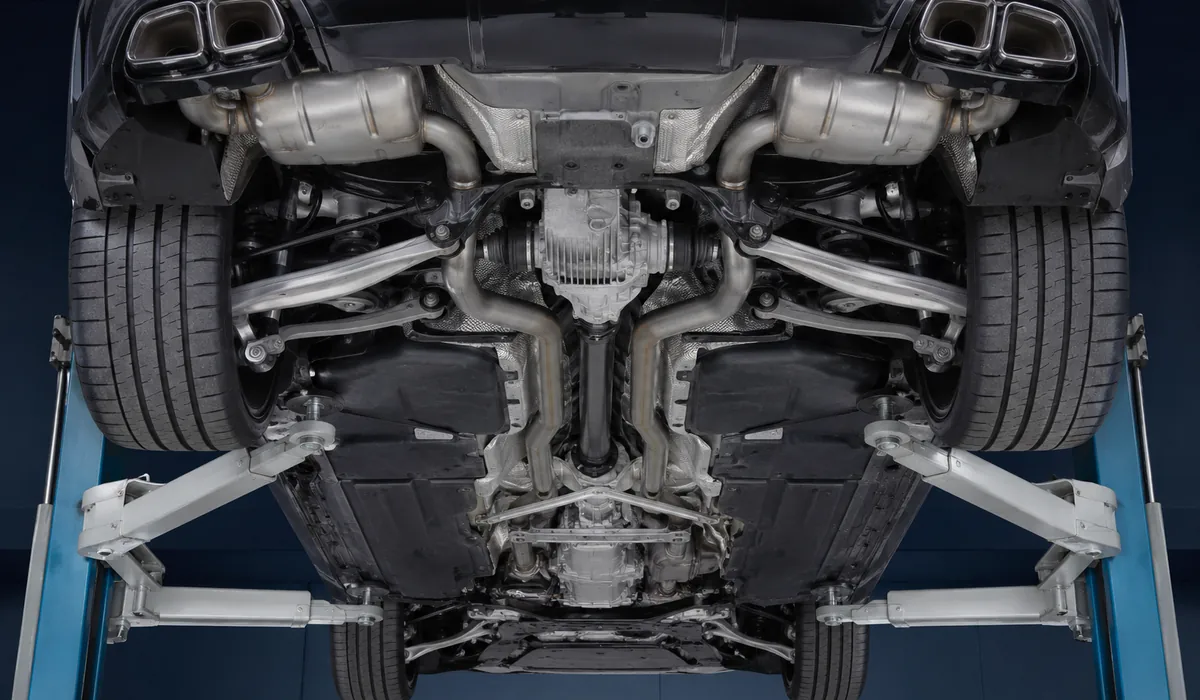
For quattro or rear-coupling concerns, record all four tire specifications, pressures and tread. Test engagement with the correct generation-specific procedure. A mismatched tire can affect behavior without proving the coupling has failed.
Use Dubai heat to define the reproduction, not the diagnosis
Record whether the concern occurs at low road speed with air conditioning, after parking or under moderate acceleration. Inspect radiator and condenser airflow, fan operation, coolant pressure behavior, pump and thermostat evidence and generation-specific charge cooling.
Measure cabin cooling separately. Use the least load needed to reproduce the issue and observe recovery. Never open a hot cooling circuit. Uncontrolled temperature or rapid loss means recovery.
Measure four corners before blaming the driveline
Record tire make, type, date, cold pressure, tread, repairs and rim damage. Inspect joints, mounts, hubs and alignment evidence. Separate engine-speed vibration from road speed, braking and steering.
Measure brake friction surfaces and caliper behavior, identify fluid history and inspect suspension movement. Mileage or one heat reading cannot establish remaining life. Public-road diagnosis should not recreate repeated high-energy stops.

Connect body and glass work to sensors
Map windscreen, bumper, wheel and suspension repairs to cameras, radar, parking sensors, steering geometry and calibration where fitted. Test lighting, climate, infotainment, keyless entry and both keys one at a time.
Inspect added audio, tracking or security wiring. Moisture or disturbed harnesses need source tracing before controller replacement.
Document modifications before changing the reference
Create an inventory covering calibration files, induction parts, exhaust hardware, heat exchangers, fuel-system changes, chassis pieces, rims, tires and brake upgrades. Preserve the current calibration and faults before flashing or resetting. Nonstandard equipment can shift thermal demand and component stress without establishing why a specific fault occurred.
Some testing may need a known standard configuration. Define that stage separately and check UAE road-use, insurer and warranty consequences with the relevant providers.
Build a service invoice that supports the next diagnosis
| Work line | Selection evidence | Completion record |
|---|---|---|
| Engine oil and filters | VIN, approval, time, mileage and use. | Product, quantity, level procedure and leakage check. |
| Transmission and rear drive | Exact units, schedule, faults and history. | Fluid or filter scope, adaptations and behavior. |
| Brakes and tires | Measurements, age, damage and fitted package. | Before-and-after values, pressures and torque. |
| Cooling and battery | Pressure, temperature, capacity or voltage evidence. | Final test and module scan. |
Keep maintenance, measured wear, active faults and conditional access separate. Name parts source, labor, fluids, fasteners and software or calibration work.
Inspect a used S3 without a launch test
Cross-check chassis identity, dated maintenance evidence, both remotes, GCC or imported specification, collision history and every declared alteration. Inspect cold, scan all controllers, measure tires and brakes, examine underbody and cooling openings, then use a safe route.
Start with parking-speed steering, continue at constant road speed, apply a single modest increase in demand, decelerate progressively and check restart behavior once operating heat has settled. Re-scan afterward. Launch control adds stress and does not prove overall condition.
Trace coolant loss before replacing the familiar parts
Pressure-test and inspect the system according to the exact engine. Look at accessible pump, thermostat, housing, hose, radiator and connection evidence, then relate residue to the operating state. Undertrays can carry coolant away from its source.
A visible leak may need nearby seals, fasteners, refilling and bleeding included in the scope. After repair, reproduce traffic temperature, verify fan behavior, inspect for renewed loss and save the final scan.
Keep PCV, oil leakage and consumption as separate conclusions
Record level with the correct procedure and consistent conditions. Inspect external residue, crankcase pressure behavior, intake contamination and exhaust smoke timing. A ventilation fault can influence mixture or leakage without proving internal engine wear.
When consumption is reported, establish distance, amount and operating use. An estimate should state which measurement supports ventilation, sealing, turbo-related or internal work.
Locate exhaust rattle, odor and warning sources
Compare a noise with engine speed, selected mode, temperature and road movement. Inspect joints, valves, shields, mounts, sensors and nearby wiring. A code naming catalyst efficiency or a sensor circuit does not prove the assembly has failed.
Record nonstandard exhaust hardware and software together. Check fit, heat clearance, road-use, insurer and warranty questions through the relevant providers.
Plan storage and return-to-use checks
Before long parking, follow the exact owner guidance for battery support, tires and fluids. On return, inspect for pressure loss, leakage, warning messages, heat or pest damage before highway use.
Save the initial scan. Low-voltage history can explain some events, but a fault that returns after the baseline is corrected needs focused diagnosis.
Control parts, downtime and conditional work
State genuine, OEM, aftermarket, remanufactured or used parts accurately and identify source and warranty. Separate labor, fluids, one-time hardware, software and verification. Ask whether parts are local, VIN-ordered or subject to a core return.
When disassembly is required to reveal secondary condition, set the access boundary in advance and pause for authorization once it is reached. Warranty coverage depends on the applicable written terms, exclusions and claim approval.
Prepare the S3 before workshop arrival
Send the VIN, warning photos, first trigger, outside temperature, fuel level, speed, gear, load, recent work and modification list. Preserve a cold start when it is central. For a rattle, record safely without approaching hot or moving parts.
Agree on a bounded first-stage output: scan, supply baseline, reproduction, measurements and a stated next decision.
Test Sportback and Sedan body functions separately
On either body, check door seals, glass, locks, lighting, cameras, climate, infotainment and both keys. On the Sportback, add tailgate, rear drainage and load-area wiring; on the Sedan, inspect boot sealing and rear body repair evidence.
Moisture near electronics needs source tracing and drying scope. Do not price a control unit before water entry and wiring condition are understood.
Verify fuel and restart complaints by operating state
When starting takes too long or the restart is uneven, document engine temperature, elapsed parking time, tank quantity, the last fuel stop, starter performance and what is visible at the tailpipe. Follow the applicable test path through fuel delivery, spark, injector operation, intake measurement and evaporative-control data.
End further start attempts when gasoline smell, visible exhaust, violent shaking or deep impact noise develops.
Close the S3 file at handover
Restate the original trigger, failed test, approved repair, parts and fluids, adaptation or calibration and the final scan. Repeat the same cold start, shift, temperature, road-speed or braking condition safely.
When the fault is intermittent, state what was tested and the next event the owner should capture rather than using a general “all clear.”
Prepare recovery information when the S3 cannot be driven
Share the exact location, VIN, ground clearance, wheel condition, whether steering and parking brake can be released, and any fluid, smoke or tire hazard. Tell the recovery operator if the transmission will not select neutral or the vehicle has nonstandard suspension.
Use an appropriate loading method and secure the vehicle according to current recovery guidance. Do not improvise towing through unapproved points or crawl underneath an unsupported car.
S3 service questions
Does an underboost code prove the turbocharger failed?
No. Leakage, control, sensors, exhaust and operating conditions need testing.
Can tires affect quattro behavior?
Specification, pressure and circumference can influence the driveline. Inspect all four.
What proves the repair is complete?
Repeat the original trigger, save the final scan and record the relevant measurements.