
Audi RS5 Repair and Service in Dubai
RS5 generations require different engine, transmission and chassis assumptions. Begin with the VIN and current hardware, then use the symptom’s exact temperature, load, speed and warning state to choose tests.
Split the RS5 into generation and body branches
Use the Audi RS4 repair page for the Avant branch and the RS6 repair page for the larger estate. Unclear symptoms should start with the Audi problems guide.
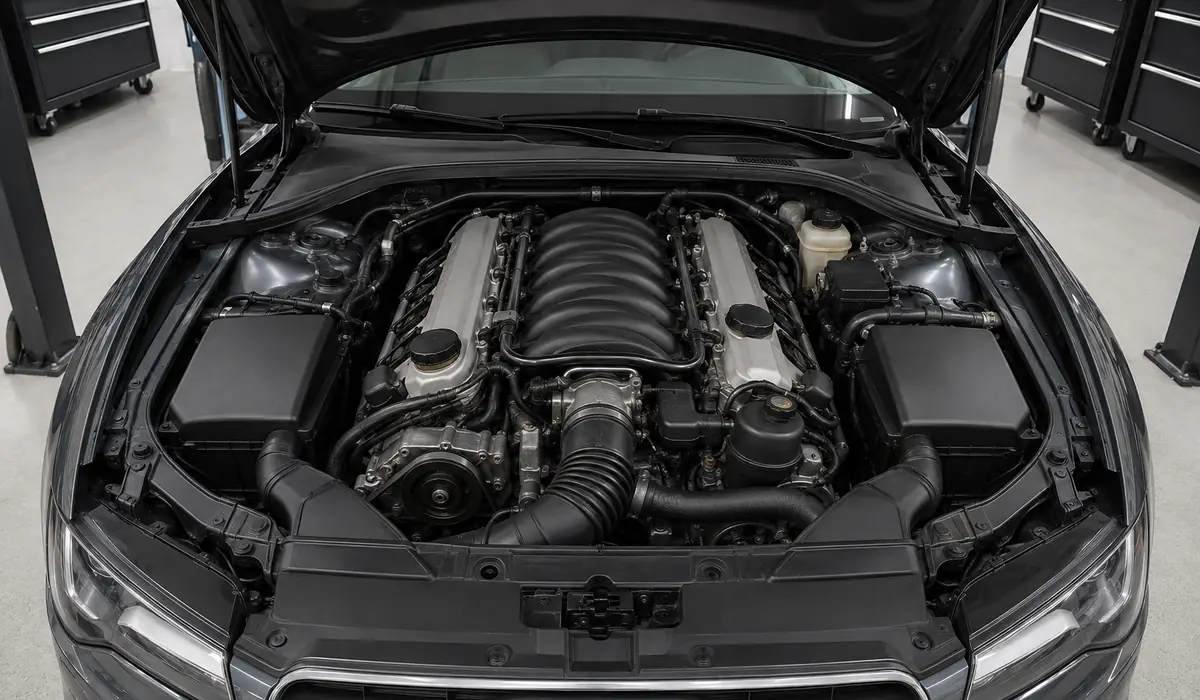
Earlier V8 configuration
Confirm engine code, oil and cooling procedures, transmission, quattro hardware, suspension and brake equipment. Do not apply later turbo-engine assumptions.
Later V6 biturbo configuration
Confirm Coupe or Sportback, gearbox, DRC or other suspension equipment, sport differential, brakes, wheels and software state.
Audi’s RS5 manufacturer overview documents later V6 biturbo and chassis equipment, but the exact vehicle remains the repair authority.
Decide on recovery before testing performance
Do not road-test an RS5 that shows a red lubrication or thermal instruction, visible smoke, fuel vapor, large fluid loss, harsh cylinder cutout, internal pounding, unstable brakes or steering, compromised tires, or loss of transmission control. Preserve the event and arrange suitable transport.
Seek workshop direction before moving a car with reduced output, a driveline alert or fresh suspension message. If a short transfer is explicitly permitted, keep demand minimal and stop immediately if temperature, warning priority or vehicle control deteriorates.
Preserve the cold start and the first scan
Keep the first workshop observation before warmup whenever possible. Note starter speed, the sequence of messages, idle stability, how long any noise lasts, tailpipe output and safely visible fluid evidence. Follow the generation-specific oil check and wait for cooling-system pressure to fall before access.
Save faults from every controller before clearing. Check battery and charging condition, because a low-voltage event can create secondary communication messages. Re-scan after a controlled route and hot restart so current faults are separated from old history.
Recent repair changes the path. Inspect disturbed shields, mounts, fasteners, hoses, wiring, undertrays and calibration-sensitive hardware before condemning a distant component.
Use different engine questions for V8 and V6 cars
On an earlier naturally aspirated car, a cold sound, oil use, rough running or power concern should be tested through oil procedure, ignition, fueling, air, mechanical sealing and the specific condition that creates it. Deposit claims do not replace cylinder evidence.
On a later biturbo car, record boost request and delivery, temperature behavior, charge-air and coolant evidence, ignition and fueling. A leak, control issue, sensor plausibility problem or protective response can feel like turbocharger failure. Measurements define the boundary.
For smoke or odor, record when it begins, where it exits, how long it lasts and whether any fluid level changes. A leak onto a hot surface and fluid entering the engine require different evidence.
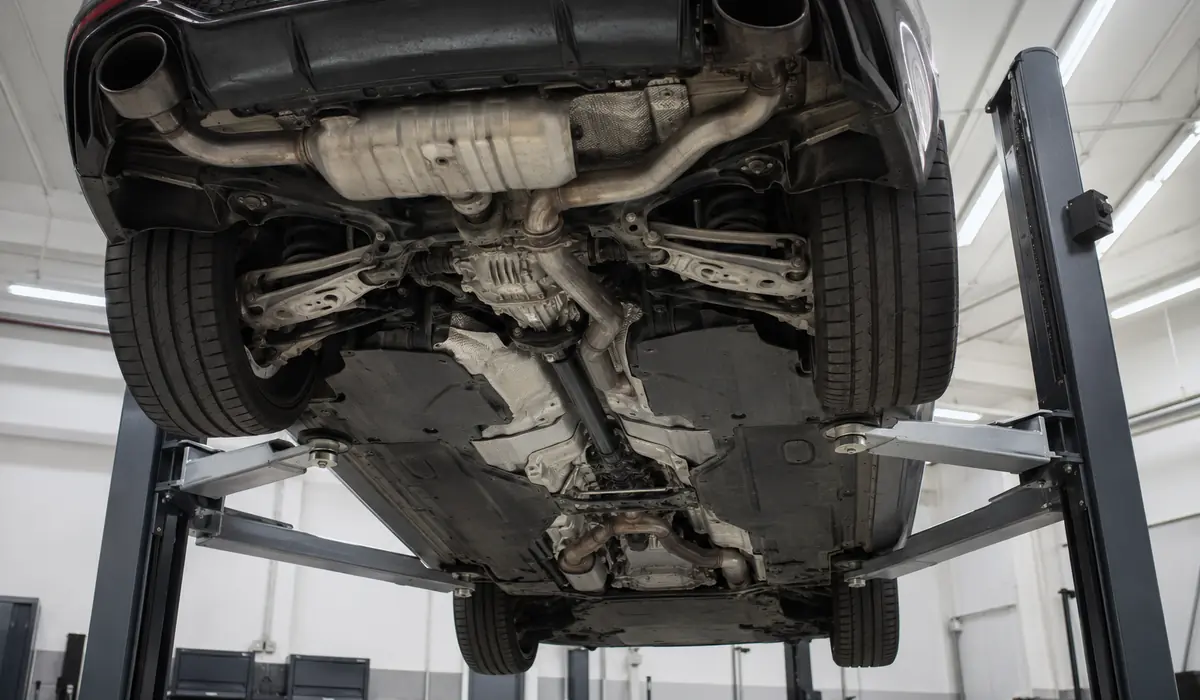
Separate gearbox, sport differential and mount behavior
Describe cold selection, parking maneuvers, steady acceleration, full-temperature shifts, overrun and warnings. Scan engine and transmission together because torque intervention can alter the felt shift. Inspect mounts, joints, wheel and tire condition before assigning a vibration to internal gearbox damage.
For rear-differential or quattro behavior, identify the exact hardware and compare tire circumference, lubricant records, speed signals and physical condition. Treat a previous transmission invoice as useful only when it names the unit, approved fluid, filter work and learning procedure performed.
Identify DRC and wheel equipment before pricing the chassis
Later RS5 models may use RS sport suspension or optional Dynamic Ride Control. Audi describes DRC as controlling pitch and roll through its suspension system, but the fitted package must be confirmed. Inspect dampers, hydraulic evidence where applicable, mounts, joints, ride height and geometry.
Record wheel size, tire specification, age, pressure, tread, repair history and damage at all corners. Separate engine-speed vibration from road-speed, braking and steering input. Alignment cannot correct a damaged wheel or worn joint.
Modified coilovers, spacers or nonstandard wheels require clearance, load, fastener, alignment and sensor checks. Record adjustment positions before altering them.
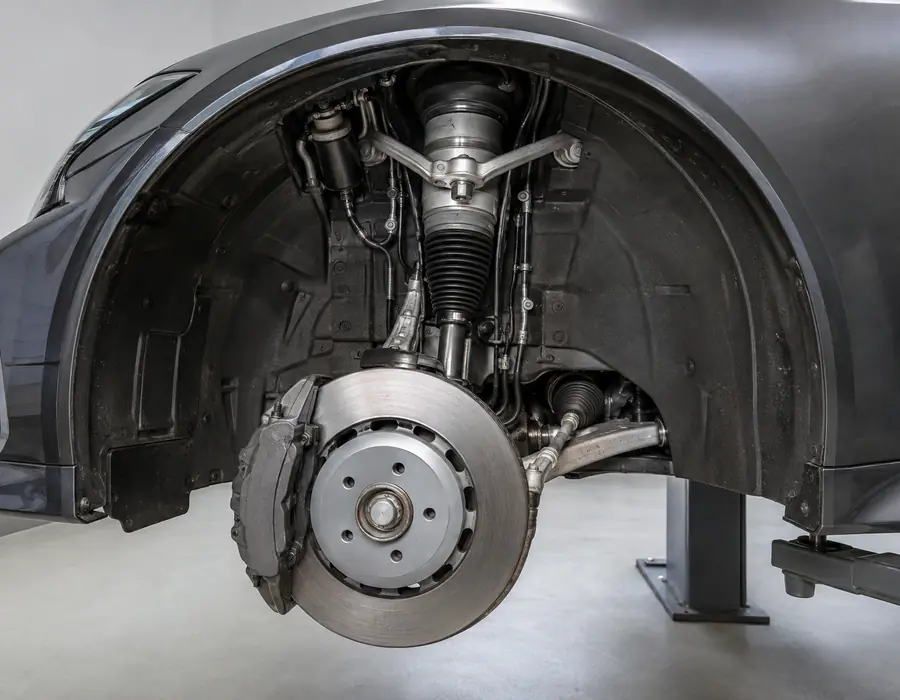
Measure brakes according to the fitted material
Confirm steel or ceramic equipment before estimating. Inspect friction surfaces using the applicable method and record pads, calipers, hubs, hoses, fluid history and wheel fitment. A photograph or mileage estimate cannot prove remaining life.
An RS5 brake shake can start at the disc, hub mounting face, wheel, tire or a worn chassis joint. Measure runout and component condition before the road check. Do not imitate repeated track-style braking on public streets.
Control Dubai heat without inventing a cooldown rule
Describe the heat event by ambient conditions, time stationary, parking duration, road grade and engine demand. Inspect both cooling packs for restriction, confirm fan response, pressure-test the coolant circuit and evaluate charge-temperature control on applicable engines. Diagnose the passenger-compartment AC as its own system.
Use the smallest safe load that recreates the issue, then observe recovery. Stop for uncontrolled temperature, steam, fluid loss or a red warning. After high-temperature operation, allow a controlled cool-down and inspect before another test.
Build maintenance and estimates in separate layers
| Layer | Evidence | Record at completion |
|---|---|---|
| Scheduled | VIN, time, mileage, history and exact specification. | Fluid approval, quantity, parts and due reset. |
| Wear | Tire, brake, battery or chassis measurement. | Before-and-after value and next review point. |
| Fault | Reproduced symptom and failed test. | Parts route, related operations and repeated verification. |
| Conditional | Damage visible only after access. | Separate approval before scope expands. |
Do not hide diagnostic time, one-time fasteners, fluids, alignment, coding or calibration inside a vague total. The invoice should support future diagnosis and warranty questions.
Treat RS5 modifications as recorded test conditions
Create an RS5 modification record covering control software, induction, exhaust, thermal hardware, fuel system, suspension, wheels and brakes. Include the manufacturer, installer and any retained factory parts. Treat the changes as test conditions, not automatic proof of blame.
Save the original scan and software identifiers before any update or reset. Where a modification affects legal road use, insurance or warranty, the owner should confirm the position with the responsible organization.
Inspect a used RS5 without a launch demonstration
Verify VIN, generation, body, records, accident work, keys, import status and modifications. Inspect cold-start behavior, fluids, underbody, cooling openings, tires, brakes and suspension, then scan before driving.
Evaluate a used RS5 through parking turns, stable-speed running, modest torque, routine stops and a restart after full warmup. Compare the post-drive scan with the cold record. High speed and launch functions are unnecessary for this evidence.
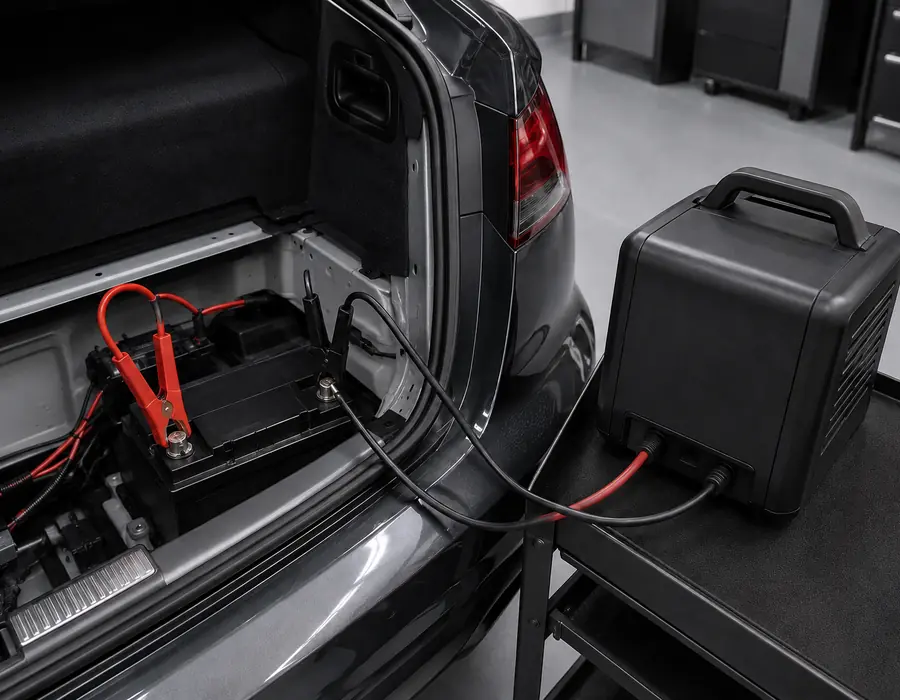
Stabilize electrical supply before comfort-module estimates
Document the energy-supply story: battery installation date, capacity result, charging performance, storage duration, jump assistance and nonfactory electrical loads. Once voltage is stable, repeat communication checks and keep only the faults that can be reproduced.
Operate lamps, cameras, proximity sensors, HVAC, seats, access and each key independently. Save chronology before software work. A blank display or missing assistance function may originate in power supply, communications, sensor mounting or another controller higher in the chain.
Connect body style and previous repair to current faults
On a Coupe, inspect door-glass indexing, long-door alignment, seals and seat access. On a Sportback, add tailgate, rear drainage, load-area trim and wiring checks. For either body, map windscreen, bumper, wheel and suspension work to cameras, radar, parking sensors, geometry and calibration records.
Examine underbody panels, cooling ducts, jacking points and wheel arches for impact or incorrect access. Moisture or disturbed wiring should be traced to its source before electronic parts are ordered.
Locate exhaust noise and emissions faults by condition
Record whether a buzz, rattle, odor or warning follows engine speed, exhaust mode, temperature or road movement. Inspect valves, joints, shields, mounts, sensors and nearby heat protection. A catalyst or sensor description in a code does not prove the named part has failed.
Nonstandard exhaust equipment should be documented with software and heat effects. Check installation, clearance, wiring and current UAE road-use, insurer and warranty implications through the relevant providers.
Use storage history when interpreting the first drive
After long parking, record battery result, tire pressures, fluid evidence, startup messages and the first controlled route. Flat spotting, low voltage and dormant faults can affect the initial impression without automatically proving permanent damage.
On return from storage, inspect for leakage, pest or heat damage and pressure loss before highway or high-load use. Save the scan before erasing historic events.
Make the handover report repeatable
The handover record should trace the complaint to its failed measurement, approved scope, installed materials and any learning or calibration. Verify with the same cold, speed, steering, braking or heat-soak trigger at a safe intensity and retain the closing scan.
When the RS5 behaves normally during inspection, record which conditions were tested and which were unavailable. Set a precise trigger for the next log or return visit; one clean drive does not close an intermittent complaint.
Match the complaint to a reproducible evidence set
Cold or first-start concern
Preserve overnight state, battery result, cranking, warning order, sound duration, idle and exhaust appearance. Do not warm the car before arrival when a cold event is central.
Hot or load concern
Record traffic time, ambient temperature, gear, rpm, selected mode and recovery. Use a bounded test instead of repeated hard pulls.
Road-speed vibration
Document speed range, braking, steering and road surface, then inspect tires, wheels, hubs, joints and geometry.
Intermittent electronic fault
Photograph the message, save timestamps and note recent parking, battery or body work. Re-scan after the event.
Agree on the evidence expected from the first diagnostic stage and its spending limit. If the trigger cannot be recreated safely, the report should explain the alternative tests and monitoring plan.
Prepare the first RS5 appointment
Send the VIN, exact cluster message, photographs, cold or hot trigger, fuel and fluid observations, recent repair and modification list. If the concern begins on startup, avoid warming the car before arrival when transport and workshop planning allow.
Agree on the first diagnostic output and authorization limit. The owner should receive the saved scan, reproduction notes, measurements and a clear next decision rather than only a list of possible parts.
RS5 service questions
Does every RS5 use a V6 biturbo?
No. Earlier RS5 generations used a different engine configuration. Confirm the VIN and physical build.
Does a DRC leak require one damper only?
The complete fitted system and approved procedure must be inspected before scope is chosen.
Can a transmission warning be driven?
Ask before driving. Recover the car if control is unpredictable, shifting is severe or the warning combines with leakage, temperature or major power loss.