
Audi RS4 Repair and Service in Dubai
An RS4 estimate must begin with its generation. The badge has covered different engines, gearboxes and chassis systems, while the Avant body adds real passenger and cargo use. Correct repair planning joins the exact build, reproduced symptom and measured condition.
Use a generation tree before a diagnostic checklist
Compare the compact RS3 repair page and the coupe-focused RS5 repair page. Routine work should follow the maintenance schedule guide and exact fluid approval.
Engine branch
Confirm naturally aspirated or turbocharged configuration, engine code, oil procedure, cooling layout and previous major work.
Driveline branch
Identify manual or automatic transmission, quattro hardware, sport differential equipment and service history.
Chassis branch
Verify standard, DRC, adaptive or competition-related suspension, installed brakes, wheels and tires.
The official Audi RS4 Avant archive documents later-model equipment, but earlier cars can be fundamentally different. VIN, physical parts and diagnostic identity must agree before the workshop selects fluids, tests or replacement components.
Decide whether the RS4 should move
Move the RS4 by recovery if it gives a red pressure or temperature command, runs with a violent misfire, emits smoke or fuel odor, loses substantial fluid, develops deep mechanical knocking, cannot brake or steer consistently, has tire damage, or shifts unpredictably. New DRC leakage or a chassis warning also rules out performance driving until inspected.
For a mild warning with normal control, ask the workshop before driving. If a short trip is approved, reduce load, avoid boost and hard braking, monitor temperature and stop if the symptom changes. Do not use repeated acceleration to reproduce a serious concern.
Preserve the first start and fluid evidence
Before startup
Record stance, leaks, tire condition, coolant state when safe, battery voltage and any smell. Do not open a hot system.
During startup
Capture cranking, warning order, idle quality, sound duration and exhaust appearance. Save the full scan before clearing.
At operating temperature
Compare cooling, fan, oil and power behavior under the smallest safe condition that creates the symptom.
After shutdown
Inspect heat-soak leakage, odor, restart behavior and which controller faults return.
A cold rattle or oil-use complaint should not be assigned to one known generation issue without measurements. Locate the sound path, document consumption correctly and test pressure, ventilation, sealing, ignition, fueling or mechanical condition as the evidence directs.
Keep turbo, intake and ignition conclusions separate
On applicable turbocharged RS4 engines, reduced power may involve air measurement, boost control, leakage, fuel delivery, ignition, temperature protection or exhaust restriction. Record rpm, gear, temperature and whether the concern appears after parking or sustained load. Requested and actual values provide a route, not a complete diagnosis by themselves.
On direct-injection engines, deposit claims can overlap with injector, ignition and mechanical sealing symptoms. Confirm cylinder behavior and relevant inspection evidence before recommending cleaning. If a modification changes intake, exhaust, software or cooling, document it before resetting adaptations or changing calibration.
Diagnose transmission and quattro by the felt condition
For a manual car, separate clutch release, hydraulics, linkage, mounts and internal noise. For an automatic or dual-clutch configuration, describe cold selection, low-speed maneuvering, shift timing, full-temperature behavior and warnings under load. Engine torque delivery and mounts can alter the perceived shift.
Inspect tire compatibility, joints, bearings and sport-differential or quattro faults before assigning a vibration to the gearbox. Service fluid and adaptation procedures must match the exact unit. A prior fluid invoice is useful only when it identifies the specification and completed operation.


Test DRC and suspension as hydraulic and mechanical systems
Where Dynamic Ride Control is fitted, inspect damper condition, connected hydraulic evidence, ride height, mounts, joints and geometry. Audi describes later DRC as a diagonally linked hydraulic damping system in its RS4 suspension overview. The fitted version and approved service procedure still need confirmation.
A harsh ride does not prove damper failure, and a visible leak should not be priced without the complete system scope. Modified coilovers or competition equipment require their own adjustment, clearance and alignment records. Verify final ride height and geometry after repair.
Measure brakes, wheels and the loaded Avant
Identify steel or ceramic brake equipment and record pad, disc or rotor, caliper, hub and fluid condition using the appropriate procedure. Brake vibration can begin at the friction surface, hub, wheel, tire or suspension. A visual estimate cannot separate them.
Record tire specification, age, pressure, repairs and tread at all four corners. On an Avant used with passengers or cargo, note whether vibration, ride-height or braking concerns change with normal load. Reproduce only a safe representative condition; do not overload the vehicle for diagnosis.
Inspect load-area water paths, folding mechanisms, restraint equipment and rear wiring after previous body or tailgate work. Practical use is part of the vehicle’s condition, not separate from performance service.
Build an estimate around evidence and completion
| Estimate stage | Required detail | Approval control |
|---|---|---|
| Baseline | VIN, current configuration, original condition, scan and measurements. | Bound the first diagnostic work. |
| Repair | Failed test, parts route, access, fluids, seals and related operations. | Separate confirmed and conditional lines. |
| Completion | Leak check, scan, adaptation, alignment and reproduced symptom. | Keep the evidence with service history. |
Scheduled maintenance, measured wear and active faults belong on different lines. A tuned or heavily used car may need added inspection, but do not invent a single shortened interval for every RS4.
Inspect a used RS4 as both an RS car and an estate
For a used Avant, match build data to documents and installed parts, then review collision and tuning history. Keep the first start cold, inspect accessible fluids, save a vehicle-wide scan, measure wear items, view the underside and heat exchangers, and operate the hatch, cargo equipment and cabin features.
Begin the road phase with tight low-speed movement, then constant velocity, restrained torque, ordinary braking and one restart at operating temperature. A second scan should support a four-part result: normal evidence, quantified wear, proven defect or risk that still lacks proof.
A purchase allowance can cover known maintenance. Uncertain engine, transmission, structural, DRC or software condition needs more evidence or a decision not to buy.

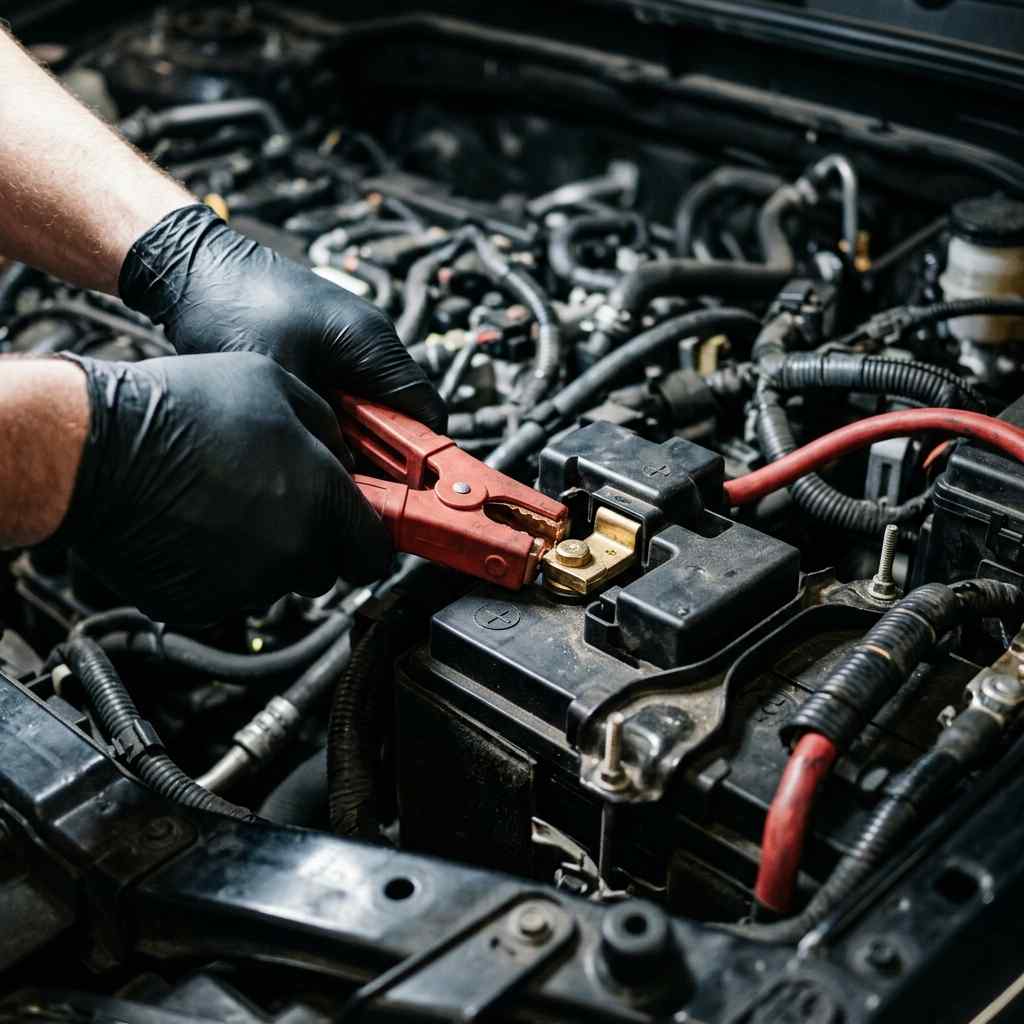
Stabilize battery and network evidence first
Establish the electrical baseline from battery age, measured capacity, charging output, time parked, jump-start events and aftermarket loads. After supply is corrected, rescan to separate persistent vehicle faults from low-voltage event memory.
Save software versions and fault details before resets. Test lighting, climate, infotainment, cameras, parking aids, seat functions, tailgate and both keys one function at a time. A cleared dashboard is not completion evidence.
Separate engine cooling from cabin cooling
Check the heat-exchanger stack for blockage, confirm fan command and speed, examine coolant state, pressure retention and escape points, and log temperature response. Evaluate cabin refrigeration on its own measurements because air-conditioning load alone does not locate an engine cooling fault.
Record whether the concern occurs in traffic, after parking or under sustained load. Use the smallest safe reproduction and allow controlled cooling before inspection.
Locate exhaust and underbody noise before engine work
An Avant body can transmit sound from exhaust valves, shields, mounts, undertrays, heat panels and rear cargo trim. Determine whether a rattle follows engine speed, road surface, gear load or temperature. Inspect recent access work and contact points before assigning the sound to the engine or transmission.
If the noise becomes a heavy knock, appears with oil pressure, severe misfire, smoke or rapid power loss, stop and recover the vehicle.
Make parts and warranty terms visible
The estimate should name genuine, OEM, aftermarket, remanufactured or used parts accurately, identify the manufacturer or source, and explain warranty coverage. Safety, calibration-sensitive and generation-specific components need particular care. A lower figure is not comparable when the part route or related operations are missing.
For a vehicle under manufacturer, extended or third-party cover, confirm the contract and approval process before dismantling. Keep invoices, measurements and completion tests with the service record.
Plan storage and return-to-use checks
For an RS4 parked during travel, record battery support, cold tire pressures, fluid evidence and storage conditions using model-appropriate guidance. On return, inspect for pressure loss, leakage, warning messages, pest damage and abnormal startup before a long or high-load drive.
Historic low-voltage codes after storage should be interpreted with battery data and recurrence. They do not automatically prove a failed controller, but they should not be erased without a record.
Link body repair to the equipment mounted nearby
Map paint, panel gaps and disturbed fasteners to lighting, parking sensors, cameras, radar, cooling ducts and wiring in that location. Windscreen, bumper, wheel or suspension work can create mounting or geometry questions that require calibration evidence. Test current function instead of relying only on a prior invoice.
Inspect underbody panels, jacking points, wheel arches and the rear load area for impact or water evidence. Moisture near modules or wiring needs source tracing before trim replacement.
Use a road route that separates the symptom
Begin with parking maneuvers and low-speed steering, then steady travel, light acceleration, controlled braking and a hot restart. Record whether vibration follows engine rpm, road speed, braking, steering or gear load. This route can distinguish several systems without hard driving.
Re-scan after the route and compare only faults that are current or return. If the complaint requires an unsafe speed, load or public-road maneuver, use an alternative workshop test or state that it was not reproduced.
Verify the owner decision at handover
Restate the original concern, failed test, approved work and conditional findings. Record parts and fluid identity, alignment or adaptation, final scan and the repeated start or driving condition. Check cargo-area and cabin functions if they were affected by access.
When a cold-start, leak or intermittent fault cannot be verified in the same visit, arrange the next observation point. Honest limitations are more useful than a general “all good” statement.

RS4 service questions
Does every RS4 use DRC?
No. Suspension equipment varies by generation and option. Confirm the installed hardware before diagnosis.
Does intake cleaning fix every rough-running RS4?
No. Ignition, fuel, air, pressure and mechanical condition can overlap. Test the affected cylinders and system first.
Can brake condition be estimated from mileage?
No. Identify the brake package and use current measurements, material-specific inspection and use history.
What proves the repair is complete?
The same start, road, temperature or load condition should be repeated, with final scan and measurements recorded.