Verify the complete build
Record VIN, production date, 2.5 TFSI engine code, gearbox, body style, brakes, suspension, wheel set, software and hardware changes.

The RS Q3 combines a five-cylinder TFSI engine, S tronic transmission, quattro hardware, large brakes and compact-SUV packaging. Engine, driveline, cooling and chassis evidence must be read together without turning every symptom into a performance-parts quote.
The five-cylinder sound, strong torque and modified-car market can encourage guesswork. A useful RS Q3 visit starts by preserving the original warning, identifying the hardware and defining a safe evidence stage.
Record VIN, production date, 2.5 TFSI engine code, gearbox, body style, brakes, suspension, wheel set, software and hardware changes.
Note cold or hot operation, rpm, gear, selected mode, boost demand, ambient heat, fuel level, warning order and what changed recently.
Keep the initial scan and failed measurement, then repeat the same safe condition after repair and retain the final result.
Audi’s official technical information confirms the RS Q3 uses a 2.5-liter inline five-cylinder with quattro. That configuration makes engine, gearbox, coupling and chassis evidence closely connected but not interchangeable.
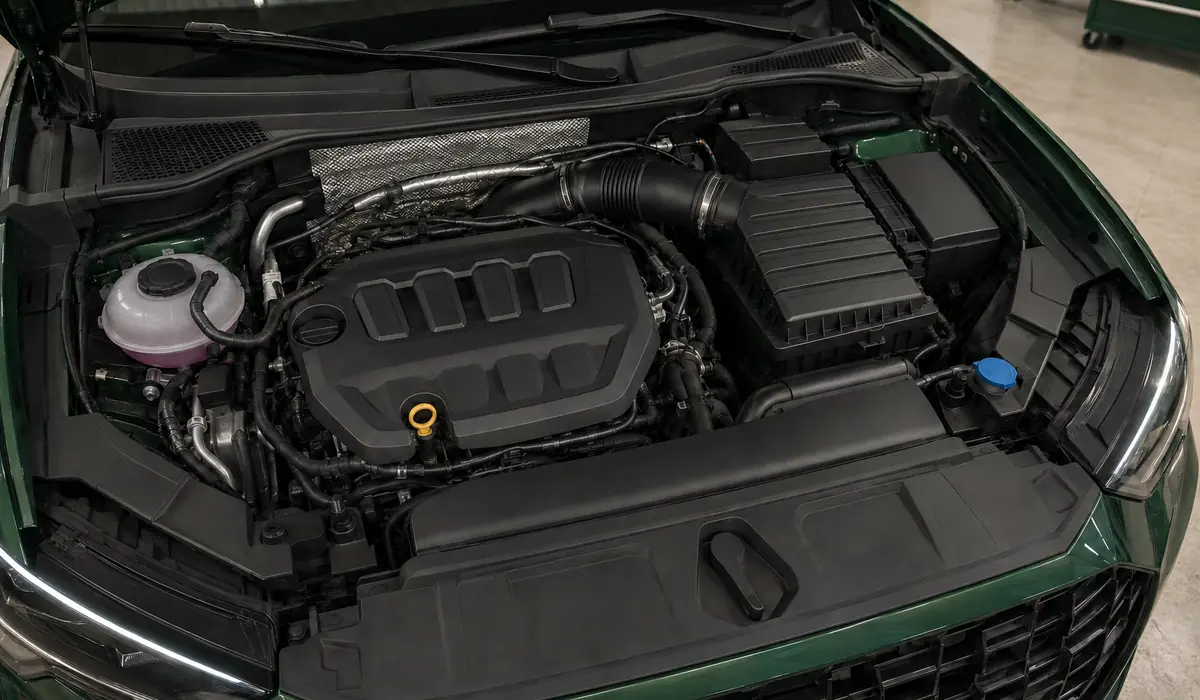
Check cylinder contribution, plugs and coils, fuel pressure, injector behavior, intake sealing, crankcase ventilation and compression where justified.
Check charge-air leakage, requested and actual boost, wastegate or pressure control, ignition intervention, fueling, exhaust restriction and thermal protection.
Check cold engagement, parking behavior, temperature, clutch and pressure data, fluid history, mounts and engine torque intervention.
Check four matching tires, wheel-speed signals, rear-coupling service and control, differential evidence and driveline vibration.
Check disc and hub runout, pad depth, caliper movement, tire and rim condition, suspension joints and alignment evidence.
Check cold pressure, pump and thermostat behavior, airflow, fan control, coolant and charge temperatures, residue and repeat heat condition.
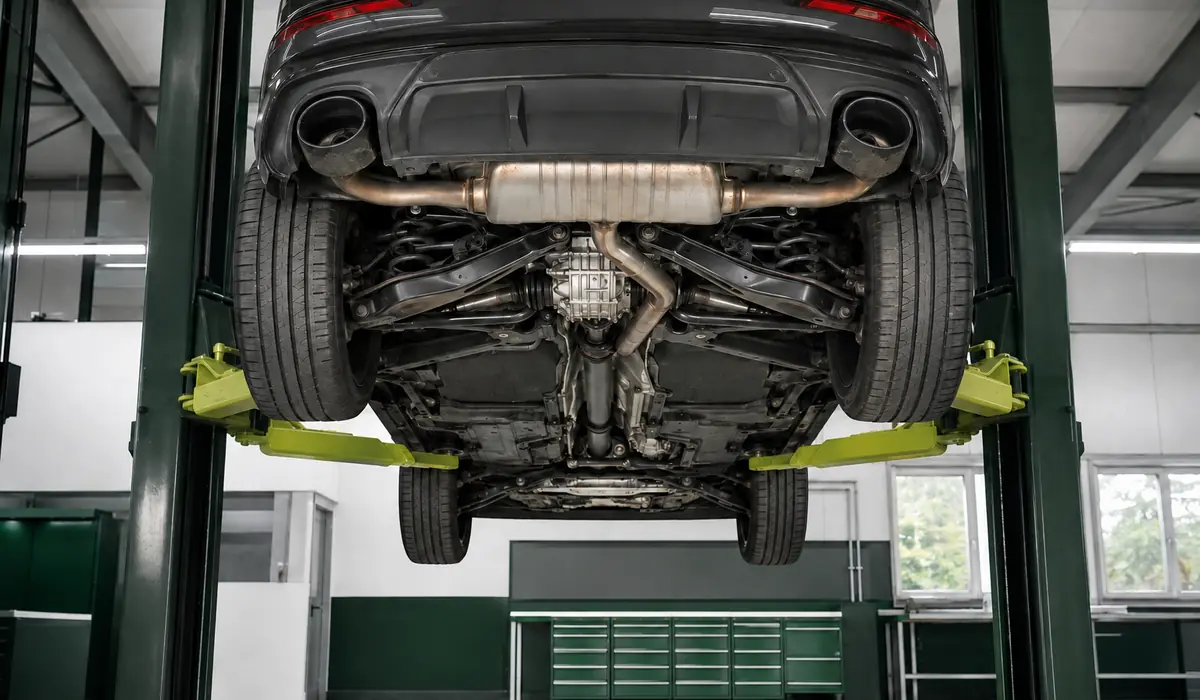
Earlier and later RS Q3 generations use different electronics, gearbox and quattro control, while SUV and Sportback bodies change rear sealing, tailgate, glass and cargo-area inspection.
Official Audi material for the later model documents the 2.5 TFSI five-cylinder, S tronic and quattro package. The VIN, build month, option list and modifications still control the exact workshop procedure.
| Application | Inspection emphasis | Evidence required |
|---|---|---|
| First-generation RS Q3 | Age-related cooling, boost and ignition, gearbox and coupling history, brakes, suspension, wiring and repair quality. | VIN, powertrain codes, invoices, import history, tire set and modifications. |
| Later RS Q3 SUV | Five-cylinder combustion and boost, S tronic, quattro, cooling, brake heat, driver assistance and tailgate systems. | Build month, installed options, warnings, controller record and calibration history. |
| RS Q3 Sportback | Same powertrain evidence plus roofline, rear glass, tailgate, drainage, cargo wiring and body-repair consequences. | Body style, collision and glass history, keys, water paths and sensor calibration. |
| Modified vehicles | Calibration, intake, exhaust, fueling, cooling, suspension, wheels, tires and brakes assessed as one compatibility record. | Baseline software and fault record, part identities, installer evidence and current road-use context. |
Record ambient temperature, traffic time, engine speed, gear, selected mode and recovery. Compare coolant and charge temperatures, fan and pump command, ignition intervention and requested torque without repeated maximum acceleration.
Large brakes and wheels require measured pad depth, disc and hub runout, caliper movement, tire condition and heat evidence. A single high-temperature observation cannot establish remaining life.
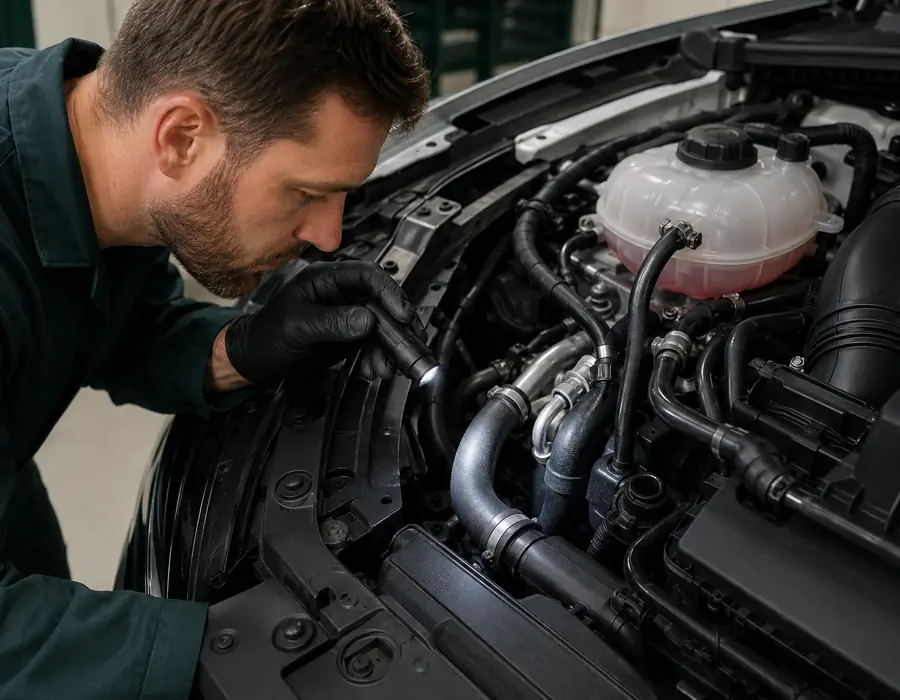
Use VIN-specific oil approval, filters, plugs, brake fluid and fitted gearbox and quattro service procedures, recording quantities and completion conditions.
Measure tires, brakes, joints, mounts, battery, cooling and leakage. Modified parts require compatibility and condition checks.
Name the failed test, access, parts source, one-time hardware, software, calibration and the repeat condition that proves completion.
Use the Audi maintenance schedule, parts guide and fault-code guide for supporting decisions. The exact vehicle remains controlling.
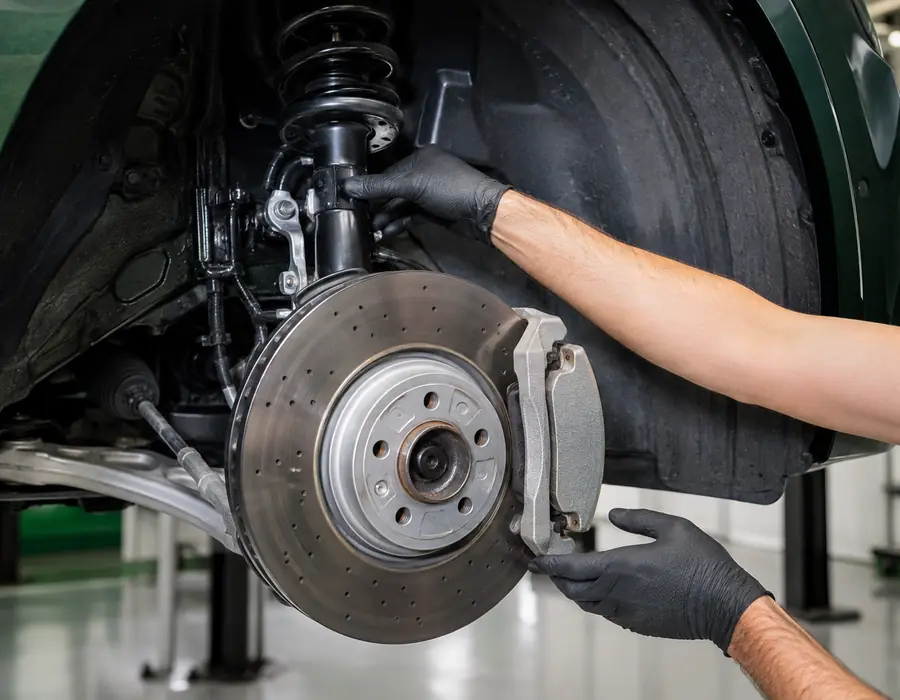
Relate windscreen, bumper, suspension and wheel work to camera, radar, parking-sensor and steering geometry. Correct mechanical or mounting faults before calibration.
Inspect Sportback or SUV tailgate, rear glass, drains, cargo wiring, keys, lighting, climate and infotainment. Trace water entry and nonfactory wiring before module replacement.
Keep the engine cold, save the complete scan, verify software and hardware changes, inspect the underside and cooling openings, and measure every tire and brake before driving.
Check identity, keys, GCC or imported specification, collision repairs, service evidence, calibration history, tire matching and signs of recently cleared faults.
Use parking maneuvers, steady speed, one bounded acceleration, progressive braking and hot restart. Re-scan and price only measured maintenance and confirmed defects.
The established RS Q3 generations use a 2.5 TFSI five-cylinder, but the exact engine code and market specification still need confirmation.
No. Charge leaks, pressure control, ignition, fueling, sensors, exhaust restriction and mechanical condition can produce similar evidence.
No. Modifications change the reference and compatibility checks, but each failure still needs measured evidence and applicable written warranty terms.
The failed system, access, parts source, fluids, hardware, software, wheel or brake specification, alignment, calibration and verification.
Include VIN, mileage, warning photos, rpm, gear, selected mode, cold or hot trigger, recent work and modifications.