
Audi Q8 e-tron Repair and Service in Dubai
The Audi Q8 e-tron is the updated large electric SUV that followed the original Audi e-tron nameplate. Earlier vehicles remain covered by the separate original Audi e-tron repair page. It combines revised battery choices, front and rear electric drive, four connected thermal circuits, air suspension, brake recuperation and model-dependent charging hardware. Correct repair starts by distinguishing Q8 e-tron, Sportback and SQ8 equipment, then testing the complaint at the battery state and temperature where it occurs. For smaller electric SUVs, compare the Q4 e-tron service page and the newer Q6 e-tron diagnostic route. Wheel and quattro-related decisions should also use the Audi tire guide for UAE roads.
Stop after impact, heat, smoke or a serious isolation warning
Secure the area and request specialist recovery after an underbody strike exposes the battery casing or orange wiring, or when fumes, abnormal heating, water ingress or a critical isolation message appears. Never handle the affected area or attempt high-voltage disconnection. Arrange a condition-appropriate recovery response.
Ask before driving when propulsion is repeatedly limited, the vehicle shuts down, gear selection is unreliable, or braking, steering, tires or suspension behavior changes. A charging failure without damage may be handled as a booked diagnostic concern, but it does not make the vehicle safe for improvised electrical work.
Confirm whether the vehicle is the original e-tron or the later Q8 e-tron
The Q8 e-tron is the updated large electric SUV that followed the original Audi e-tron naming. Battery choices, charging behavior, motor strategy, thermal control, software and equipment can vary by derivative and production date. Use the VIN and installed part or software information rather than copying a procedure from an earlier e-tron or a Q4 or Q6 model.
Record the exact charge curve concern, battery state of charge, outside temperature, route preparation, charger identity and station message. For a range complaint, also measure tire pressure, alignment, brake drag, climate demand and recent driving. Displayed range changes with conditions and cannot identify battery health by itself.

After underbody or curb impact, inspect wheels, tires, protective panels and the battery-area structure before road testing. Visible enclosure damage or an isolation event moves the case into controlled high-voltage assessment.
Do not merge early e-tron and Q8 e-tron specifications
The Q8 e-tron continued the large electric SUV line with updated batteries, charging capability and model identification. The exterior resemblance to the earlier e-tron does not make every high-voltage, cooling, drive or body part interchangeable.
Q8 e-tron SUV
Confirm battery derivative, front and rear drive equipment, wheel package, air-suspension options and charging configuration through the VIN.
Q8 Sportback e-tron
The sloping rear body changes glass, hatch and cargo-area details. Water entry or rear electrical concerns need body-specific inspection.
SQ8 e-tron
Performance hardware and three-motor configuration in applicable versions change powertrain data, thermal load, brakes and tire requirements.
Read the Q8 e-tron as a moving heat map
Audi’s thermal system links the battery, electric motors, power electronics, charger and cabin. A cooling concern may appear only when high ambient temperature, fast charging, sustained load and cabin demand occur together.
| Thermal area | Workshop observation | Repair proof |
|---|---|---|
| High-voltage battery | Temperature spread, requested conditioning, coolant flow, pump and valve response during charge and drive | Stable temperatures and expected charge or output behavior under a comparable load. |
| Drive units | Front and rear motor temperature, inverter limits, torque request and coolant performance | No renewed thermal reduction when the original acceleration or highway condition is repeated. |
| Onboard charging | Inlet temperature, charger events, AC session current, communication and cooling demand | A complete supported charging session with normal connector behavior and retained data. |
| Cabin climate | Vent temperature, refrigerant circuit, electric compressor, heat-pump operation and battery demand | Cabin output remains stable without producing an unexplained battery thermal restriction. |
Turn the Q8 symptom into a controlled workshop test
The flap, latch or session behaves incorrectly
Check the correct side and fitted inlet arrangement, visible contamination, lock operation, charge settings and controller events. Separate a mechanical flap issue from communication or power transfer.
The estimate falls faster than expected
Recreate the route while recording consumption, speed, climate load, tire pressure and battery temperature. Add brake-temperature and alignment checks before battery conclusions.
The SUV leans or changes height slowly
Measure all corners after a controlled parking period. Test leakage, reservoir and compressor behavior, valve control, sensors and links before calibration.
Power is limited without mechanical noise
Read battery output permissions, motor and inverter temperature, traction events and network faults. The limiting controller may be protecting another system.
The pedal or deceleration feels inconsistent
Inspect hydraulic and friction components, then test recuperation blending with wheel-speed and brake data. Tire or road conditions can alter the driver’s impression.
Several warnings appear at startup
Assess 12-volt capacity, sleep current, wake-up sequence and network communication. Preserve the first startup event before clearing anything.
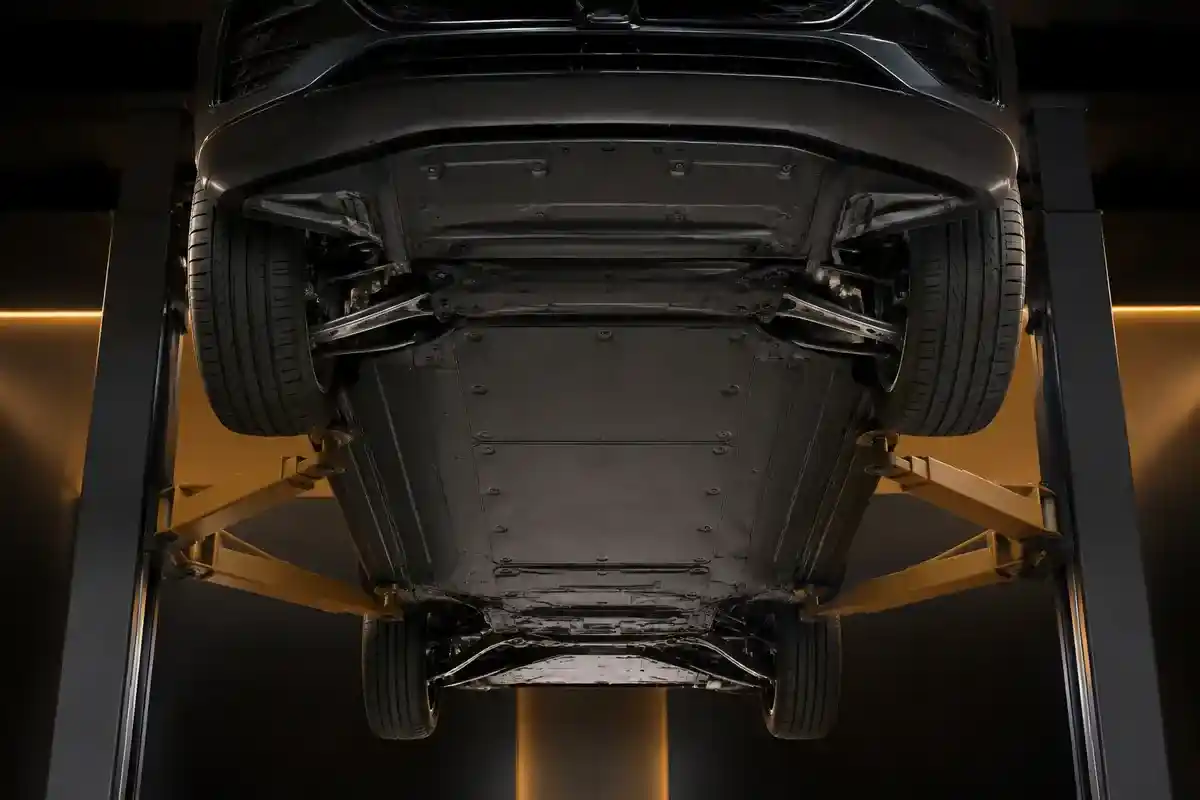
Separate battery enclosure, internal battery and support-system work
An underbody impact may damage protection panels or nearby structure without proving cell damage. Conversely, a clean exterior does not exclude an isolation or internal module concern. Inspect safely, read battery management data and follow the supported high-voltage procedure for the exact build.
External coolant plumbing, charge inlets, sensors, contactor control, 12-volt supply and software can affect the pack without requiring battery opening. If internal work is supported, the scope should state isolation controls, sealing, parts identity, commissioning and post-repair tests. Full pack replacement should be an evidence-led decision, not a default response to one warning.
Check brakes, tires and air suspension with numbers
Brake surfaces and hydraulic operation
Measure discs and pads, inspect corrosion and caliper movement, check fluid condition and distinguish friction-brake vibration from wheel or suspension faults.
Tire specification and axle matching
Record approved size, load and speed rating, pressure, age, repairs, tread pattern and circumference. Large wheels do not excuse incorrect fitment.
Ride-height baseline
Measure every corner in a defined mode and after parking. Compare scan data with physical height before replacing an air spring, valve block, sensor or compressor.
Geometry and calibration sequence
Repair mechanical wear, set tire pressures and complete alignment before calibrating fitted assistance systems. Otherwise the calibration rests on a moving baseline.
Inspect the expensive systems at the conditions that reveal them
Verify the VIN, market, battery derivative, keys, cables, service evidence and software history. Ask about charging interruptions, underbody impact, coolant repairs, air-suspension work, wheel changes and any collision involving sensor alignment.
Observe ride height before the vehicle is moved. Scan it cold, inspect the battery enclosure and cooling areas on a lift, then perform a road test long enough to evaluate motor response, braking transition, steering, vibration and climate demand. Finish with another scan and, where practical, a charging session.
A useful purchase report separates immediate safety work, due maintenance, consumable wear, charging accessories and diagnosed faults. Decline a transaction that prevents independent scanning, underbody access or confirmation of the exact battery and market specification.
Battery damage, smoke and unusual heat require distance and recovery
After flooding, severe underbody impact, visible orange-cable damage, smoke, hissing, unusual heat or a critical isolation warning, do not inspect the high-voltage area yourself. Keep people clear and arrange an appropriate recovery response. Tell the receiving workshop exactly what happened so the vehicle can be placed and assessed safely.
A Q8 e-tron height warning can begin in five different places
An air spring or line may leak, the valve unit may not distribute pressure correctly, the compressor or reservoir may not build pressure, a height sensor or link may report the wrong position, or the electrical supply may interrupt operation. Calibration can also be incorrect after suspension or alignment work. Each possibility produces a different repair boundary.
Start by parking the Q8 e-tron on level ground in a defined mode. Measure all four corners, note ambient temperature and record how long the vehicle sits. Listen for compressor activity without repeatedly commanding height changes. Compare the physical measurements with controller values before moving the car.
If one corner drops, isolate the rate and location of loss with appropriate methods. If all corners respond slowly, test compressor output, current draw, temperature protection, reservoir behavior and supply voltage. A compressor damaged by continuous operation may be a consequence of an earlier leak.
After replacing pneumatic or mechanical components, set the correct tire pressures, repair worn joints and establish alignment. Only then complete ride-height and assistance-system calibration where required. The final report should include before and after measurements, not only a cleared suspension warning.
Separate access hardware from the electrical charging path
The powered flap, its switch or mechanism can fail independently of charging communication. Inspect alignment, contamination, impact and lock operation before treating the problem as an onboard charger fault. Do not force the flap or connector because secondary damage can complicate the original repair.
If the plug connects but charging does not start, record the indicator sequence, user schedule, charger message and whether another compatible source succeeds. Check low-voltage readiness, inlet detection, locking and controller events. During an active session, inspect for abnormal heating and compare requested current, battery temperature and cooling response.
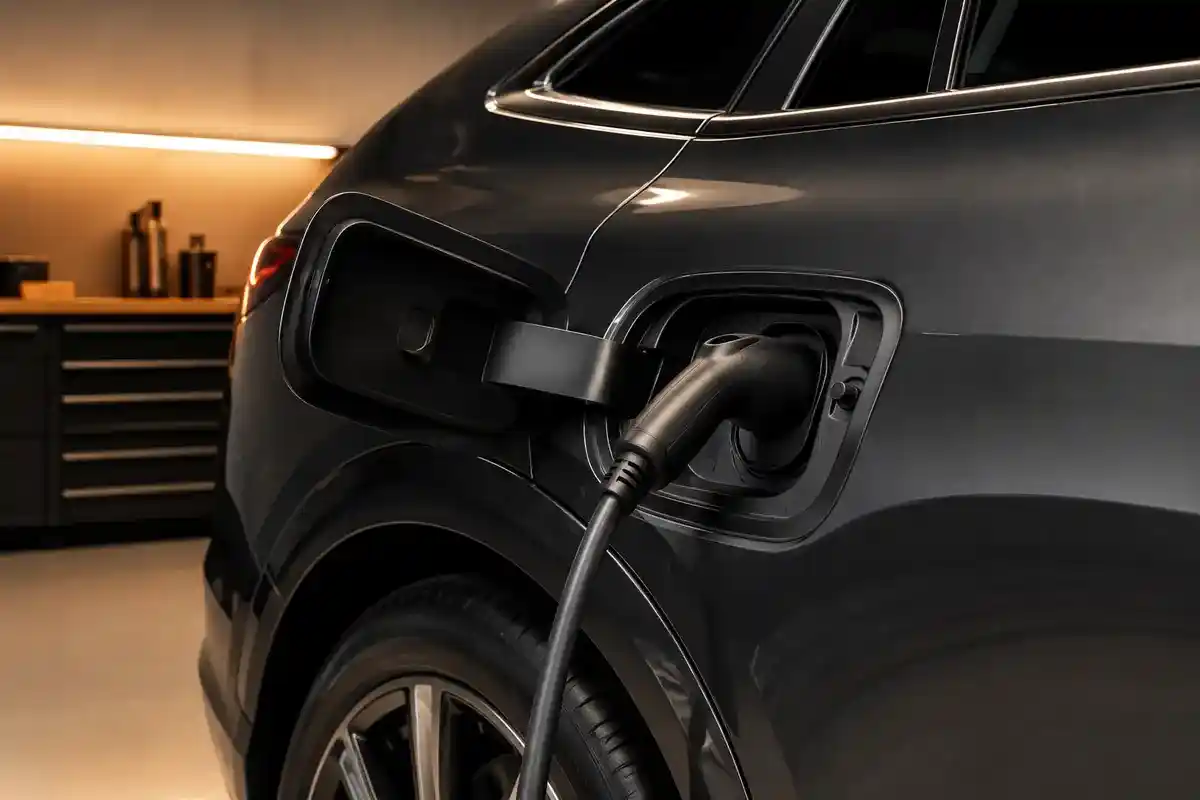
Handover should prove both functions. The flap and latch must operate normally, and the Q8 e-tron must complete the relevant AC or DC session at a useful state of charge. One working opening cycle without energy transfer does not close a charging complaint.
Audi Q8 e-tron repair FAQs
How is Q8 e-tron different from the earlier Audi e-tron?
The Q8 e-tron is the updated successor with revised battery and charging specifications. VIN and production-date information should guide parts and procedures.
Why can fast-charging performance change during Dubai summer?
Battery temperature, coolant flow, station output, starting state of charge and recent driving all affect the session. Compare data before assuming battery damage.
Does uneven ride height mean the Q8 air compressor failed?
Not necessarily. Air leakage, valve control, level sensors, links, wiring, compressor output and calibration all need testing.
Why might Q8 e-tron brakes show corrosion?
Regenerative braking can reduce friction-brake use. Moisture, parking conditions and caliper behavior still affect discs, so inspect and measure the system.
Is a battery replacement the first answer to reduced range?
No. Review consumption, climate load, tires, brake drag, thermal performance, software estimates and battery data before defining any pack repair.
What information is useful for a Q8 e-tron estimate?
Provide VIN, derivative, mileage, warning photos, charger details, state of charge, symptom timing, recent repairs and any collision or underbody history.
Plan a Q8 e-tron inspection in Al Quoz 4
Share the build year, VIN, exact derivative, charging behavior, dashboard message and any air-suspension, tire, brake or cooling symptoms before arrival.