
Audi S6 Repair and Service in Dubai
The S6 name covers very different cars: naturally aspirated V8 and V10 generations, later twin-turbo V8 applications, and newer V6 mild-hybrid configurations in some markets. The safe starting point is the VIN, engine and gearbox code, fitted suspension and electrical architecture. A familiar badge cannot select oil approval, cooling tests, transmission procedure or parts.
Identify the S6 before opening a repair route
Powertrain identity
Confirm chassis generation, engine code, induction system, transmission and quattro hardware. Record software or hardware modifications because they change the diagnostic reference.
Current evidence
Save the full warning sequence, all-controller scan, battery voltage, temperature, fluid level and symptom conditions before clearing adaptations or fault memory.
Transport decision
Use recovery for a red pressure or temperature instruction, smoke, strong fuel smell, rapid leakage, heavy internal noise, unsafe steering or brakes, damaged tires or unpredictable drive engagement.
For the neighboring body style, see the Audi S5 repair page. The later Sportback is covered by the Audi S7 repair page.
Test V10, V8 turbo and V6 mild-hybrid cars differently
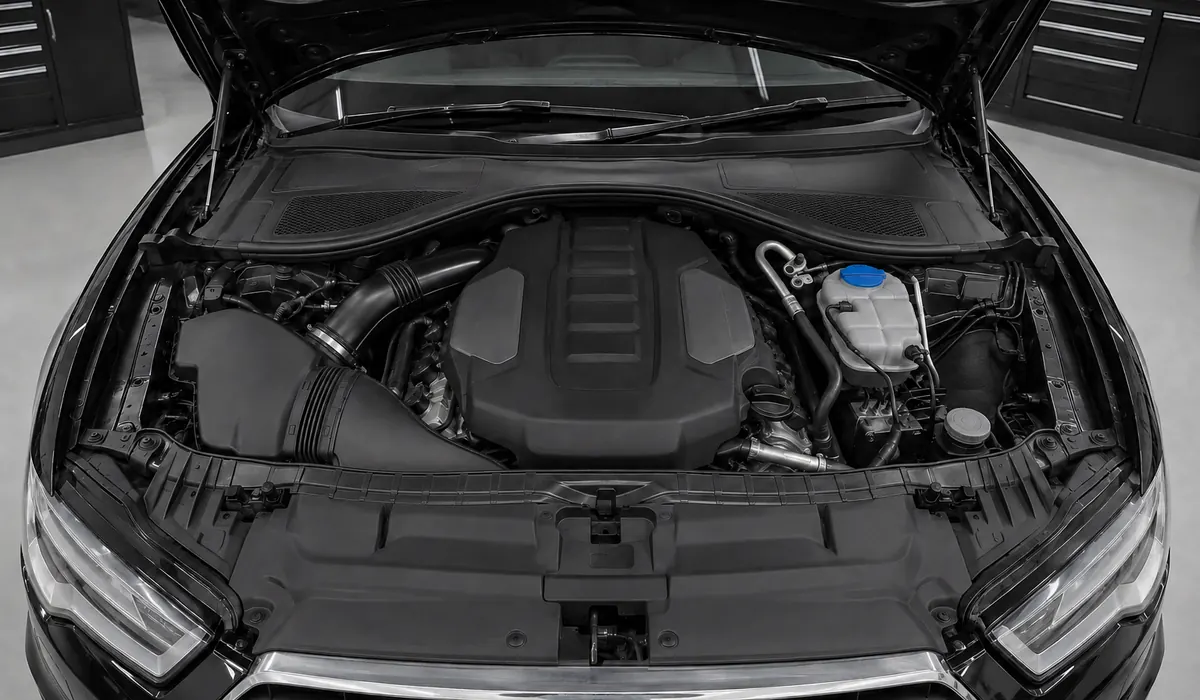
On a naturally aspirated engine, compression, ignition, fueling, intake control, cooling and mechanical timing evidence lead the test plan. On relevant 4.0 TFSI cars, charge-air integrity, turbo control, crankcase ventilation, heat management and documented lubrication updates may become important. Do not assume a turbocharger fault from an underboost code alone.
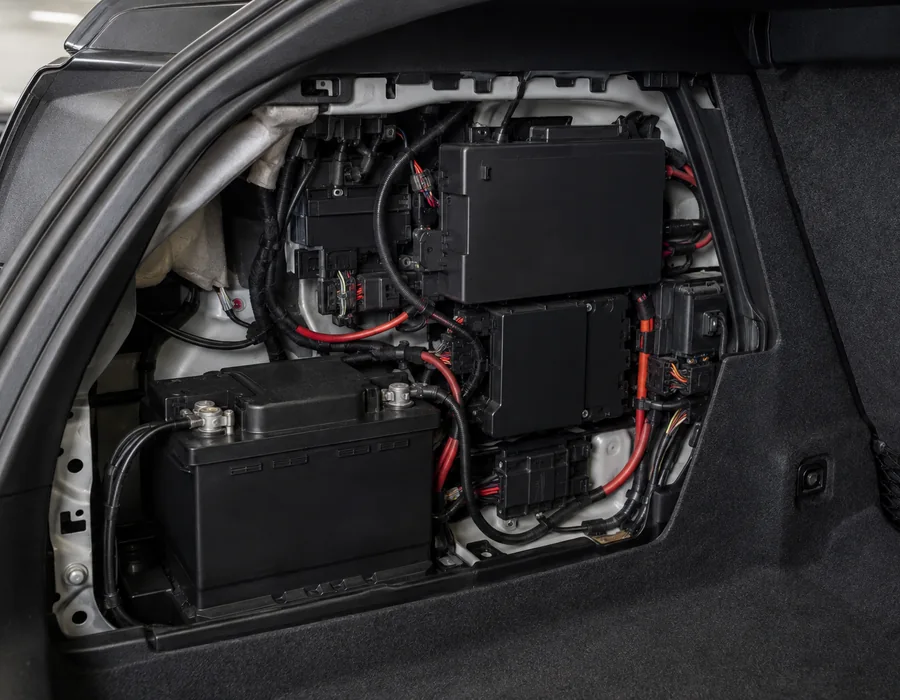
Newer V6 mild-hybrid cars add a 48-volt network, belt starter-generator and related energy management. Low-voltage supply, communication and thermal behavior can create several warnings from one root cause. Only trained personnel should access high-current electrical components.
Choose measurements from what the S6 actually does
Power falls after heat builds
Log requested and actual charge, ignition correction, fuel pressure, coolant and intake temperature, fan operation and electrical supply while reproducing the complaint at the lowest safe load.
Rattle or oil-pressure concern
Stop for a red instruction. Verify level and approval, inspect external leakage, save pressure-related fault data and measure mechanical pressure where the procedure requires it before internal conclusions.
Harsh shift or driveline vibration
Identify the gearbox, compare cold and warm selection, inspect mounts and shafts, measure all four tires and review wheel-speed data. Separate engine torque intervention from transmission or differential behavior.
Ride height or chassis warning
Measure each corner on level ground, test supply voltage and scan the suspension controller. Check air leakage, sensors, wiring, valve control and compressor duty rather than replacing the most visible component.
Build S6 service around codes, time and measured wear
Start with the Audi maintenance schedule, then confirm oil, coolant, gearbox, differential and brake-fluid requirements in the fluids and specifications guide. Dubai heat and traffic can justify more frequent condition checks, but they do not create a universal interval for every S6.
Record part numbers, approvals, quantities, operating temperature, scan results and post-service checks. Brakes and tires should be measured, not described as good or bad. A useful invoice also states any monitored condition and the trigger for returning earlier.
Price the first year only after a cold and warm inspection
Confirm identity, import specification, keys, service invoices, accident history and modifications. Observe a genuine first start, scan every controller, inspect cooling openings and underbody condition, and measure tires, brakes and suspension height. Drive only when safe, then rescan at operating temperature.
Separate immediate safety work, overdue maintenance, confirmed repair and future monitoring. Refusal of independent scanning, lift access or a true cold start materially weakens the purchase evidence.
Close the S6 job against the original trigger
Estimate from the failed test
Separate diagnostic labor, confirmed parts, access-dependent items and optional maintenance. A C6 V10 cooling repair, a C7 turbo lubrication concern and a C8 electrical-network fault have different access, tooling and completion evidence. The estimate should state what has been proved and which additional findings still require approval.
Repeat the event
After repair, recreate the cold start, heat soak, shift, cornering load, ride-height change or voltage condition that exposed the problem. Save the final scan, note measured values and identify any controller adaptations or calibration completed.
If a symptom is intermittent and does not return, provide a monitoring plan with the exact warning, temperature, sound or behavior that should trigger an earlier workshop visit. Do not label an unreproduced fault as permanently resolved.
Audi S6 repair FAQs
Does every Audi S6 use a V8 engine?
No. Engine families vary by generation and market, including V10 and newer V6 applications. Confirm the engine code.
Can a battery problem trigger several S6 warnings?
Yes. Weak supply or network disruption can affect multiple controllers, but the battery and charging system still need testing before replacement.
What information helps an S6 estimate?
Send the VIN, year, mileage, exact warning, symptom conditions, repair history, modifications and whether the car can be moved safely.
Arrange Audi S6 diagnosis in Dubai
Send the VIN and the conditions that reproduce the concern. The workshop can then reserve the correct diagnostic path instead of starting with a generic service package.