Decode the actual SUV
Record VIN, build month, petrol or diesel powertrain, gearbox, suspension, brake package, wheel fitment, body style and market source.

The Audi SQ5 spans supercharged petrol, turbocharged petrol and market-specific diesel generations, with different transmissions, quattro systems, chassis options and electrical architectures. The VIN and installed equipment must select the test route.
Generic Q5 advice does not cover the SQ5 powertrain, brake, tire, suspension and thermal loads. A reliable estimate begins by separating identity, operating event and the failed system.
Record VIN, build month, petrol or diesel powertrain, gearbox, suspension, brake package, wheel fitment, body style and market source.
Note cold start, traffic heat, towing or payload, parking maneuver, selected mode, speed, gear, outside temperature and warning sequence.
Define the scan, pressure, temperature, voltage, chassis or driveline checks before any larger assembly is priced.
An SUV load, performance tune and quattro system can make symptoms overlap. Preserve data before clearing and isolate the affected branch.
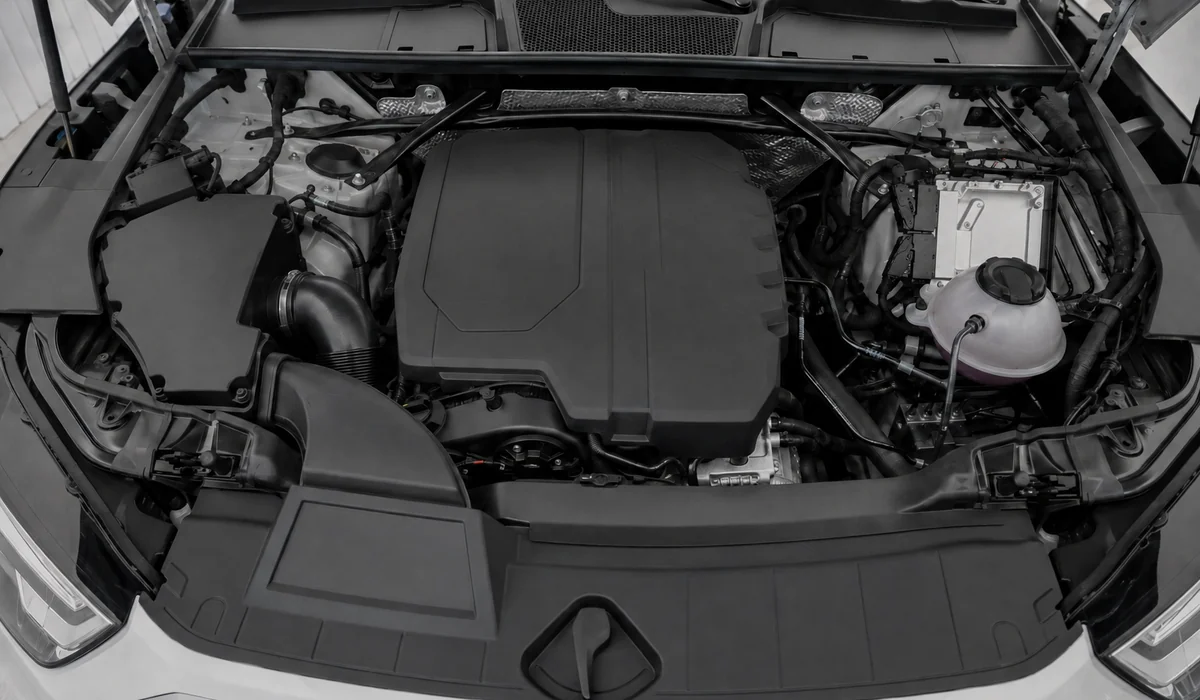
Check ignition and fuel balance, charge leakage, requested and actual boost, crankcase ventilation, exhaust restriction and thermal protection.
Check cold pressure, residue path, pump and thermostat behavior, fan command, airflow and generation-specific charge cooling.
Check cold selection, gearbox temperature and history, mounts, differential evidence, tire matching and load-dependent vibration.
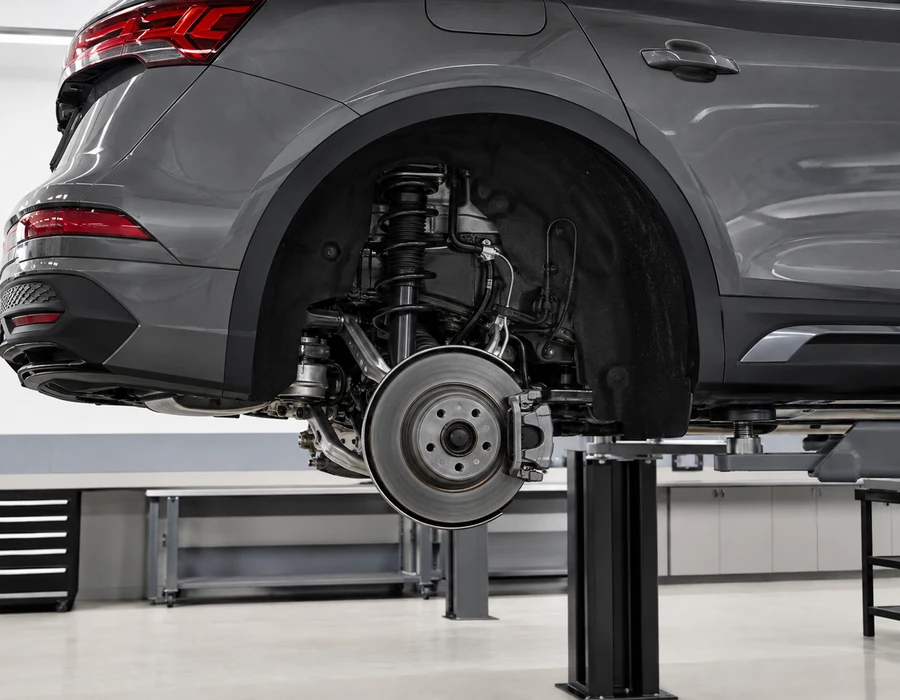
Check installed suspension, corner heights, dampers or air leakage where fitted, joints, alignment and level-sensor data.
Check disc and hub runout, pad depth, caliper movement, tire load rating, rim damage, geometry and heat evidence.
Check battery capacity, charging, grounds, sleep current and fault chronology before module replacement.
Earlier SQ5 applications can use a supercharged petrol V6, later cars may use turbocharged petrol or diesel powertrains, and the latest official Audi material adds mild-hybrid-supported petrol variants.
SUV and Sportback bodies, imports, suspension options and software history can change access, fluids, calibration and parts. Confirm the car rather than transferring a procedure from another market.
| Application | Inspection emphasis | Evidence required |
|---|---|---|
| Earlier petrol SQ5 | Supercharged engine, charge cooling, cooling modules, Tiptronic behavior, mounts, quattro and age-related chassis wear. | VIN, engine and gearbox codes, service invoices, modifications and cold or hot trigger. |
| Later petrol SQ5 | Turbo and charge path, thermal management, transmission, electronics, driver assistance and chassis options. | Build month, installed options, software history, warning text and controller record. |
| Diesel SQ5 imports | Diesel air and fuel management, emissions equipment, turbo system and market-specific electrical architecture. | Market source, fuel and emissions specification, import history and exact powertrain codes. |
| Latest mild-hybrid-supported SQ5 | Powertrain generator or associated electrical support where fitted, network, thermal management and commissioning. | Full VIN decode, 12-volt and higher-voltage system identity, option list and calibration history. |
Record four tire sizes, load ratings, pressures, tread depths and rim condition. Confirm gearbox and differential maintenance, wheel-speed data and whether vibration follows engine rpm, road speed, steering, braking or payload.
Correct mechanical play and tire mismatch before alignment or calibration. A heavy vehicle with large wheels can expose brake and suspension wear without proving a quattro failure.
Use VIN-specific intervals and approvals for engine oil, filters, plugs, brake fluid and each fitted gearbox or differential circuit.
Measure tires, brakes, joints, dampers, battery, cooling performance and leakage instead of replacing items from mileage alone.
Connect each proposed component to a failed test, access labor, seals, one-time hardware, coding and repeat verification.
Use the Audi maintenance schedule, parts guide and fault-code guide for supporting decisions. The exact vehicle remains controlling.
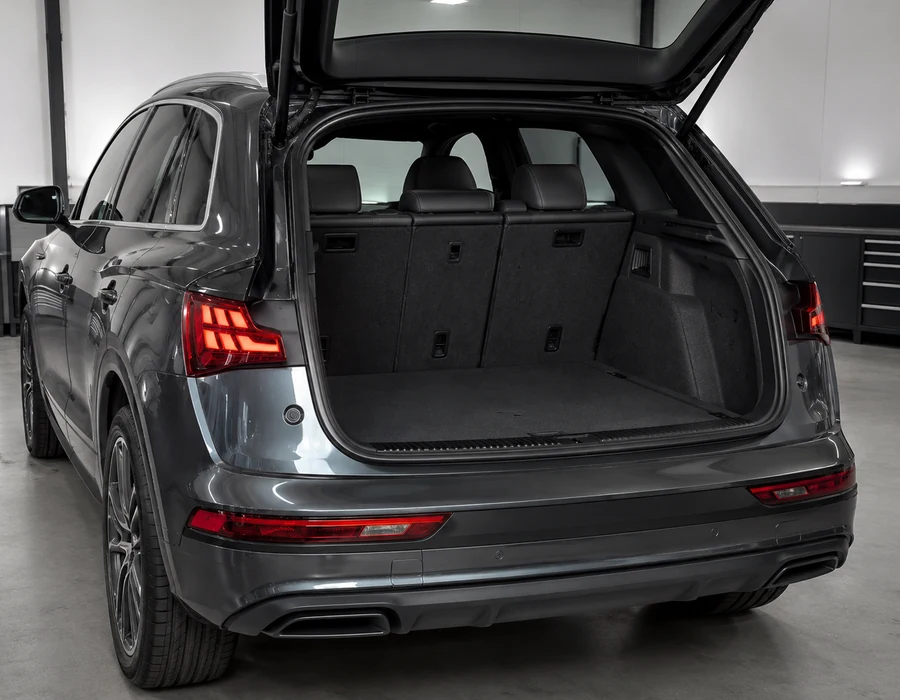
Inspect tailgate alignment, latch and drive hardware, rear camera, cargo-area wiring, drains, roof equipment and water paths. A family SUV can hide moisture or harness damage beneath trim.
Relate windscreen, bumper, wheel and suspension work to cameras, radar, parking sensors, steering geometry and calibration. Test both keys, lighting, climate and infotainment individually.
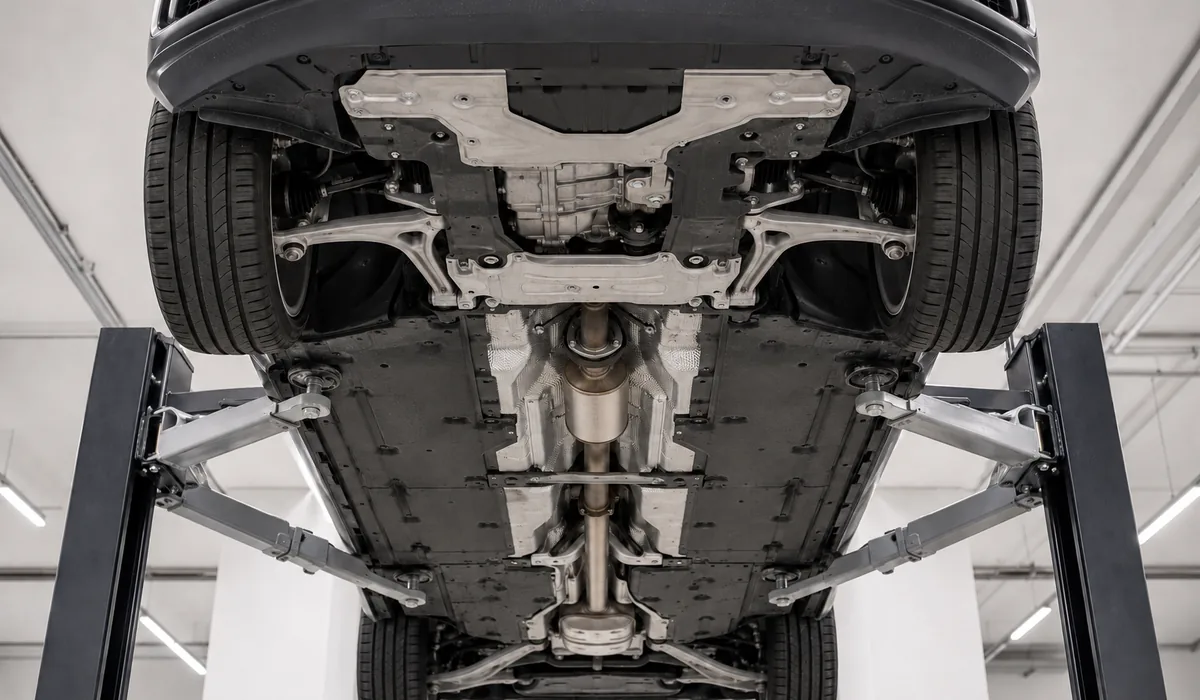
Preserve the first start and scan, inspect underbody and cooling openings, measure brakes and tires, then test parking, steady speed, bounded acceleration, braking and hot restart without using a launch demonstration.
Check chassis identity, petrol or diesel market, keys, collision work, service evidence, modifications, payload hardware, leakage and recently cleared faults.
Re-scan after the route and separate scheduled maintenance, measured wear, confirmed defects and unresolved risk before valuing the car.
No. The SQ5 spans supercharged petrol, turbocharged petrol and market-specific diesel applications, with newer mild-hybrid-supported variants.
Yes. Record all four tire sizes, types, pressures and tread depths before deciding the driveline has failed.
No. Mechanical condition and leakage must be corrected before ride-height calibration where air suspension is fitted.
Powertrain identity, confirmed failure, access, parts source, fluids, hardware, coding, alignment, calibration and final verification.
Include mileage, warning photos, cold or hot trigger, payload or towing context, recent work and modifications.