
An Audi SQ8 combines a high-output powertrain with tightly connected chassis, electrical, cooling, braking and driver-assistance systems. Correct diagnosis starts with the VIN, build data and installed equipment. It does not start by copying an S6, Q8 or RS Q8 repair list.
Send SQ8 detailsUse the Audi SQ7 repair page for the seven-seat platform and the Audi S8 repair page for the flagship sedan. Service planning should follow the Audi maintenance schedule guide.
SQ8 specifications differ by generation, market and import history. Powertrain type, emissions equipment, transmission, suspension, steering, brake package and driver-assistance options can change the test plan. Even apparently identical vehicles may need different fluids, hardware or calibration steps.
Record the VIN, registration market, build date, engine and gearbox codes. Note whether the vehicle is GCC specification or imported, and compare the installed equipment with the option list.
Write the exact warning text, temperature, speed, drive mode and whether the concern appears after a cold start, during boost, in slow traffic, over bumps or after refueling.
Collect invoices, scan reports, coding records and calibration history. Modified intake, exhaust, suspension, wheel or engine software can change both diagnosis and warranty boundaries.
A performance SUV can continue moving while a fault is becoming expensive or unsafe. The goal is not to diagnose beside the road. The goal is to prevent secondary damage and arrange the correct inspection.
Stop safely and arrange recovery for a red oil-pressure or temperature warning, steam, rapid coolant loss, brake-pedal change, serious steering change, severe vibration, smoke, fuel smell or reduced ride height with tire contact.
A short, gentle trip may be reasonable only when the vehicle remains stable, temperatures are normal and there is no fluid loss, harsh shift, misfire or safety-system change. Avoid high load and monitor the warning.
Save the warning message and note the trigger. Do not clear codes or disconnect the battery before the scan because freeze-frame and event data can show the conditions that created the fault.
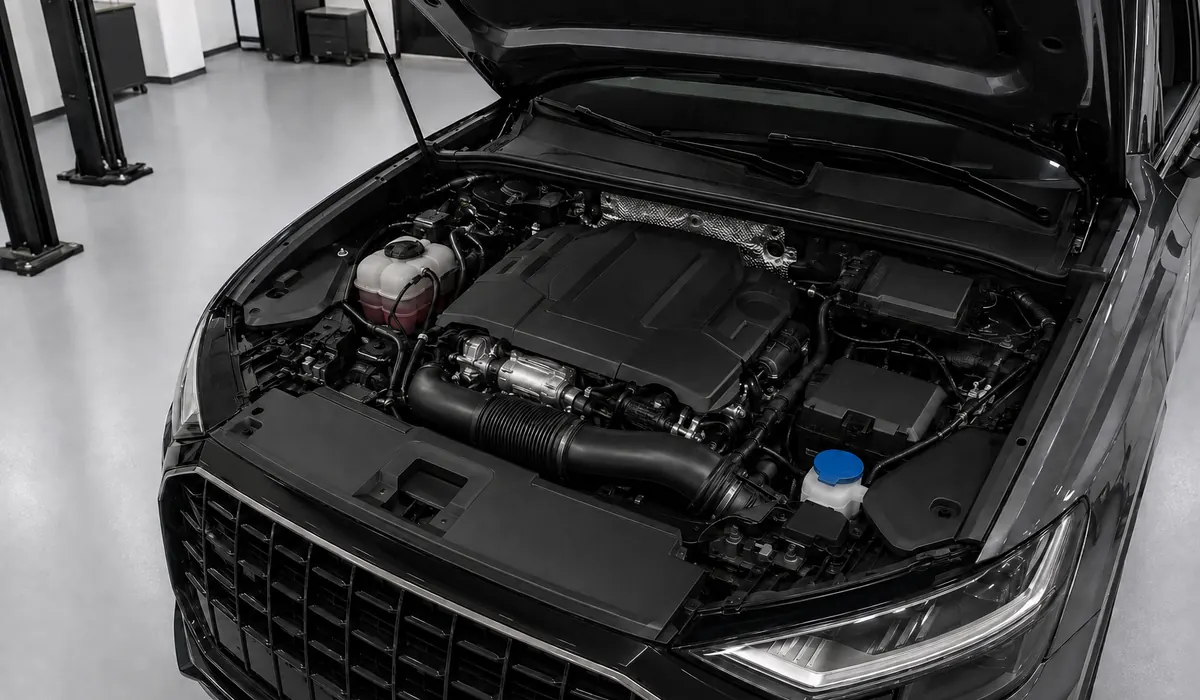
SQ8 faults can cross system boundaries. Low voltage may create communication events; temperature control may affect power; tire mismatch may influence driveline behavior; and a chassis fault may limit driver-assistance functions. Diagnosis should establish the initiating fault before replacing dependent components.
Begin with battery state, charging behavior, grounds, voltage drop and a complete vehicle scan. Where the installed SQ8 uses 48-volt equipment, follow isolation and manufacturer safety procedures. Do not treat several undervoltage communication codes as proof that several modules failed.
Confirm oil approval and level, pressure-test a cold cooling circuit, inspect fresh residue, and compare requested with actual airflow and boost. Smoke testing, actuator checks and temperature data should identify a leak or control fault before turbocharger or major engine work is proposed.
Identify the gearbox and driveline variant. Save fault data, check fluid history and leaks, then assess engagement, shifts and load response from cold through operating temperature. Equal tire circumference and correct pressures are part of quattro diagnosis.
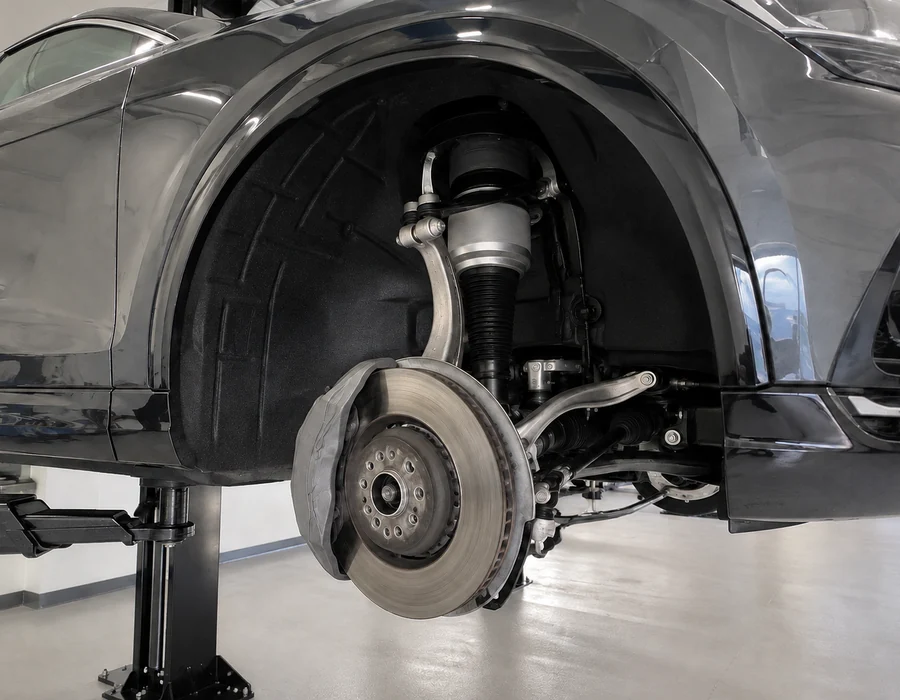
Record corner heights before cycling modes. Inspect air springs, lines, compressor activity, valve control, level sensors and mechanical joints. Calibration follows repairs and correct tire pressure; it cannot compensate for an air leak or worn suspension part.
Check joints, bushings, wheel runout and alignment evidence. If all-wheel steering or active roll equipment is installed, scan it as part of the vehicle network and follow the applicable calibration sequence after mechanical work.
Record pad and disc condition, caliper movement, fluid age, tire specification, wheel damage and wear pattern. Separate brake judder from wheel, hub, suspension or driveline vibration instead of ordering discs from a road-test impression.
Cameras and radar depend on voltage, fault-free networks, correct ride height, wheel alignment and undamaged mounting positions. Repair those prerequisites before calibration, then document targets, setup and successful completion.
Inspect water paths, tailgate operation, door electronics, seat equipment and climate performance according to the complaint. A blocked drain or weak supply can affect several modules, so identify the shared cause before changing individual controls.
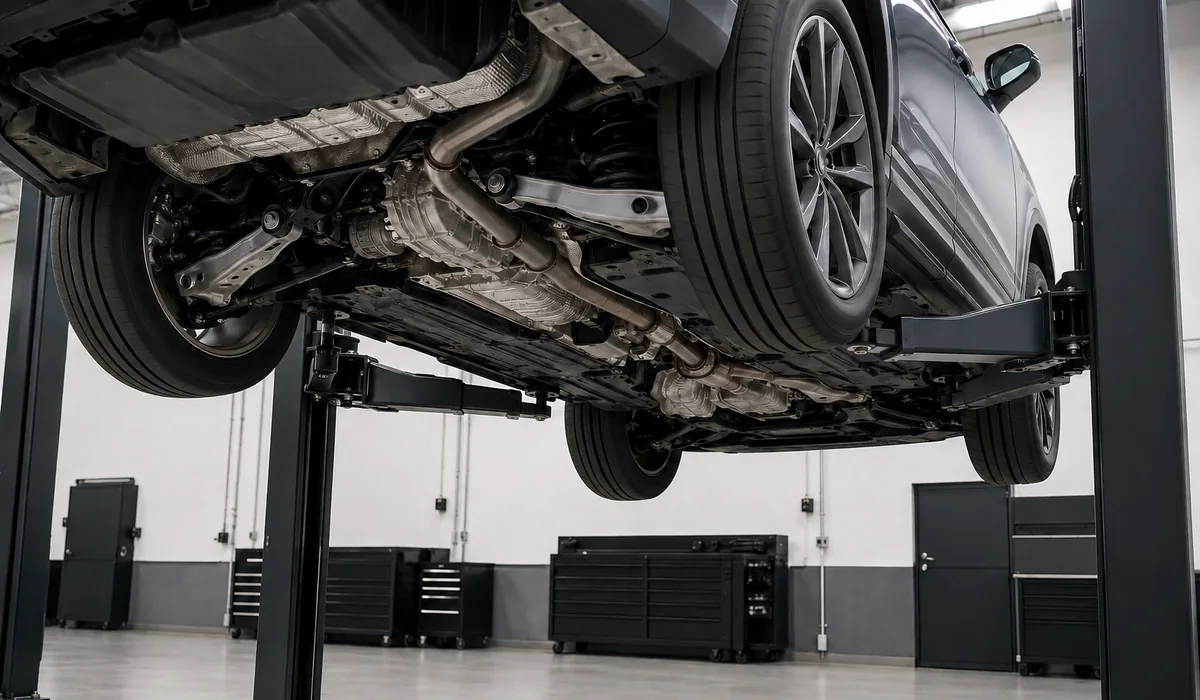
Reproduce the complaint under the same conditions, isolate the affected system with measured evidence, then repeat the original trigger after repair to confirm the fault is actually resolved.
| Stage | Workshop work | Evidence to keep |
|---|---|---|
| 1. Intake | Confirm VIN, installed options, complaint wording and previous repair or modification history. | Build data, photographs, warning text and customer symptom timeline. |
| 2. Baseline | Check fluid condition, tires, visible damage and supply voltage before clearing anything. | Measurements and a complete pre-repair scan with event details. |
| 3. Reproduce | Create the complaint safely under the same cold, warm, traffic, load or road condition. | Live data tied to time, temperature, speed and drive mode. |
| 4. Isolate | Test the suspected circuit or mechanical path and rule out connected alternatives. | Pressure, voltage, leakage, geometry or actuator results with pass and fail limits. |
| 5. Approve | Separate confirmed repair, due maintenance and optional findings. | Itemized estimate with parts route, labor, calibration and exclusions. |
| 6. Verify | Repeat the original trigger after repair and complete required adaptation or calibration. | Post-repair scan, measurements, road-test result and next service logic. |
The correct schedule depends on the exact vehicle and its service regime. Dubai heat, traffic, short trips, dust, towing and performance use can justify more frequent condition checks, but those conditions do not authorize an invented universal interval.
Use the VIN-linked schedule for engine oil, filters, brake fluid, spark plugs or fuel-system items, transmission and driveline work. Record the approval and quantity of every fluid used.
Tires, brakes, suspension, battery condition and cooling integrity need measurements. Show the present value and the limit instead of labeling every advisory as immediately due.
A warning, leak, noise or drivability concern requires diagnosis outside the routine package. Keep diagnostic labor separate from the repair estimate until the cause is confirmed.
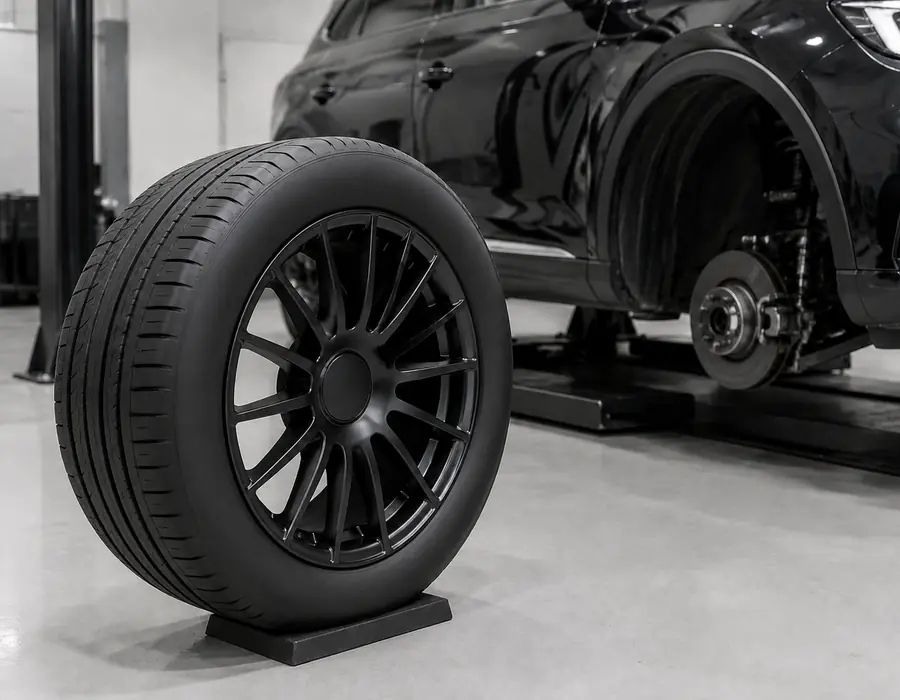
Compare cold-start behavior with fully warm operation so intermittent gearbox, cooling, suspension and electrical issues are not hidden by a brief test drive.
A polished dashboard and recently cleared scan do not prove condition. Arrange a genuine cold start, inspect the vehicle on a lift, complete a full scan, and drive it until the engine, gearbox and chassis systems are warm enough to show repeatable behavior.
Match VIN, market specification, service invoices, software history, collision repair and modification declarations. Check whether major work includes part numbers and verification records.
Record cooling pressure, leakage evidence, battery condition, tire age and matching, brake measurements, ride height, wheel alignment clues and underbody condition.
Test boost, shifts, steering, suspension modes, braking, vibration, climate control and assistance warnings. Repeat questionable behavior rather than accepting a verbal explanation.
Classify each finding as due service, measured wear, diagnosed failure or monitoring item. A purchase decision is clearer when urgent safety work is separated from normal ownership planning.
No single package covers every SQ8. The VIN-linked schedule, powertrain, driveline and installed chassis equipment determine the correct work and fluids.
No. A code identifies a monitored condition or circuit. Freeze-frame data and system testing are needed before parts approval.
Calibration is required only where the applicable procedure calls for it. Mechanical condition, tire pressure and ride height must be correct first.
Yes. Size, pressure, tread depth and rolling circumference can influence driveline behavior and should be checked before deeper diagnosis.
Compare the confirmed fault, parts route, labor access, fluids, hardware, coding, calibration, verification and warranty boundary. A headline total without that scope is incomplete.
Send the VIN, mileage, exact warning or symptom, when it occurs and any recent work. The workshop can then prepare the correct scan, test route and equipment.