
Audi heater core replacement in Dubai
Weak cabin heat, sweet odour, misted glass or damp carpet can point toward the heater core, but coolant level, circulation, thermostat operation, valves, air distribution and AC drainage can create similar symptoms. We confirm the fault before dashboard-level work.
A heater core should be replaced only after testing separates an internal leak or restriction from low coolant, circulation faults, air locks, control valves, blend flaps, sensors and water entering the cabin from another source.
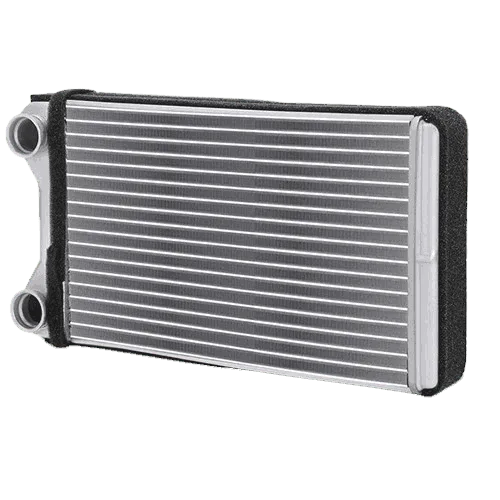
How your cabin gets heat
On a combustion-engine Audi, hot coolant normally carries engine heat through a small heat exchanger inside the HVAC housing. The blower moves cabin air across that heater core, while flaps and controls determine how much warmed air reaches each outlet. A complaint can begin on the coolant side, the air side or the control side.
Hybrid and electric models may use additional electric heating, high-voltage coolant heaters, heat pumps or separate thermal circuits. Their cabin-heating diagnosis must follow the exact fitted system rather than assuming a conventional heater core is the only source of heat.
What have you noticed?
Sweet or chemical odour
Coolant vapour can produce a distinctive smell, especially when the blower runs. Confirm the fluid because cleaning products and AC odours can be confused with coolant.
Persistent windscreen film
An internal coolant mist may leave an oily film and repeated fogging. Normal humidity, a blocked cabin filter and AC performance can also affect demisting.
Damp front carpet
Coolant from the HVAC case can wet the carpet or insulation. AC drain blockage, door membranes, sunroof drains and windscreen sealing are other possible water paths.
Heat weak on both sides
Low coolant, restricted flow, trapped air, thermostat behaviour or a restricted core may affect overall temperature. Engine operating data helps distinguish them.
One side stays cold
Dual- or multi-zone imbalance may involve a flap motor, flap position, calibration, sensor or uneven core flow. The pattern matters before dismantling.
Coolant level falls
An internal heater leak is one possibility among external leaks, water-pump, thermostat-housing, radiator, reservoir, hose and engine-related losses.
When to stop driving
- Stop safely if an overheating warning appears, temperature rises abnormally, steam is visible or coolant is escaping rapidly.
- Do not open a hot expansion tank. The cooling system may be pressurised and can release hot coolant.
- Do not keep driving if vapour or film prevents a clear view through the windscreen.
- Arrange recovery when coolant loss is active, the engine temperature is unstable or topping up would only conceal a significant leak.
A small damp patch still needs attention because coolant can damage carpet backing, connectors or control modules beneath the floor. The safe-to-drive decision depends on fluid loss, engine temperature, visibility and where the leak reaches.
Leak, restriction or air-control fault
These three fault groups can overlap, but the confirming evidence differs.
| Fault pattern | What may support it | What can imitate it |
|---|---|---|
| Internal heater-core leak | Coolant odour, verified coolant in the HVAC case or carpet, pressure loss and no stronger external source | AC drain water, rainwater entry, cleaning fluid or another coolant leak travelling into the cabin |
| Restricted heater-core flow | Temperature difference across heater hoses, poor heat with verified engine temperature and circulation | Low coolant, air lock, weak circulation, control-valve fault or incorrect coolant mixture |
| Air-distribution fault | Temperature or outlet changes that follow flap command, position or zone behaviour | Uneven core flow, sensor input or control calibration |
| Engine-temperature fault | Engine fails to reach or hold the expected operating range | Display interpretation, unusual driving conditions or data from a faulty sensor |
Find the fault first
The inspection starts with the customer’s pattern and moves from accessible checks toward invasive work. Removing the dashboard is not a diagnostic test.
Record the conditions
Check whether the symptom appears hot or cold, with AC on or off, at idle or road speed, and whether one zone differs from another.
Inspect coolant evidence
Verify level and condition, inspect accessible cooling components and identify any cabin liquid rather than judging it by colour alone.
Check pressure integrity
Use an appropriate cold-system pressure check when needed and observe whether pressure loss connects to visible leakage.
Compare temperatures
Review engine temperature and heater-circuit behaviour. Hose temperature can guide diagnosis but must be interpreted with valve and flow design.
Test HVAC commands
Check blower operation, requested temperature, flap movement and relevant fault status before blaming a heat exchanger for an airflow problem.
Define access and scope
When evidence supports the core, identify dashboard, HVAC case, trim, electrical and safety-system interfaces that the exact model requires.
From access to reassembly
Access varies widely. On many vehicles the core sits inside the HVAC housing, so the work can involve substantial cabin disassembly. Other configurations may allow a more focused route. The VIN and workshop information decide the method.
Protect and prepare the cabin
Record trim condition, protect surfaces, manage battery and safety procedures, and drain coolant by the correct method.
Reach the HVAC housing
Remove only the dashboard, console, ducts, braces, wiring or other items required by the vehicle-specific access path.
Separate the coolant connection
Disconnect heater pipes or hoses carefully and contain residual coolant so it does not spread into insulation or electronics.
Inspect the surrounding case
Check seals, pipes, foam, drains, flap components and signs of previous leakage before installing the correct core.
Reassemble without trapped faults
Route wiring, ducts and trim correctly. Connectors, clips and air paths must return to their intended positions.
Refill, bleed and verify
Use the specified coolant route, remove trapped air, check heat delivery and confirm there are no leaks or warning faults.
What belongs in the repair
A core that is externally leaking or internally restricted may require replacement, but cleaning or flushing is not automatically suitable. The decision depends on contamination, construction, access and whether the restriction is in the core or the wider circuit.
Heater pipes, seals, hose connectors, control valves, coolant reservoir, thermostat, water pump, cabin filter, blower, flap motors and damaged carpet insulation may require separate attention. Dashboard or HVAC removal can also expose brittle clips or previous repair damage. These items must be documented and approved rather than hidden inside a vague package.
If the main issue is coolant condition rather than core failure, the dedicated Audi coolant flush service explains fluid selection and bleeding. If engine temperature is wrong, see Audi thermostat replacement after diagnosis.
Same symptom, different Audi
Single and multi-zone HVAC
More zones add flaps, motors and temperature paths. A left-right difference can be a control or airflow problem even when the core transfers heat.
Engine and coolant layout
Engine family changes thermostat, pump, valve, hose and bleeding arrangements. Correct coolant approval and fill procedure are application-specific.
Hybrid thermal circuits
A plug-in hybrid may have added pumps, valves and heaters. High-voltage components require isolation boundaries beyond conventional cooling work.
Electric cabin heating
An e-tron may use electric heating or a heat-pump strategy. A no-heat complaint should not be forced into a conventional heater-core diagnosis.
Dashboard equipment
Head-up display, passenger airbag, ambient lighting, infotainment and trim specification can change the access and reassembly checks.
Previous cooling repairs
Incorrect coolant, mixed fluids, sealant products or poor bleeding can alter flow and leave residue. Service history helps explain what testing finds.
Verification before handover
- Pressure-check the repaired circuit as appropriate and inspect the heater connections for leakage.
- Confirm stable engine temperature and coolant level after bleeding and a suitable heat cycle.
- Check heat output at the relevant vents and compare zones under the same settings.
- Confirm blower, flap, demist and AC functions affected by disassembly.
- Re-scan systems whose connectors or modules were disturbed and address any returning faults.
- Inspect cabin trim, controls, illumination and warning indicators before handover.
Cabin drying matters
Replacing the leaking core does not instantly dry soaked carpet or insulation. Moisture and coolant residue may need separate cleaning and drying, especially where wiring or modules sit beneath the floor. The final scope depends on how far the leak travelled.
Help prevent repeat problems
A heater core does not have a universal replacement interval. Its condition is affected by the wider cooling system, correct fluid, previous repairs and whether leaks or contamination were addressed early.
Use the correct coolant
Coolant should match the approval and mixture required for the exact Audi. Colour alone does not identify compatibility. Mixing unsuitable products can create deposits, reduce corrosion protection or complicate later testing.
Repair coolant loss promptly
Repeated topping-up introduces fresh water or air without correcting the leak. Low level can interrupt heater flow and may expose the engine to overheating. Record how much is added and have the source identified.
Bleed after cooling work
Trapped air after a pump, thermostat, hose or coolant service can cause unstable cabin heat and level changes. The correct filling and bleeding method depends on the vehicle and fitted valves or pumps.
Do not add stop-leak products without understanding the consequences. A product intended to seal a leak can also affect small passages, valves or heat exchangers. If the cabin heat changed after cooling-system work, provide the invoice, coolant details and timing of the symptom. That sequence may be more useful than replacing the heater core first.
Plan your workshop visit
What changes the cost
Heater core replacement cost depends on the exact part, access route, dashboard and HVAC equipment, coolant, seals, pipes, contamination and any trim or electrical damage. A fixed price before diagnosis can be misleading because a flap fault, external cooling leak or blocked AC drain requires a different job.
How long to leave the Audi
Workshop time changes with model, parts availability, access depth, cabin drying and the need to reproduce an intermittent leak or temperature imbalance. The Audi may need to remain cold for pressure testing or stay through a complete heat cycle after repair.
What you approve
Before approving dashboard removal, the inspection findings should show why the heater core is the correct target and which alternative causes were checked. The estimate should distinguish the core, required seals and coolant from optional or condition-based work such as pipes, valves, carpet cleaning or damaged trim. If dismantling reveals a new issue that was not visible during diagnosis, it should be documented before the scope changes.
What to send when booking
For heater diagnosis in Al Quoz 4, send the VIN, model, year, mileage, coolant warning, odour, wet area, which vents are affected and whether engine temperature changes. Photos of the damp area or windscreen film are useful when safely taken.
Agree the access before dismantling
Ask which test identified the heater core and whether the proposed work includes heater-pipe seals, coolant refill and cabin drying. Audi heater core replacement should have a defined access plan for the fitted dashboard and climate system. A photograph of wet carpet helps locate a concern, but it cannot establish the source by itself.
Keep the previous coolant-service invoice available. Tell the workshop if heat changed immediately after a thermostat, pump or hose repair, or if a sealant product was added. These details can change the inspection sequence and help avoid repeating work on a core that is still serviceable.
Heater core FAQs
Does weak cabin heat always mean the heater core is blocked?
No. Low coolant, trapped air, thermostat behaviour, pump or valve problems, blend flaps and temperature sensors can all reduce heat. Coolant and airflow sides must be tested separately.
How can coolant be distinguished from AC drain water?
Location, smell, feel and colour can provide clues, but the fluid should be identified and the HVAC drain and cooling system inspected. Clear water beneath a car after AC use can be normal condensation.
Can a leaking heater core cause windscreen fogging?
Coolant vapour can create repeated fogging or a film, especially with the blower operating. Humidity and weak AC drying can also fog glass, so the presence of coolant must be confirmed.
Can the heater core be flushed instead of replaced?
A flush may be considered for some restrictions, but it is not suitable for an actively leaking or physically damaged core. System contamination and the construction of the fitted core affect the decision.
Does the dashboard always need to be removed?
No single access method applies to every Audi. Many heater cores require extensive HVAC or dashboard access, while some configurations allow a narrower route. Vehicle-specific information decides.
Is it safe to drive with a heater core leak?
Do not drive with overheating, rapid coolant loss, steam or impaired windscreen visibility. Even a smaller leak needs prompt attention because coolant can reach insulation, wiring or modules.
Why is one side warm and the other side cold?
Multi-zone flap control, a motor or sensor fault, calibration and uneven coolant flow can all create a side-to-side difference. Comparing commands, positions and vent temperatures helps separate them.
What details help before booking?
Send the VIN, model and year, coolant level or warning, odour, damp location, affected vents, engine-temperature behaviour and recent cooling-system work.
Book a heater-core inspection
Tell us whether the carpet is damp, the glass films over, coolant level falls or one climate zone stays cold. Include the VIN, model, year and recent cooling work.