
Lighting diagnosis before headlamp replacement
Audi Daytime Running Lights Replacement in Dubai
A failed Audi daytime running light does not automatically mean the complete headlamp must be replaced. Depending on model and year, the fault may involve an LED module, control unit, wiring, connector, power supply, coding, moisture damage or an integrated light source. Our Al Quoz 4 workshop identifies the affected circuit and exact lamp configuration before recommending repair or replacement.
Start with the symptom
What a DRL problem can look like
When Audi daytime running lights replacement is being considered, the symptom pattern should be recorded first. Owners commonly report one light out, a warning message, flickering, reduced brightness, uneven colour, intermittent operation or condensation in the headlamp. Some cars change lighting behaviour with the parking brake, light switch, drive mode or ambient-light conditions, so a comparison made in one condition can be misleading.
One side is dark
Possible causes include the light source, LED driver, module power, connector, wiring, ground or an internal headlamp fault. Swapping parts without testing can create coding or compatibility problems.
Flicker or colour shift
Heat-related electronics, voltage instability, moisture, internal LED deterioration or a poor connection may be involved. A video showing the fault and operating condition can help reproduce it.
Warning but lights appear on
The system may detect an intermittent load, stored circuit fault, incorrect replacement part or another lamp function. The exact warning and module data matter more than a quick visual check.
Connected lighting system
The DRL is more than a visible strip
Audi daytime running lights can be controlled through the headlamp electronics, body-control system and model-specific lighting software. The visible light guide or LED strip may be driven by a separate module, integrated circuit board or complete lamp assembly. Power, ground, communication, heat management, seals, vents and connectors all affect operation.
The lighting command may also depend on ignition state, exterior-light selection, ambient-light information and regional configuration. A DRL that appears normal during one switch position may fail during another commanded state. Checking the full operating sequence prevents a position-light or indicator concern from being mislabeled as a DRL failure. It also matters when a headlamp uses one LED element for more than one function at different brightness levels.
Light source
Some older or specific configurations use a serviceable bulb. Many newer lamps use LEDs that may be part of a module or permanently integrated into the housing.
Driver and control module
Electronics regulate current and interpret vehicle commands. A failed driver can leave the LED itself intact, while an incompatible module may not communicate or configure correctly.
Housing and sealing
Cracks, damaged rear covers, blocked vents or previous opening can allow moisture to affect optics and electronics. Replacing electronics without addressing water entry risks repeat failure.
Symptom-to-evidence matrix
Possible causes must be confirmed
| Observed condition | Possible causes | Confirming checks |
|---|---|---|
| DRL out on one side | LED source, bulb, driver module, supply, ground, connector or internal wiring | Fault memory, command status, circuit tests and comparison with the working side |
| Several lamp functions fail | Shared power or ground, control module, connector damage, moisture or headlamp electronics | Wiring diagram, module communication, voltage-drop testing and housing inspection |
| Condensation or droplets | Normal temporary misting in some conditions, damaged seal, rear cover, vent or housing crack | Moisture pattern, persistence, water marks, cover and vent inspection |
| Fault after lamp or battery work | Disconnected module, wrong part revision, coding, low voltage or disturbed connector | Work history, part identification, scan results and configuration checks |
Inspection sequence
How the DRL fault is diagnosed
The technician confirms the complaint on both sides and records every affected lighting function. The exact dashboard wording is noted because “daytime running light,” “side light” and general lighting faults can lead to different circuits. Exterior damage, moisture, previous repairs and connector condition are inspected before electrical tests.
A diagnostic scan identifies which module reported the fault and whether it is current or intermittent. Live commands and output tests may help, but a stored code is not treated as proof of a failed lamp. Power, ground and communication are checked at the correct point. Where safe and supported, comparison with the operating side helps separate vehicle wiring from headlamp electronics.
The VIN, headlamp label, part number and PR option codes are used to identify halogen, xenon, LED, matrix LED or other installed equipment. Only then can the serviceable boundary be confirmed.
Voltage is assessed under load rather than only with the connector unplugged, because a corroded terminal can show battery voltage without carrying the required current. Ground voltage drop, connector heat damage and terminal grip are relevant when the fault returns after vibration. If moisture is present, the technician looks for the entry path and downstream damage instead of drying the lamp and calling the repair complete. Evidence from these checks separates an external circuit repair from electronics or housing replacement.

Repair decision
Module, lamp or complete headlight
Repair the circuit
Appropriate when testing finds a connector, wiring, ground or supply fault outside the lamp. Corrosion or heat damage may require terminal repair rather than simply clearing a code.
Replace a serviceable unit
Appropriate when the fitted bulb, LED driver or control module is separately supplied and confirmed faulty. Exact revision and compatibility must be checked.
Replace the headlamp
Required only when the light source or electronics are integrated, the housing is damaged beyond an approved repair, or parts support defines the complete assembly as the service unit.
What may require separate approval
A control module, ballast or driver, rear cover, connector repair, damaged wiring, housing, mounting brackets and moisture-damaged components may each be separate findings. A cracked bumper bracket or collision alignment issue is not automatically part of DRL replacement. We explain the boundary before work proceeds.
Workshop process
From safe access to functional testing
Protect
Lighting and electrical systems are made safe for the fitted configuration. High-voltage lighting components require appropriate precautions.
Access
Trim, covers, wheel-liner or bumper components are removed only where the headlamp or module location requires it.
Inspect
Mounts, seals, vents, connectors and the driven light function are checked before the confirmed part is fitted.
Install
The correct revision is connected and secured without pinching seals or forcing fragile headlamp tabs.
Configure
Coding, parameterisation or basic settings are completed only when required by that module and vehicle.
Audi-specific fitment
Model, generation and option differences
An A3, A4, A6, A8, Q3, Q5, Q7 or Q8 name does not identify one daytime running light. Headlamp technology changes across generations, facelifts, markets and option packages. S and RS models may use different lamp shapes or control arrangements. Left-hand and right-hand units are not interchangeable, and appearance alone is not a reliable parts check.
The VIN narrows the original specification, while the headlamp number, production split and PR codes may be needed to confirm the installed unit. Previous accident repair or a retrofit can make the physical lamp differ from the original build data. Used modules may contain incompatible configuration or component-protection issues. We verify the installed hardware instead of promising that any visually similar unit will work.
Some headlamps share an outer shape while using different internal light signatures, beam functions or module software. A left-side part number cannot establish the right-side revision, and a facelift lamp may not be compatible with an earlier control system. Vehicles imported from another market can also have different lighting behaviour. These distinctions are checked before ordering because a physically fitting lamp can still create faults or an uneven appearance.
Changing colour temperature or fitting non-standard lighting can create warnings, uneven output, legal concerns or glare. This page covers restoring the specified DRL function, not unverified styling conversions. If another lamp function is affected, our Audi headlight repair service covers wider headlamp diagnosis.
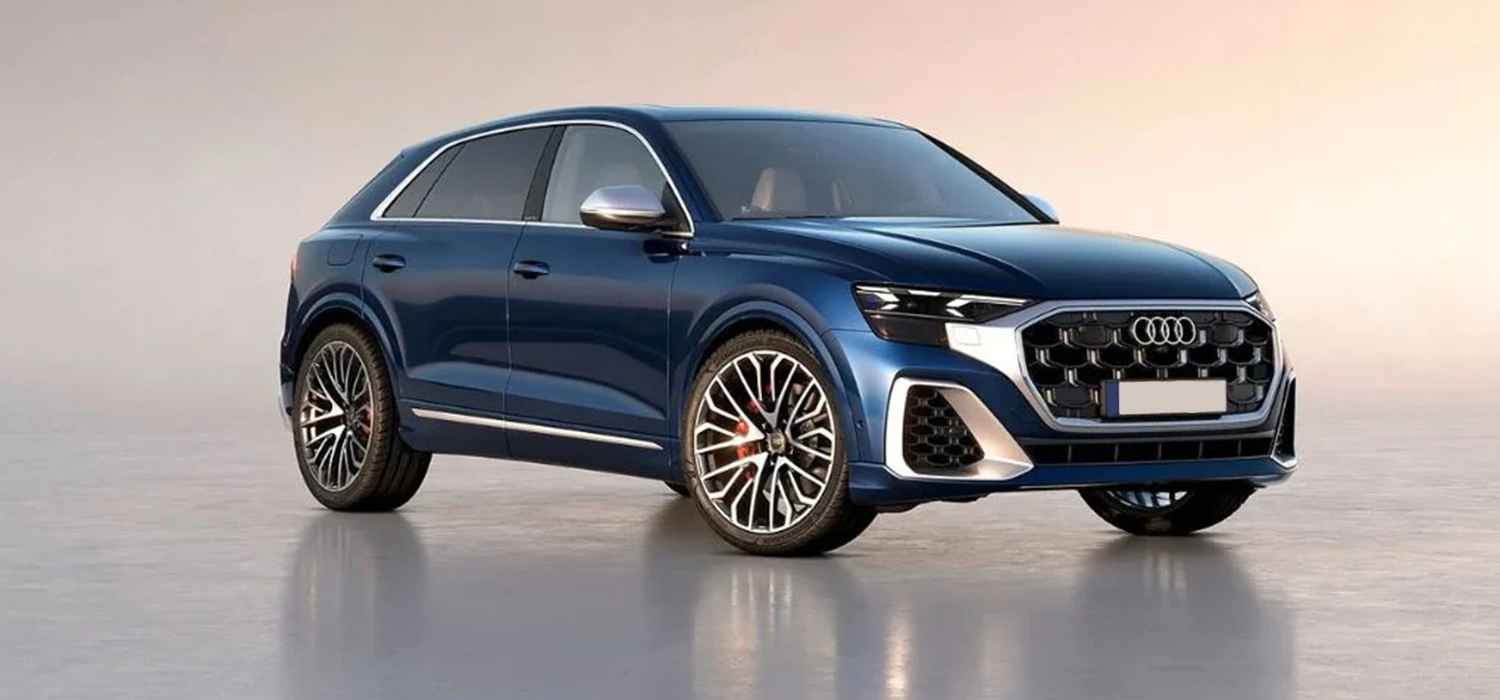
Evidence before parts
What decides the replacement boundary
A dependable Audi daytime running lights replacement decision is defined by evidence, not by the shape of the light strip. Before any part is ordered, the installed headlamp is identified and the reported fault is separated from other lighting functions. This avoids replacing a complete assembly when a serviceable driver, connector or external circuit is responsible. It also avoids fitting a module that appears correct but does not match the vehicle’s hardware or software level.
Electrical evidence
Command status, fault memory, loaded power and ground checks, connector condition and communication results show whether the fault begins outside or inside the headlamp.
Physical evidence
Cracks, damaged mounts, missing covers, persistent moisture, corrosion and heat marks can change the scope. Water entry must be traced rather than treated as a separate cosmetic issue.
Fitment evidence
The VIN, option codes, installed part number, lamp side and revision are compared. Previous accident repair, used components or a retrofit may make the fitted unit different from the original build record.
A separately supplied module is not automatically the right answer. It still needs to be proven faulty and compatible. Likewise, a complete headlamp is justified only when the failed element is integrated, the housing cannot be restored within a dependable service boundary, or the required internal part is not supported separately.
Safety and use
Can you drive with a DRL fault?
Audi daytime running lights replacement may not be an immediate roadside emergency in clear daylight, but the underlying fault still needs to be identified. A daytime-running-light fault does not always make the car immediately undriveable in clear daylight, but it reduces visibility to other road users and may indicate a wider headlamp or electrical problem. Do not assume the dipped beam, indicator or position light still works simply because part of the lamp illuminates.
Stop and arrange help if the failure includes both headlights, indicators, burning smell, smoke, exposed wiring, severe water entry, a loose collision-damaged lamp or repeated electrical shutdown. At night, in poor visibility or where required lighting is unavailable, do not continue. If only one DRL is affected and all required driving lights operate, arrange inspection promptly and avoid conditions in which visibility is compromised.
DIY bulb replacement may be practical only where the owner information identifies a user-serviceable bulb and safe access. LED modules, high-voltage headlamp systems, bumper removal, coding and moisture repairs are workshop procedures. Never probe unidentified headlamp terminals or look directly into a high-output light at close range.
Verification and planning
What must work after replacement
Post-repair checks cover both DRLs and every headlamp function disturbed during access. The original warning is rechecked, fault memory is reviewed, and automatic lighting behaviour is tested under suitable conditions. Connectors, rear covers and seals must be secure. If the headlamp assembly was removed, mounting and panel alignment are inspected.
Headlamp aim is checked or adjusted when the actual work or mounting condition could affect it. Matrix or adaptive-light systems may require model-specific basic settings or calibration after particular component replacement. Coding is not required for every bulb or module, and wheel alignment is not automatically part of this service. Each extra procedure must follow the installed system and work performed.
Verification also includes comparison of brightness and colour between sides without promising that an aged operating lamp will look identical to a new unit. If the opposite lamp is weak or discoloured, that is reported separately rather than automatically replaced.
Planning the visit
Audi DRL replacement near Al Quoz 4
Our Al Quoz 4 workshop handles daytime-running-light diagnosis for Audi vehicles across Dubai. A useful booking includes the VIN, model and year, affected side, exact warning, whether the problem changes with heat or rain, recent battery or body work, and clear photos or video.
What affects the final scope
Time and cost depend on lamp technology, access, part serviceability, moisture or collision damage, module compatibility, coding and calibration. We do not publish one duration or price for every Audi.
For a related position-light warning, see our Audi parking light malfunction guide.
Questions before replacement
Audi daytime running light FAQs
Does one failed DRL mean I need a complete headlamp?
No. Some Audis have a separately serviceable bulb, LED driver or control module, while others integrate the light source. Circuit testing and exact parts identification establish the repair boundary.
Can a fault code prove the LED module has failed?
No. The code can result from power, ground, wiring, communication, moisture, an incompatible part or internal electronics. It must be matched with circuit and functional tests.
Why does the DRL work intermittently?
Heat, vibration, moisture, terminal contact, internal electronics or voltage conditions can create intermittent behaviour. Recording when it fails helps the workshop reproduce and confirm it.
Is condensation inside an Audi headlight normal?
Temporary light misting can occur in some conditions, but persistent droplets, water marks or repeated electrical faults justify seal, vent, cover and housing inspection.
Will a replacement module require coding?
Some modules require coding, parameterisation or basic settings, while others do not. The headlamp type, part revision and control architecture determine the requirement.
Can I fit a different-colour DRL?
Non-standard parts can produce warnings, uneven appearance, glare or compliance concerns. Restoring the specified compatible function is different from a styling conversion.
Is it safe to drive with one DRL out?
It may permit a prompt daylight inspection trip if all required lights work, but avoid poor visibility and night driving. Stop for wider lighting loss, smoke, burning smell, exposed wiring or a loose lamp.
What information helps identify the correct part?
Send the VIN, model year, affected side, warning wording and clear lamp photos. The headlamp label, production split and PR codes may also be required.
Confirm the circuit before the component
Book an Audi DRL diagnosis
The Audi daytime running lights replacement scope begins with the evidence from your exact car. Tell us which light function failed and send the VIN, warning message, affected side, recent repair history and photos. We will plan the correct electrical and headlamp checks, then explain whether the solution is circuit repair, a serviceable module or complete lamp replacement. Bring any previous invoice or scan report so earlier part numbers, coding work and repeat symptoms can be reviewed before the final repair decision.