
Audi Oxygen Sensor Replacement
An oxygen-sensor code can indicate a failed sensor or a problem it is reporting. Book an inspection in Al Quoz 4. We check the correct bank, wiring, heater and mixture readings before recommending replacement.
The repair decision
Replace only the confirmed sensor
Replacement is appropriate when testing confirms an internal sensor, heater or response fault. Damaged wiring, an exhaust leak or incorrect engine fuelling may need repair instead. A sensor that reports a lean mixture is not necessarily the part causing it.
The quotation should identify the bank, sensor position and part number. The finished job should include connection checks, suitable live-data verification and an explanation of any emissions monitors that still need to complete.
Symptoms guide the checks
What the warning can mean
Tell us whether the warning is steady or flashing and whether the engine runs normally. Poor response, rough running and increased fuel use need context. Record cold-start behaviour, recent repairs and any oil or coolant loss, rather than relying only on the short code description.
| What you notice | What it may involve | Confirming checks |
|---|---|---|
| Check-engine light | Heater, signal, mixture or catalyst-related fault. | Record the complete code and freeze-frame data, then test the named circuit or operating condition. |
| Higher fuel consumption | Incorrect correction, rich operation or another engine fault. | Compare fuel trims and operating temperature; inspect intake, ignition and fuel-delivery evidence. |
| Rough idle or hesitation | Misfire, unmetered air or fuel supply can distort exhaust readings. | Confirm combustion and leak conditions before deciding that a reporting sensor has failed. |
| Failed emissions test | Exhaust output or incomplete readiness may be involved. | Read the test report, fault memory and monitor status. Replacing a sensor alone may not resolve it. |
| Code returns after replacement | Wrong position, incompatible part, wiring, leakage or an unresolved engine fault. | Compare the new code with the original and verify the installed sensor against the engine configuration. |
Bank and sensor identification
Similar parts, different jobs

Bank is not left or right
Bank 1 is the bank containing cylinder 1. Do not guess it from the driver’s seating position. Inline engines normally have one bank, while V engines can have two. Confirm cylinder numbering and sensor location using the exact engine code.
Position is not a part number
Sensor 1 generally describes the upstream position and Sensor 2 a downstream position, but the installed exhaust layout must be checked. Turbocharger and close-coupled catalyst packaging can make access less obvious. The connector and wiring route help confirm which component is being tested.
Some Audi engines use wideband air-fuel sensors rather than a conventional switching sensor at the control position. Their readings cannot be judged by applying the same voltage expectations. A scan tool may display lambda, equivalence ratio or another interpreted value; the technician must identify what that channel represents.
Workshop diagnosis
Follow the signal to its cause
One reading is not a verdict
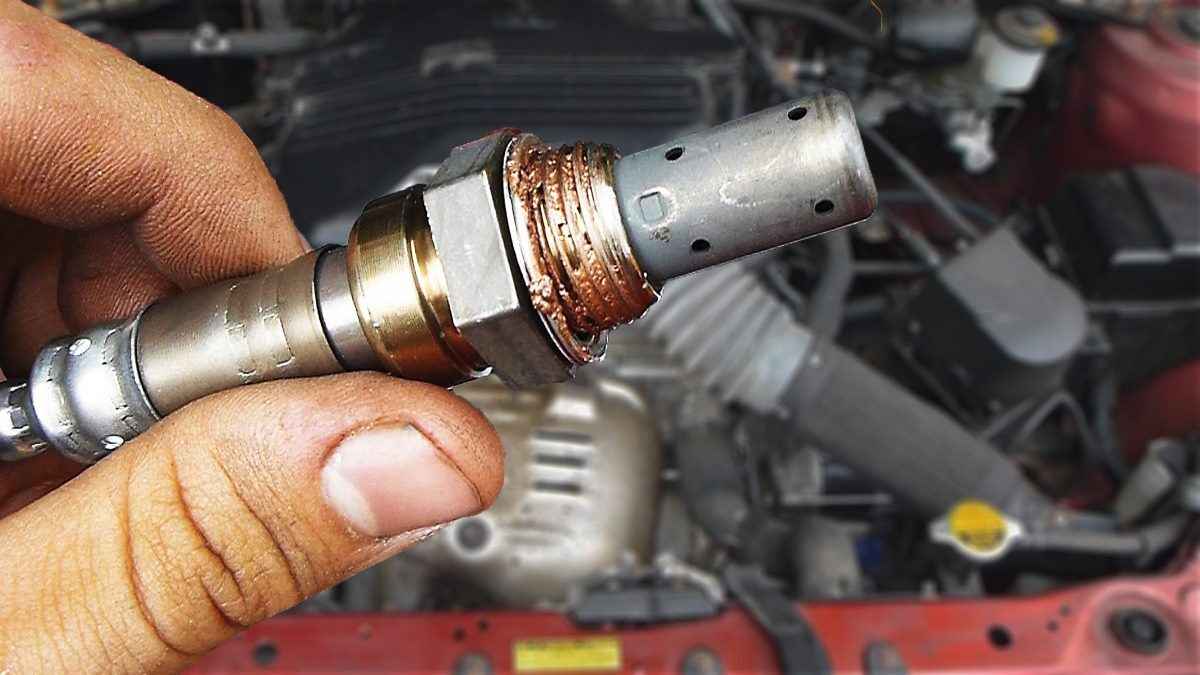
A wideband control sensor does not need to behave like an older narrowband switching sensor. Equally, a sensor reading that changes can still require further response testing. Assessment uses the correct data definition and operating conditions, not a universal voltage target copied from another engine.
Preserve the fault record
Read relevant engine faults with their status and freeze-frame conditions before clearing anything. Check whether the complaint occurred during warm-up, idle or load. Stored, pending and recurring faults provide different evidence; a single scan is the starting point.
Check wiring and heating
Inspect routing, connector locks, terminal contact and heat or oil damage. Test supply, control and heater behaviour according to the fitted system. A heater-circuit fault can come from the circuit around the sensor, so changing the sensor without those checks can leave the same fault.
Check air and exhaust leaks
An intake or PCV leak can change the mixture, while exhaust leakage ahead of the sensing point can affect the reading. Inspect relevant connections and use suitable leak checks. Fuel pressure, injector operation and misfire evidence also matter when the engine is genuinely running lean or rich.
Compare response and correction
Review sensor response alongside fuel trims, engine temperature and operating conditions. Check whether changes are plausible for the sensor type. Catalyst-related evidence is evaluated after upstream mixture and combustion faults are addressed, rather than using a downstream code as an automatic parts instruction.
Agree the scope
Three possible repair outcomes
Before ordering
Match the sensor to the engine
The VIN, engine code, production date and emissions specification determine the parts search. The model badge alone does not establish the sensor type. An A4 or Q5 can have different engines, exhaust layouts and sensor connections across years and markets.
Connector and calibration
Verify the part number, connector keying, lead length, heater specification and response characteristics. A plug that appears to fit does not prove electrical compatibility. Ask whether the quoted part is Audi Genuine or a specified alternative and confirm the terms supplied with it.
Petrol, diesel and hybrid
Petrol and diesel engines can both use oxygen sensing, but their control strategies and other exhaust sensors differ. A NOx sensor, exhaust-temperature sensor or particulate-related sensor is not interchangeable with a lambda sensor. Hybrid operation can change when the engine runs and the conditions available for testing.
Tell us about engine software changes, an altered exhaust or earlier sensor replacements. A non-standard configuration can affect the diagnostic baseline. Battery-electric Audis have no combustion exhaust oxygen-sensor replacement requirement; an e-tron badge on a hybrid needs its exact powertrain identified.
Replacement sequence
Remove, fit and reconnect
Prepare safe access
Allow suitable cooling and follow the removal procedure for the exhaust layout. Access around a turbocharger or catalyst may require shields or other components to be moved. Seized threads need careful assessment because forcing removal can damage the mounting point.
Install the right part
Compare the replacement with the confirmed specification before fitting. Protect the sensor tip and follow the supplied thread and tightening instructions. Do not add unapproved chemicals, sealant or grease to the sensing element, connector or pre-treated thread.
Restore the wiring route
Reconnect the correct plug and restore clips and heat protection. The lead must not be twisted, stretched against a mount or allowed to touch hot exhaust parts. Check any disturbed exhaust joints and shields before starting the engine for verification.
This work involves hot exhaust components, restricted access, electrical testing and sometimes lifting the vehicle. It is not a suitable task to attempt beneath a car supported only by a jack. Cleaning the exposed tip or fitting a spacer is not an equivalent repair for a confirmed internal sensor fault.
After installation
Prove more than a cleared light
Check the installed circuit
Verify heater operation, signal plausibility, connector engagement and harness clearance. Inspect for leakage or other faults introduced by access work. Rescan for relevant returning codes and compare them with the original record.
Recheck engine behaviour
Review fuel trims and sensor response under suitable conditions, then reassess rough running, hesitation or the original complaint. A cold-start fault may need a later cold check rather than being declared resolved only while the engine is warm.
Explain the remaining scope
Record the replaced position, the findings behind the decision and any separate mixture or catalyst concern. Most conventional sensors are not individually coded, but adaptations or guided checks are performed only when the applicable procedure calls for them.
Driving and recovery
When the warning becomes urgent
Flashing light or severe running
Stop safely for a flashing engine light with misfire, severe shaking, smoke, strong fuel smell or major power loss. Continued operation with an active misfire can overheat the catalyst. Arrange advice and recovery rather than driving repeatedly to see whether the warning disappears.
Steady light, normal running
Book diagnosis promptly and describe the complete warning and vehicle condition before travelling. A steady light alone cannot establish that continued driving is safe. Avoid heavy load while arranging the next step, and stop if running deteriorates or another warning appears.
Do not erase fault memory to prepare for an inspection or emissions test. Keep existing scan reports and warning photographs. If there is smoke, a fuel leak or a suspected exhaust fire hazard, keep clear and use appropriate emergency assistance.
Protect the repair
Reduce repeat oxygen sensor problems

Address contamination at its source
Tell the workshop about repeated oil top-ups, unexplained coolant loss or misfires before the sensor is replaced. Those observations help decide whether the engine needs a separate investigation. A new sensor may be exposed to the same conditions if the underlying fault remains. Keep a record of when fluid levels change; deposits on a removed sensor alone do not establish which engine component is responsible.
Keep the installation protected
After nearby exhaust or engine work, report a new warning promptly and mention which area was disturbed. Heat shields, cable clips and connector locks matter because the sensor lead runs close to hot and moving components. Avoid pressure-washing the connector or adding unapproved cleaning products. Follow the maintenance information for the exact engine instead of treating a universal sensor mileage interval as a replacement instruction.
If the same warning returns after Audi oxygen sensor replacement, retain the invoice and original scan report. Record whether it appeared at the first cold start, after a longer journey or under load. Comparing the fault status and conditions helps distinguish a recurring circuit problem from a separate mixture or catalyst concern. Do not repeatedly clear the memory while waiting for the inspection.
Quotation and scheduling
Audi oxygen sensor replacement cost
What the quote should identify
The confirmed bank and sensor, part specification, diagnostic labour and access work should be clear. A seized sensor, damaged thread or wiring repair can change the scope. Ask whether taxes and post-repair checks are included; a generic online price cannot establish the cost for your engine.
What can extend the visit
Parts supply, exhaust access and the need to reproduce an intermittent fault affect timing. A warm-up complaint may require leaving the car for a cold start. Confirm whether the first appointment is diagnosis only and whether any follow-up readiness check is included.
Audi oxygen sensor replacement should not become a vague package of unrelated repairs. If testing finds a broader running fault, the next step may be engine malfunction diagnosis. That additional work needs a separate explanation and approval. No fixed price or completion time is promised before the vehicle and access requirements are known.
Questions before approval
Oxygen sensor replacement FAQs
Does an oxygen-sensor code prove the sensor has failed?
No. The wording can describe a heater or signal circuit, mixture condition, response issue or catalyst-monitoring result. Wiring, exhaust leakage and engine-running faults may cause the reading. The exact code and test results must identify whether the sensor is faulty or correctly reporting another problem.
What do Bank 1 and Sensor 2 mean?
Bank 1 contains cylinder 1; its physical side depends on the engine. Sensor 2 generally identifies a downstream position, but the full exhaust layout should be checked. Use the engine code and component location rather than guessing from the driver’s side or buying from a model-only listing.
Can an intake leak cause an oxygen-sensor warning?
Yes. Unmetered air can change combustion and fuel correction, so the sensor may report an actual lean condition. Exhaust leakage can also disturb the reading. Repairing the leak and retesting may avoid an unnecessary sensor, although a separate sensor fault can still exist.
Why did the warning return after a new sensor?
The original cause may remain, a different sensor position may have been replaced, or the fitted part may be incompatible. Compare the returning code with the previous report. Inspect the connector, wiring, mixture and exhaust condition before ordering another sensor.
Do all the oxygen sensors need replacement together?
Not routinely. Test the affected position and assess the other sensors where the data makes that useful. Age alone does not establish that every sensor has failed. A quotation for several sensors should explain the findings for each one and any practical reason for the combined work.
Can a universal sensor be used?
Only when the supplier explicitly supports that application and its installation method. Matching wire colours is not sufficient. A correctly identified direct-fit sensor usually avoids uncertain connector modifications. Wideband sensors and their calibration arrangements need particular care; confirm compatibility before any wiring alteration.
Does replacement immediately complete an emissions test?
No. The repair must address the actual fault, and relevant readiness monitors may need their specified conditions before completing. Clearing codes is not proof of emissions compliance. Keep the original test report and ask what has been verified before presenting the car again.
How do I reduce repeat sensor damage?
Attend to misfires, oil consumption, coolant loss and exhaust leaks promptly. Avoid unapproved additives or sealants around the sensor and do not alter its wiring casually. Replacement intervals and inspection needs depend on the exact vehicle; there is no single mileage rule for every Audi.
Al Quoz 4, Dubai
Prepare for the inspection
Send the fault history
Share the VIN, model year, mileage, exact codes and whether the warning flashes. Note cold-start symptoms, higher fuel use, rough running and recent exhaust or engine work. Existing reports are useful; there is no need to buy a scanner solely to make a booking.
Keep useful evidence
Mention oil consumption, coolant loss and previous sensor replacements. If an emissions test failed, send the report. Record a video only when safely parked, and do not keep an engine running to demonstrate a severe misfire or exhaust hazard.
Before you travel
Audi Repair Dubai serves owners from its Al Quoz 4 workshop. Call before travelling if the engine runs badly or the warning is urgent. For help understanding an existing report, the Audi fault-code guide provides context; the code still needs vehicle-specific testing.
Sensor information
Technical background: Bosch describes how wideband lambda sensing measures exhaust oxygen. Sensor choice and repair procedures remain specific to the installed engine.
Diagnosis before a parts order
Get the correct sensor identified
Arrange an Audi oxygen sensor replacement assessment in Al Quoz 4. Send the VIN and warning details so the workshop can plan the checks, identify the correct position and explain the repair options.