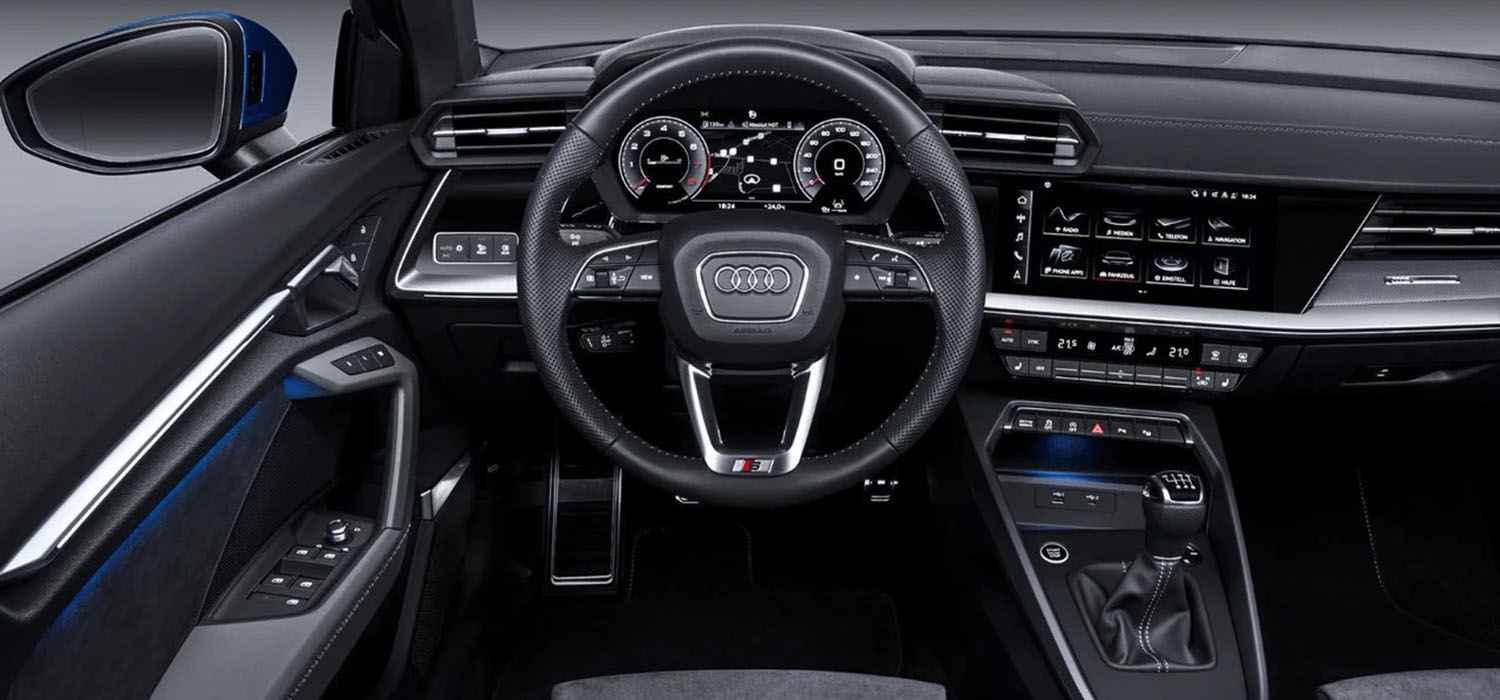
Audi interior trim repair and replacement in Dubai
Scratched aluminium, cracked wood veneer, marked piano black, loose dashboard inlays and broken door-trim clips do not all need the same solution. We identify the damaged layer, match the fitted interior specification and explain whether local repair, refinishing or replacement is the dependable scope.
Send the Audi model, year, trim location, one close photograph and one wider cabin view. A VIN may be needed before a replacement part is ordered.
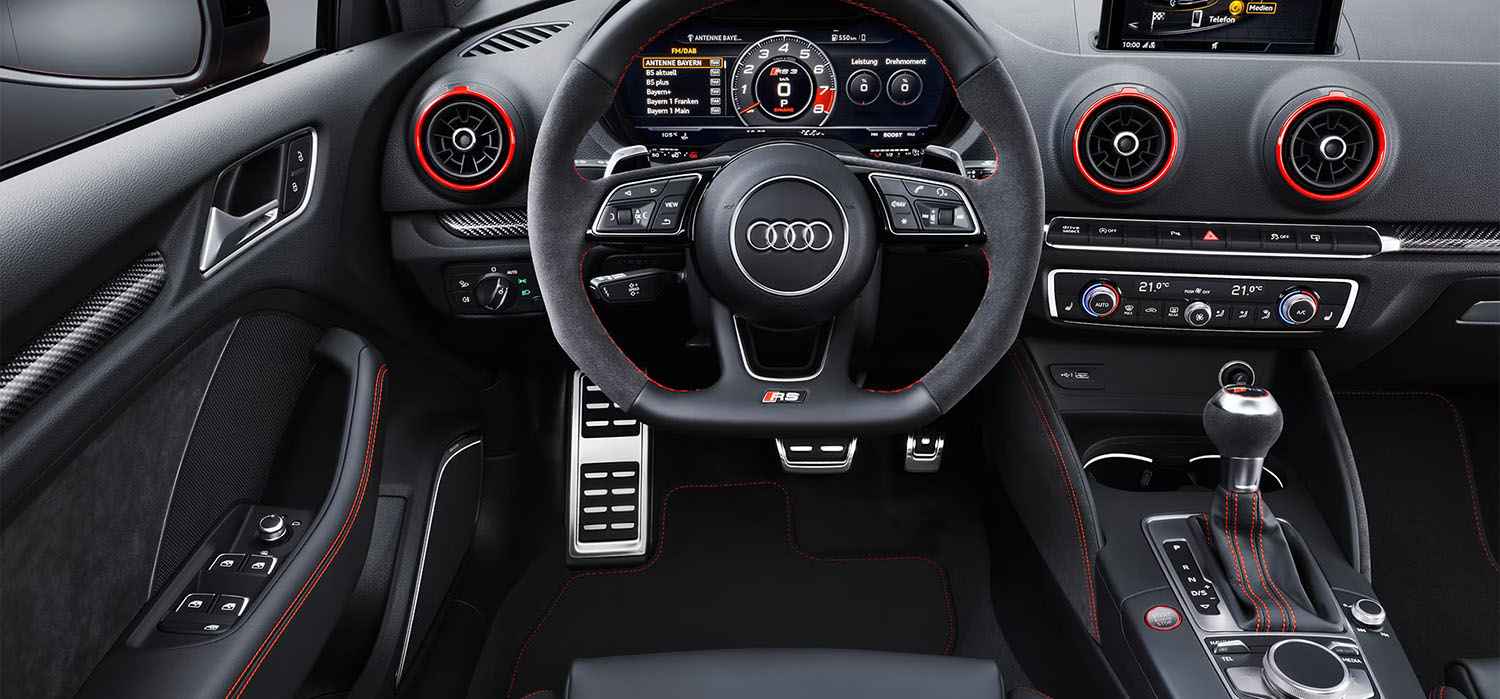
Direct answer A light surface mark, isolated coating defect or loose piece may be repairable when the decorative face, carrier and mounting points remain sound. Replacement becomes more likely when veneer is split, the substrate is warped, retaining tabs are broken, a piece is missing, or a dependable finish and fit cannot be restored. The correct decision begins below the visible surface.
Identify where the damage stops
Interior trim is not one solid decoration. The finish, decorative material, structural carrier and hidden fixings can fail independently, so the visible mark must be traced to its deepest affected layer.
Surface finish
Clear coat, paint, soft-touch coating and polished surfaces can show scratches, clouding, chemical marks or peeling. The depth and condition of the material beneath decide whether controlled restoration is realistic.
Decorative layer
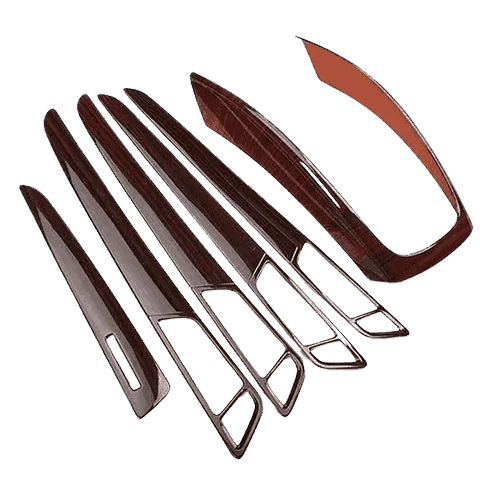
Wood veneer, aluminium skin, carbon-fibre face or patterned film can crack, lift, dent or separate. Repairability depends on material loss, distortion, edge damage and the finish expected across adjacent pieces.
Carrier
The moulded support gives the trim its shape. Heat, impact, water or previous removal can warp or split it even when the front face initially looks reusable. A distorted carrier can leave uneven gaps and recurring movement.
Clips and mountings
Tabs, spring clips, locating pins and screw points hold the piece without noise. Broken retainers can cause lifting, rattling or sharp edges and may change a cosmetic job into structural trim repair or replacement.
Choose the smallest complete solution
The least expensive visible treatment is not always the smallest complete repair. A surface correction that leaves a broken carrier beneath it can return as movement, noise or another crack.
We compare the finish that can be achieved, the strength of the remaining part, access to hidden retainers, nearby material condition and replacement availability. The quotation should identify whether the work covers restoration, one trim piece, a matched set or connected panel work.
Light surface mark
Inspection establishes whether the mark sits in residue, a protective coating or the decorative face. Material-safe cleaning or controlled surface correction may be considered when the substrate is undamaged.
Deep scratch or cracked finish
A scratch through coating into aluminium, veneer or patterned material needs a different decision from a shallow swirl. Refinishing must not erase texture, grain or printed detail that cannot be recreated honestly.
Broken retaining points
One serviceable fixing may be repairable in some locations, while multiple broken tabs or a stressed safety-related surround can make replacement more dependable. Fit is checked before cosmetic work is approved.
Warped or separated substrate
Heat exposure, moisture and previous adhesive can distort the carrier or separate layers. Pressing the face flat temporarily does not restore the original structure, so the full part condition and replacement route are assessed.
Several mismatched pieces
Replacing one damaged inlay can expose colour, gloss, grain or ageing differences across the cabin. We compare the adjacent pieces and explain when an isolated replacement is acceptable and when a coordinated set deserves consideration.
Metal marks need depth checks
Brushed aluminium can show fine wear, deep scratches, dents, oxidation-like staining or damage to a protective coating. These conditions may look similar in a photograph but behave differently during repair.
A light transfer mark may sit above the original finish. A cut across the brushing can alter the visible grain. A dent can stretch the face or distort the carrier behind it. Strong chemicals and unsuitable abrasives can create a bright patch that looks different from every viewing angle. We inspect the damage in changing light and compare it with nearby pieces before recommending any surface work.
Interior areas we assess
Part identification begins with the exact cabin location. Pieces that look related can use different carriers, clips, lighting channels and surface specifications.
Each finish changes the repair
A method suitable for one material can permanently damage another. We identify what the visible face and hidden carrier are made from before cleaning, correction, adhesive work or replacement is considered.
| Material | Common visible concern | What must be confirmed | Why the decision differs |
|---|---|---|---|
| Wood veneer | Cracks, cloudy coating, lifting edges or colour change. | Veneer loss, crack depth, carrier shape, grain and adjacent ageing. | Real veneer is thin. Aggressive sanding or bending can destroy the decorative layer. |
| Brushed aluminium | Scratches, dents, bright patches and coating damage. | Brush direction, material depth, surface coating and support condition. | A local correction can change reflectivity and texture even when the scratch becomes smaller. |
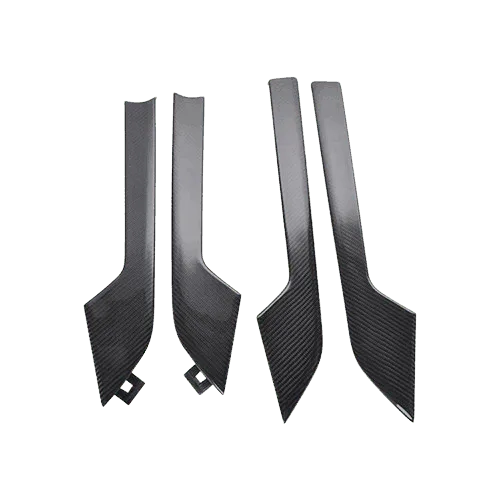
| Carbon fibre | Clear-coat marks, chips, edge damage or separation. | Genuine construction or decorative finish, weave, gloss, carrier and fit. | Visual similarity does not prove identical material, pattern or compatible mounting. |
| Piano black | Fine swirls, deep scratches, chips and chemical marks. | Scratch depth, coating thickness, edge damage and surrounding gloss. | High gloss reveals uneven correction easily, especially beside an untouched panel. |
| Soft-touch plastic | Peeling, stickiness, scratches and worn high-contact areas. | Coating failure, plastic condition, markings and replacement availability. | Cleaning cannot restore a failed coating, and strong solvents can enlarge the damaged area. |
| Wrapped trim | Lifting seams, scuffs, stains or damaged stitching. | Leather, synthetic material or fabric type, foam, adhesive and edge construction. | Surface, padding and underlying trim may require separate repair decisions. |
Pattern alone does not prove compatibility
Two carbon-fibre-style pieces can look alike in a seller photograph while differing in weave direction, gloss, edge profile, carrier shape, clips or installed equipment.
We identify the original part from the vehicle specification and physical details. Genuine carbon-fibre construction, a carbon-fibre decorative layer and a printed pattern do not have the same repair behaviour or value. The replacement also has to sit correctly beside the console, dashboard or door panel without forcing clips or creating uneven gaps.
When one piece is being changed, the comparison includes colour temperature, weave scale, direction and gloss under normal cabin light. A lower price is not useful if the part arrives with the wrong carrier or produces a visibly mismatched cabin.
Match more than the model badge
Audi A, Q, S, RS, TT and e-tron interiors vary across model years, body styles, production changes and optional packages. The exact trim must be identified before a used, new or alternative part is approved.
From damage record to fit check
Document the damage
We record the exact location, visible condition, cause when known, previous work and any rattle, movement, sharp edge or connected control fault.
Identify the fitted trim
Vehicle data, part markings, material, colour, grain, position and installed features establish what the original piece must support.
Inspect hidden fixings
Where removal is justified, clips, tabs, carrier, surrounding panel and wiring are protected and examined before the final scope is agreed.
Approve the repair route
The quotation states restoration, refinishing, isolated replacement, matched-set work and any connected panel or clip requirement.
Remove and install carefully
Correct access points and trim tools reduce avoidable marks. Fasteners and wiring are returned to their intended routes rather than hidden with adhesive.
Verify fit and finish
Gaps, security, surface appearance, rattles, lighting, switches and nearby cabin functions are checked as applicable before handover.
What changes the installed cost
An honest Audi interior trim replacement price cannot come from the model badge alone. The affected layer, exact material, part availability, access and the number of pieces determine the complete scope.
Compare the complete result
A useful quotation explains the identified part, source and condition, repair or refinishing work, clips, removal, installation and the checks included after fitting.
Keep each repair intent clear
This page covers decorative interior trim, its carrier and mounting. Use the closest specialist page when damage continues into a complete dashboard, door or cleaning concern.
Audi door repairDoor alignment, structure, locks, seals, wiring and connected panel damage.
Audi interior cleaningMaterial-aware cleaning for seats, carpets, trim, screens, stains and odours.
Audi parts guideCompare genuine, supplier, aftermarket and used parts by fit and complete scope.
Audi model repair hubFind broader repair and service information for your Audi model family.
Workshop contact detailsFind the Al Quoz 4 location and direct ways to contact the workshop.
Audi interior trim FAQs
Photos can narrow the first discussion, but hands-on inspection and part identification decide the final repair.
Can scratched Audi interior trim be repaired?
Some light surface marks can be reduced when the original coating and decorative layer remain serviceable. Deep scratches, missing material, altered texture or damage through a thin veneer may not produce a dependable local repair. We identify the material and scratch depth before recommending correction or replacement.
Can cracked Audi wood trim be replaced separately?
Often, an individual wood-trim piece can be considered when the correct part, grain, colour, gloss, carrier and mountings are available. Ageing can make a new or used piece look different from adjacent inlays, so the surrounding set is compared before an isolated replacement is approved.
Can you replace trim on an Audi door panel?
That depends on how the trim is constructed. Some decorative inlays are separate service pieces, while others are integrated into the door panel or use retainers that need careful access from behind. We inspect the inlay, complete panel, clips, switches and nearby upholstery before defining the scope.
Can a replacement match the original colour and grain?
We use vehicle data, part markings and physical comparison to identify the intended finish. Wood, high-gloss and metallic pieces can change with age and cleaning history, so an exact visual match cannot be promised from a catalogue image alone. The replacement is compared with adjacent trim before installation where practical.
Can broken trim clips be repaired?
An isolated mounting point may sometimes be repairable when the carrier remains strong and the repair will hold the piece safely. Multiple broken tabs, a distorted carrier or damage beside a control, display or airbag-related area can make replacement more dependable. We do not use visible household adhesive as a substitute for correct retention.
Is used original Audi trim a reasonable option?
It can be when a new part is unavailable or the used piece offers the correct original finish. Condition must be verified for cracks, fading, coating failure, warped carriers, broken tabs and previous repairs. The exact part and complete installed cost should be compared with other suitable routes.
Does ambient lighting affect trim compatibility?
Yes. Some interior pieces contain or sit beside light guides, diffusers, wiring and connectors. A visually similar trim without the correct lighting provision may fit poorly or remove a function. Installed equipment is checked as part of identification.
What photographs should I send?
Send one close image in clear light, one wider image showing the location in the cabin and one side angle if the piece is lifting or warped. Include the model, year, affected area, what caused the damage when known and whether any clips or fragments have detached.
What affects the completion time?
Diagnosis, material, access, hidden damage, refinishing requirements and exact part availability all matter. A local surface assessment and a model-specific replacement ordered from elsewhere are different jobs. The workshop can explain the likely sequence after the trim and vehicle specification are identified.
Show us the trim and its cabin position
Send the model, year, a close damage photo and a wider cabin view. We will identify whether the next step is surface assessment, clip and carrier inspection, part matching or a connected dashboard or door repair.
AMF Auto Services, Warehouse 39, Al Quoz 4, Dubai. Monday to Saturday, 9 AM to 7 PM.