
Audi headlight vertical aim control failure repair in Dubai
An Audi headlight vertical aim control failure does not identify one failed part. The warning can relate to a ride-height input, sensor linkage, wiring, a levelling actuator, the headlamp control system, physical lamp position or missing calibration. We identify the fitted lighting system, confirm what the beams are doing and test the relevant circuit before recommending parts.
The quickest useful description is what changed. Tell us whether one beam sits high or low, whether the lights move at startup, and which dashboard message is shown.
If forward lighting is inadequate, a lamp is loose, or the beam is clearly dazzling other drivers, avoid normal night driving until the fault is checked.
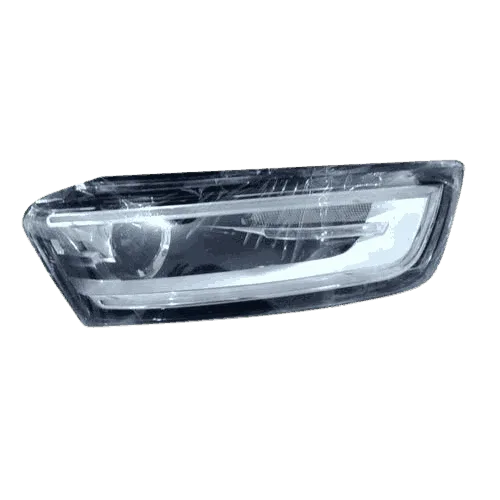
What vertical aim control does
Headlight aim affects where the main beam pattern meets the road. On vehicles equipped with automatic levelling, the system can use vehicle-height information and headlamp actuators to compensate for changes that would otherwise raise or lower the beam. The exact arrangement depends on the Audi model, production year and installed headlight specification.
A dashboard message tells you that the system has detected a problem or cannot complete an expected function. It does not prove that the headlamp assembly has failed. A sensor arm can be disconnected, a mounting point can be disturbed, wiring can lose continuity, an actuator can stop responding, or a replacement component can require correct setup.
A low or high beam can also have a mechanical cause. Lamp mounting, previous impact work, suspension height, or a manually disturbed adjustment can change beam position without creating the same electrical fault. Diagnosis therefore starts by comparing the warning, the actual light output and the fitted system.
Read the beam, not only the warning
The same message can appear with very different real-world lighting conditions. Use what the headlights are doing to decide the next step, then preserve the exact warning for diagnosis.
Warning with usable lighting
The message is present, but both required forward lights operate and the beam pattern does not appear obviously unsafe. Book an inspection and avoid clearing the message before the vehicle is scanned.
Uneven or fixed beam position
One beam sits noticeably high or low, the lamps no longer perform their normal movement, or the road is poorly illuminated. Arrange diagnosis before driving conditions depend on the affected lighting.
Inadequate or unstable lighting
A required light is out, the beam dazzles traffic, the lamp is loose after impact, or visibility is inadequate. Do not continue normal night driving. Call to discuss repair or transport.
How we narrow down the cause
A useful diagnosis connects the warning to the physical beam and the correct vehicle equipment. It avoids replacing a complete headlamp because a fault description sounds familiar.
Record the behaviour
Check the exact warning, affected side, light output, beam position and whether the problem is constant or intermittent.
Match the system
Use the model, year, vehicle identity and fitted lighting equipment before selecting tests or parts.
Read relevant faults
Review lighting and related control information where applicable instead of guessing from the dashboard text.
Test the chain
Inspect sensors, linkages, wiring, mounts, lamp condition and component response according to the system fitted.
Set up and check
After repair, complete required basic settings or calibration and confirm the warning and beam position.
What can interrupt headlight levelling
The likely checks depend on the vehicle and its lighting specification. These are diagnostic categories, not a list of parts that should be replaced together.
Height sensor and linkage
A front or rear ride-height input can be wrong if the sensor, arm, connector or mounting has been damaged, disconnected or moved. The linkage and live response need to be checked before condemning the sensor.
Wiring and connectors
Open circuits, poor grounds, corrosion, connector damage or previous repair work can interrupt power, signal or communication. A stored fault code alone does not show where the circuit has failed.
Levelling actuator
The motor or mechanism that moves the reflector or lamp unit can fail to respond, bind, or reach an implausible position. Mechanical movement and electrical command should be considered together.
Control module and supply
A headlamp or lighting control unit can store faults because of its own failure, low supply voltage, water entry, incompatible replacement parts or a problem elsewhere in the system.
Lamp mounting or damage
Impact damage, broken mounting points, water inside the housing or an incorrectly seated assembly can affect aim and component operation. Physical condition is checked before calibration.
Setup and calibration
Headlamp, suspension or sensor work can leave the system needing correct basic settings or aim verification. Calibration cannot repair damaged hardware or an unresolved electrical fault.
What the repair may include
The repair scope is chosen after the failed area is confirmed. The aim is to correct the fault without treating every warning as a complete-headlamp replacement.
Component and circuit work
Depending on the diagnosis and serviceability of the fitted system, work may include:
- Repairing a damaged wire, connector, power supply or ground
- Replacing a confirmed ride-height sensor or damaged linkage
- Repairing or replacing a levelling actuator where it is serviceable
- Correcting a damaged lamp mounting point or assembly position
- Repairing or replacing a compatible headlamp control component
- Addressing water ingress or physical headlamp damage
- Matching replacement parts to the exact vehicle specification
Why the repair cost changes
A quotation should follow diagnosis because a sensor linkage, wiring repair, control component and complete headlamp assembly have very different parts and labour requirements.
| Variable | Why it matters | Useful information to provide |
|---|---|---|
| Headlight technology | Halogen, xenon, LED, adaptive and other equipped systems use different light sources, drivers, modules and setup requirements. | Model, year, vehicle identity and a clear photo of the lamp or warning. |
| Affected side and functions | One low beam being out is different from both lamps remaining at an incorrect height or an adaptive movement fault. | State whether the left, right or both sides are affected and which functions still work. |
| Physical condition | Broken mounts, collision damage, condensation or water inside the lamp can expand the repair beyond calibration. | Mention impact, body repair, washing, flooding or visible moisture. |
| Electrical diagnosis | Wiring access, connector damage, supply faults and communication issues change the time and repair method. | Say whether the fault is constant, intermittent or followed battery work. |
| Parts and setup | A similar-looking lamp or module may differ by side, market, options, part number and required configuration. | Send vehicle details before parts are ordered or installed. |

One warning, different Audi systems
Audi A, S, RS, Q, TT and e-tron vehicles can use different lighting arrangements across generations and option packages. A model name and year help, but they may not fully identify the lamp, module or levelling equipment. Vehicle identity, the original part information and the functions fitted to the car provide a safer basis for parts matching.
A dipped-beam failure can overlap with a headlight complaint without being the same as a vertical aim fault. If the dashboard specifically identifies the left or right dipped beam, review the dedicated Audi dipped-beam failure page. For a broader explanation of warning urgency and what evidence to preserve, see the Audi dashboard warning lights guide.
Preserve the clues that help diagnosis
A few observations can shorten the path from warning message to the correct inspection. Do not clear faults or repeatedly force the headlight movement to create more evidence.
Questions about headlight aim faults
What does Audi headlight vertical aim control failure mean?
It means the vehicle has detected a problem with the control or expected position of the headlight levelling system. The message does not identify the failed part. Depending on the fitted system, diagnosis may involve height sensors, linkages, wiring, actuators, modules, lamp position and basic settings.
Can I drive with the vertical aim warning?
Urgency depends on the actual lighting. If required forward lighting is inadequate, the beam is clearly dazzling traffic, or a lamp is loose, avoid normal night driving and arrange help. If both lights operate and the beam appears usable, the warning still needs diagnosis before conditions depend on the affected function.
Can a suspension sensor cause the warning?
Where the lighting system uses a vehicle-height input, a sensor, linkage, connector, mounting point or related wiring can affect levelling. The sensor should not be replaced from the warning alone. Its physical condition, signal and related circuit need to be checked.
Does a replacement headlamp need calibration?
It can. The requirement depends on the vehicle and what was replaced or disturbed. Correct mechanical installation comes first. Basic settings, coding or aim verification may then be required for the fitted equipment.
Is a dipped-beam failure the same fault?
No. A dipped-beam failure usually identifies a problem with a lighting output and can involve the light source, driver, ballast, supply, wiring or assembly. A vertical aim warning relates to beam-position control. Both messages can appear together, so the actual functions and stored faults should be checked.
Can water inside the headlamp cause this problem?
Persistent moisture or water can damage connectors, internal electronics or control components, but condensation is not proof of the vertical aim fault. The housing, vents, covers, seals, electrical condition and stored faults need inspection.
Does every Audi use the same levelling system?
No. Equipment changes by model, generation, market and options. Some vehicles have simpler manual or automatic arrangements, while other headlamps add adaptive functions. Vehicle and lamp identification are important before testing or ordering parts.
What should I send before booking?
Send the Audi model, model year, exact dashboard message, affected side, whether the lights still operate, and whether the fault followed impact, suspension, battery or headlamp work. A clear photo of the warning can help preserve the wording.
Book an aim-control diagnosis
Call directly or use WhatsApp if you want the quickest booking path. The enquiry form is available as an additional option and does not replace either direct contact method.
- Audi model and model year
- Exact dashboard message
- Left, right or both headlights affected
- Any recent impact, suspension, battery or lamp work
Send an Audi enquiry
Use the form if you prefer to leave the vehicle and warning details for the workshop team.