
Audi Brake Lamp Malfunction Repair in Dubai
An Audi brake lamp malfunction can begin at the bulb or LED unit, but it can also involve the socket, connector, wiring, fuse, pedal switch or a monitored control circuit. We identify the failed part of the signal path before recommending a repair.
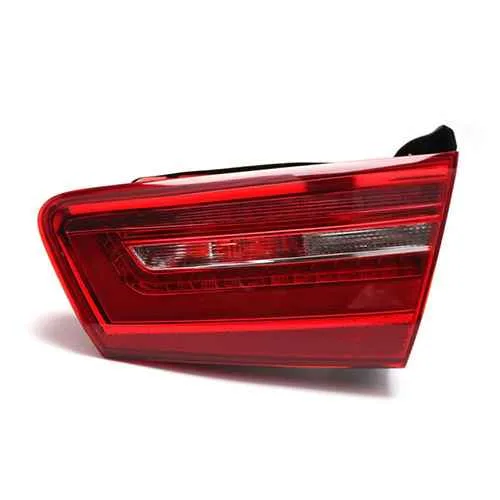
No brake lamps illuminate, lamps stay on continuously, or braking behavior has also changed.
One side is dark, output flickers, brightness is uneven, or the warning returns after replacement.
Photograph the exact message and note the affected side, weather and recent lamp work.
What an Audi brake lamp malfunction means
The brake lamps tell following traffic that the driver is slowing or stopping. Depending on model, year and rear-lamp specification, the visible output may come from a replaceable bulb, an LED board, a lamp driver or a combination of lighting elements. The vehicle can monitor those circuits and display a left, right or general brake-lamp warning when actual behavior differs from the expected behavior.
The dashboard message does not confirm that the complete rear lamp needs replacement. A conventional bulb can fail, but a good bulb can also sit in a heat-damaged holder or receive unstable voltage through a loose terminal. An LED section may be dark because its driver has failed, while another function in the same assembly continues to operate. A lamp can illuminate yet still trigger a warning if the installed part has the wrong electrical characteristics.
The first useful distinction is whether the fault affects one side, both sides, the high-mounted center lamp or several rear-light functions together. The second is whether the light is always dark, remains on, flickers, changes over bumps or only produces an intermittent warning. These observations narrow the test without turning a dashboard message into a parts order.
A brake lamp warning is separate from a brake pad, hydraulic, ABS or parking-brake warning. If pedal feel, stopping distance, pulling, fluid loss or another braking symptom has changed, the wider braking system needs assessment. Our Audi brake repair service explains those mechanical and hydraulic warning routes.
Where the brake-light fault can begin
Diagnosis starts with the exact installed lamp system and follows evidence from the pedal request to the visible light. These sources can create similar warnings but require different repairs.
Bulb or LED output
A filament may open, an LED segment may fail, or output may become dim and uneven. The correct source depends on the rear-lamp design fitted to the vehicle.
Heat or poor contact
Loose terminal tension, corrosion, overheated plastic or contamination can interrupt current. Repeated bulb failure deserves a holder and supply check, not another blind replacement.
Wiring and ground
A damaged wire, shared ground fault or movement near the tailgate and body harness can make the warning intermittent or affect several functions in one assembly.
Brake-light switch
The switch or its interpreted signal tells the vehicle that the pedal has been pressed. A fault here may affect both sides or cause lamps to remain on.
Fuse and voltage
Power supply, relevant protection and voltage stability must be checked when several outputs fail. A fuse should never be replaced repeatedly without finding why it opens.
Module or configuration
LED drivers, body-control outputs, installed part numbers, coding and stored channel faults matter after lamp replacement or when visible operation does not match the warning.
Audi brake light malfunction clues
The same dashboard wording can lead to different test points. A symptom matrix keeps the diagnosis tied to what the car is actually doing.
| Observed behavior | Useful first checks | Do not assume |
|---|---|---|
| One brake lamp is completely dark | Correct bulb or LED channel, socket condition, connector, power, ground and stored side-specific fault | That the complete assembly has failed |
| Both side lamps are dark | Pedal-switch input, common supply, fuse protection, module request and whether the center lamp operates | That two bulbs failed at the same moment |
| Lamp works but warning remains | Part specification, current monitoring, terminal resistance, intermittent status and configuration | That visible light proves the circuit is electrically normal |
| Brake lamps remain on | Pedal-switch state, pedal return, signal plausibility and relevant control data | That the rear lamp assembly is the source |
| Warning changes over bumps | Connector fit, terminal tension, harness movement, lamp mounting and moisture traces | That an intermittent fault will appear during a static glance |
| Several rear-light functions misbehave | Shared ground, common connector, heat damage, water entry and lamp electronics | That every individual light source failed separately |
| Fault began after replacement | Part number, bulb specification, LED driver, connector seating, coding and adaptations where applicable | That every replacement lamp is plug-and-play |
If none of the rear brake lamps illuminate, do not continue normal driving. Drivers behind may not receive a stopping signal. Park safely and call to discuss inspection or recovery. If braking performance has also changed, treat the braking complaint as the higher priority.
Left, right and two-stage warnings
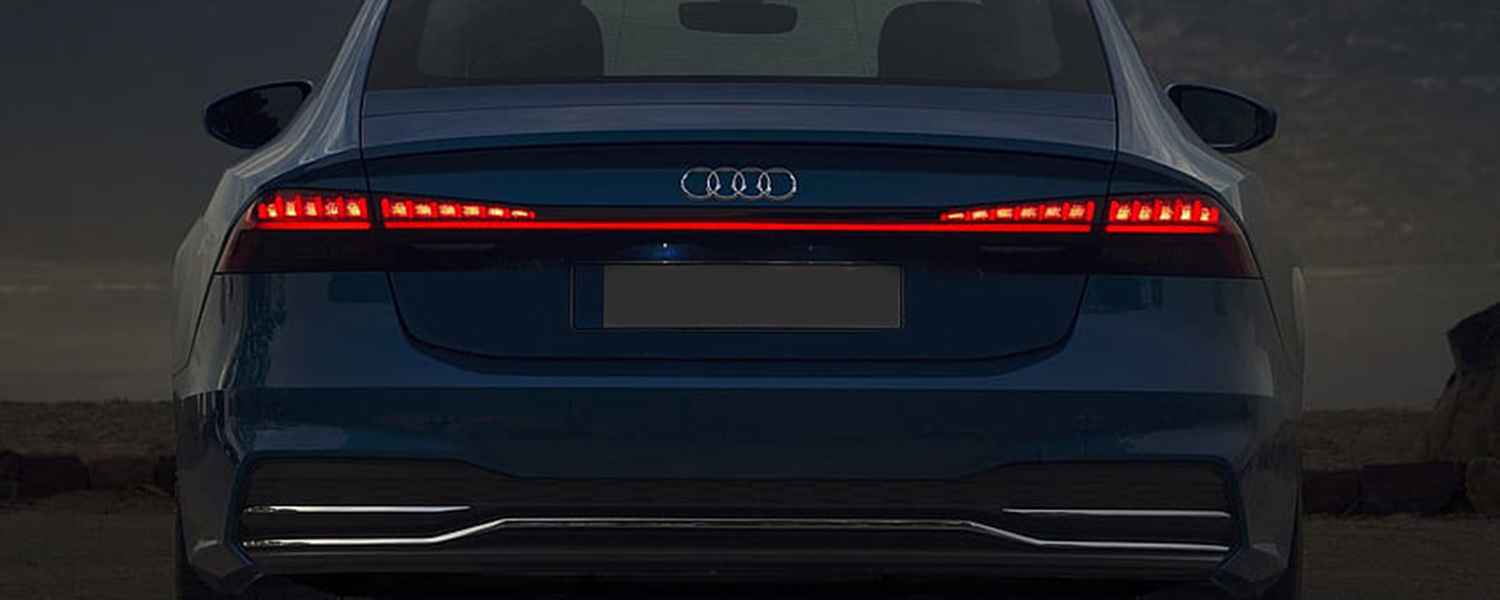
Left brake lamp malfunction
A left-side warning focuses the first checks on that lamp, its holder or electronics, the left connector and local wiring. Other functions in the same assembly help reveal whether a shared ground or connector is involved. The message still needs to be matched to the actual Audi lighting specification.
Right brake lamp malfunction
A right-side message follows the same evidence-led process on the opposite circuit. Comparing right and left brightness, response time and related tail-light functions can expose resistance, a partial LED failure or an incorrect replacement part.
Two-stage brake lamp malfunction
Some Audi configurations use more than one brake-light stage or monitored output. The exact behavior varies by model, market, year and lamp equipment, so the wording should not be treated as proof of one universal Audi design.
- Record the complete dashboard message.
- Confirm which lamp elements respond to the pedal.
- Check part numbers and installed equipment.
- Test each relevant output and monitored channel.
- Verify the repair under the conditions that produced the fault.
How the brake-lamp system is tested
The sequence is adjusted to the installed system, but it should preserve the warning evidence and confirm the signal path rather than clear codes first.
Record the message
We note the exact wording, affected side, static or intermittent status, recent repairs and the conditions under which the warning appears.
Compare lamp functions
Brake lamps, the high-mounted lamp and related rear-light functions are checked from both sides. Brightness, delay, flicker and interaction provide useful clues.
Read relevant faults
Stored records and live states are reviewed before clearing. A code identifies a circuit or condition that must still be verified physically.
Test the circuit
The appropriate voltage, ground, terminal condition, load behavior, switch input, module output or lamp electronics are tested according to the finding.
After repair, the lamps are operated repeatedly and the warning status is rechecked. Intermittent faults may need connector movement, temperature or moisture evidence to reproduce them safely. A cleared message alone is not proof that the original cause has been corrected.
Different faults need different repairs
The correct scope can be a small component repair or a lamp-level replacement. The decision should come after the circuit and installed equipment are identified.
Bulb and holder work
A failed conventional bulb is replaced with the correct specification. The holder, seal, contacts and surrounding plastic are inspected so heat damage, looseness or moisture does not cause a repeat failure.
Connector and wiring repair
Damaged terminals, poor tension, corrosion or harness faults are repaired at the confirmed point. Wiring work must restore a secure electrical path and appropriate sealing rather than simply suppressing the warning.
Switch and input faults
If the pedal request is missing, implausible or remains active, the switch, installation, pedal return and interpreted live data are assessed. This route is especially important when both sides behave incorrectly.
LED lamp and module decisions
An LED fault may involve a board, driver, connector, control output or complete assembly, depending on design and serviceability. Part number and configuration are confirmed before installation, and required coding or adaptation is addressed only when applicable.
Moisture deserves its own investigation. Condensation and water entry are not identical conditions, and replacing an electrical part without addressing a damaged seal, housing or drainage path can allow the fault to return. Evidence such as corrosion tracks, water marks and terminal condition helps define the repair.
A warning that appears after body repair, tailgate work, battery work or lamp replacement should be assessed in that context. Disturbed connectors, pinched harnesses, incorrect assemblies and configuration changes are more useful leads than an unrelated list of common Audi problems. If the physical rear lamp is cracked, damaged or beyond service, see the dedicated Audi tail-light replacement and repair page.
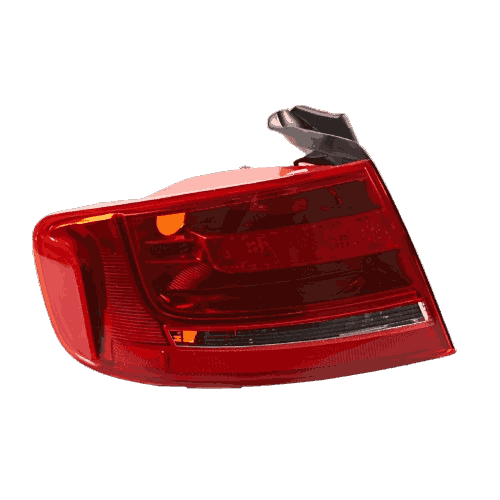
The VIN matters more than the badge
Audi A, Q, S, RS and e-tron models span different generations and rear-lamp technologies. The correct repair path comes from the vehicle identity, body style, market specification and installed lamp, not the badge alone.
Send the details that separate similar lamp systems
Share the model, year, VIN if available, exact dashboard message and a photograph of the affected lamp. State whether the fault began after replacement, body work, rain, washing or battery work. A photograph cannot replace circuit testing, but it can help identify the correct starting point.
Note whether the center brake lamp works, when the warning appears and whether indicators, tail lamps or reversing lights change at the same time.
Compare both sides, operate the pedal repeatedly and confirm shared lamp functions before treating a cleared warning as proof.
Parts follow identification. Rear lamps can vary with body style, facelift, equipment and market. Two units that look similar may use different connectors, drivers or monitoring behavior, so an online visual match is not a dependable replacement decision.
A warning after a low-voltage event is approached differently from a fault that returns whenever the boot lid moves. Keeping the symptom timing, work history and installed part details together shortens the route to the actual circuit.
Audi brake lamp malfunction questions
What causes an Audi brake lamp malfunction?
Possible causes include a failed bulb or LED element, damaged holder, loose or corroded connector, wiring or ground fault, fuse problem, brake-light switch fault, lamp electronics, module output or an incorrect replacement part. The exact message and lamp behavior determine the first checks.
Can I drive with an Audi brake lamp warning?
If no brake lamps illuminate, do not continue normal driving because following traffic may not see that you are stopping. A single-side fault also needs prompt attention. If braking behavior or pedal feel has changed, stop and treat the wider brake-system concern as the priority.
Why does the warning remain after changing the bulb?
The bulb may be the wrong specification, the holder or connector may have excessive resistance, wiring may be intermittent, or the vehicle may be detecting a different failed channel. An LED-equipped lamp may not use a serviceable conventional bulb at all.
What does a left or right brake lamp warning mean?
It identifies the side on which the vehicle detected abnormal behavior. The light source, local connector, ground, wiring and monitored output on that side should be compared with the opposite lamp before deciding what to replace.
What is a two-stage brake lamp malfunction?
It refers to a fault involving a staged or separately monitored brake-light function on applicable equipment. Operation is not identical across every Audi, so the model, year, market specification, installed lamp and exact message must guide diagnosis.
Can moisture cause an intermittent brake-light fault?
Yes. Water entry or corrosion can affect terminals, lamp electronics and wiring, sometimes only under certain temperature or humidity conditions. The source of moisture and the resulting electrical damage both need attention.
Can an Audi LED rear-light unit be repaired?
Serviceability depends on the lamp design and the failed layer. Some faults lie outside the sealed lamp, while others involve internal electronics or an assembly that is not designed for component-level service. Testing determines the sensible repair path.
How is the fault diagnosed?
The process records the exact warning, compares all relevant lamp functions, reads stored faults and live states, then tests the applicable light source, power, ground, terminals, wiring, switch input and control output. The final verification confirms both visible operation and warning status.
Let the evidence choose the repair
Share the Audi model, year, affected side and a photo of the dashboard message. If no brake lamps work, call before driving.