
Audi Brake Repair Timing | Top Signs That Save You Big Money
Ever been driving your Audi and thought, “Hmm… that brake pedal feels different today”? Maybe it’s softer, maybe it needs more pressure to slow down, or maybe there’s a noise you’re sure wasn’t there last week. Brakes don’t just go from perfect to broken overnight. They slowly wear down, quietly, until one day you can’t ignore it anymore, and that’s when Audi brake repair jumps to the top of your to-do list.
Imagine this, you’re late for a meeting, cruising along, and suddenly you hear a squeal that makes you turn down the radio. You think, “It’s probably just a bit of dust.” Two weeks later, your stopping distance has doubled, the rotors are worn thin, and you’re Googling Audi brake repair in a hurry. This blog is here so you can spot those signs early, fix things before they get expensive, and keep your Audi stopping like it should.
Hook | Why Audi Brake Repair Problems Sneak Up On You
Why do Audi brake problems always seem to pop up when you least need them? Because they creep in quietly. Brakes wear down gradually, and since you’re behind the wheel every day, you get used to the tiny changes without even noticing.
Driving in city traffic, making short trips, carrying heavy loads, and braking hard all add extra stress to the system. And Audi’s advanced braking tech? It can mask those early symptoms, making you think everything is fine when it’s not.
Here’s why Audi brake repair often feels like a surprise, and why catching things early can save you a headache.
- Gradual wear hides easily
Pads and rotors lose a bit of material every time you stop. Over time, the change in feel is so slow you don’t notice until it’s a bigger problem. - Driving style speeds things up
If you’re braking hard, driving short distances often, or carrying extra weight, you’re wearing components out faster. That means sooner Audi brake repair and higher costs. - Advanced systems mask the symptoms
Brake assist and stability control smooth out the feel, so you might not realise parts are worn until the warning light flashes.
Spotting issues at the first sign could be the difference between a quick pad swap and a full brake overhaul.
Quick Checklist | Top Signs You Need Audi Brake Repair Now
How do you know it is time to take action? Your Audi has ways of telling you something is wrong, and these signs should never be ignored. Catching problems early means your Audi brake repair could be a simple, affordable fix instead of a major job. The more you understand these signals, the faster you can protect both your safety and your budget.
- Unusual noises
Squealing often happens when brake pads are worn down or glazed from excessive heat. Addressing this promptly keeps rotor surfaces smooth and prevents the repair from becoming a larger Audi brake repair job.
Grinding is more serious. It means the pad material is gone and the metal backing is cutting into the rotor. At this stage, you will need new pads and rotors, which increases your Audi brake repair cost.
For a detailed look at pad replacement intervals, warning signs, and pricing, read Audi Brake Pad Service in Dubai | What You Need to Know to better understand when to replace your pads before they damage the rotors.
- Vibration or pulsation
If your brake pedal or steering wheel shakes while slowing down, your rotors may be warped or your pads may have uneven deposits. Both problems reduce braking efficiency and, if left untreated, lead to more expensive Audi brake repair work later. - Dashboard or MMI warnings
Audi’s monitoring systems are advanced. When the dashboard or MMI flags low pad thickness, worn brake sensors, low fluid, or ABS system issues, these are direct alerts to schedule an Audi brake repair before the problem escalates. - Pulling to one side
If the car drifts when you apply the brakes, it can mean a seized caliper, uneven pad wear, or hydraulic pressure issues. These faults cause uneven braking and put stress on other components, making the eventual Audi brake repair more complicated. - Burning smell after braking
A sharp burning odor after extended or heavy braking is a red flag. It often points to overheated pads or fluid. This condition not only lowers braking power but also risks damaging calipers and rotors, leading to a higher Audi brake repair bill.
Think of these signs as your Audi’s voice, asking for attention. Acting quickly turns potential emergencies into manageable Audi brake repair tasks and keeps your car in peak condition for every drive.
How Audi Brake Repair Works | Pads, Rotors, Calipers, ABS, ESC
Ever press the brake pedal and wonder what is actually going on beneath your feet? In an Audi, every press of that pedal triggers a blend of precise mechanical movement and advanced electronic control. Understanding these components and how they work together is key to knowing why timely Audi brake repair matters so much. Once you understand the chain reaction, you can see why neglecting one part can lead to a much bigger Audi brake repair bill later.
- Brake pads
Brake pads create the friction needed to slow and stop your Audi. They are made from high-friction material bonded to a backing plate. Over time, this material wears away, and when it gets too thin, your stopping power is reduced. Worn pads are the most common reason drivers need Audi brake repair, and replacing them before they damage the rotors can save you from a larger repair. - Brake rotors
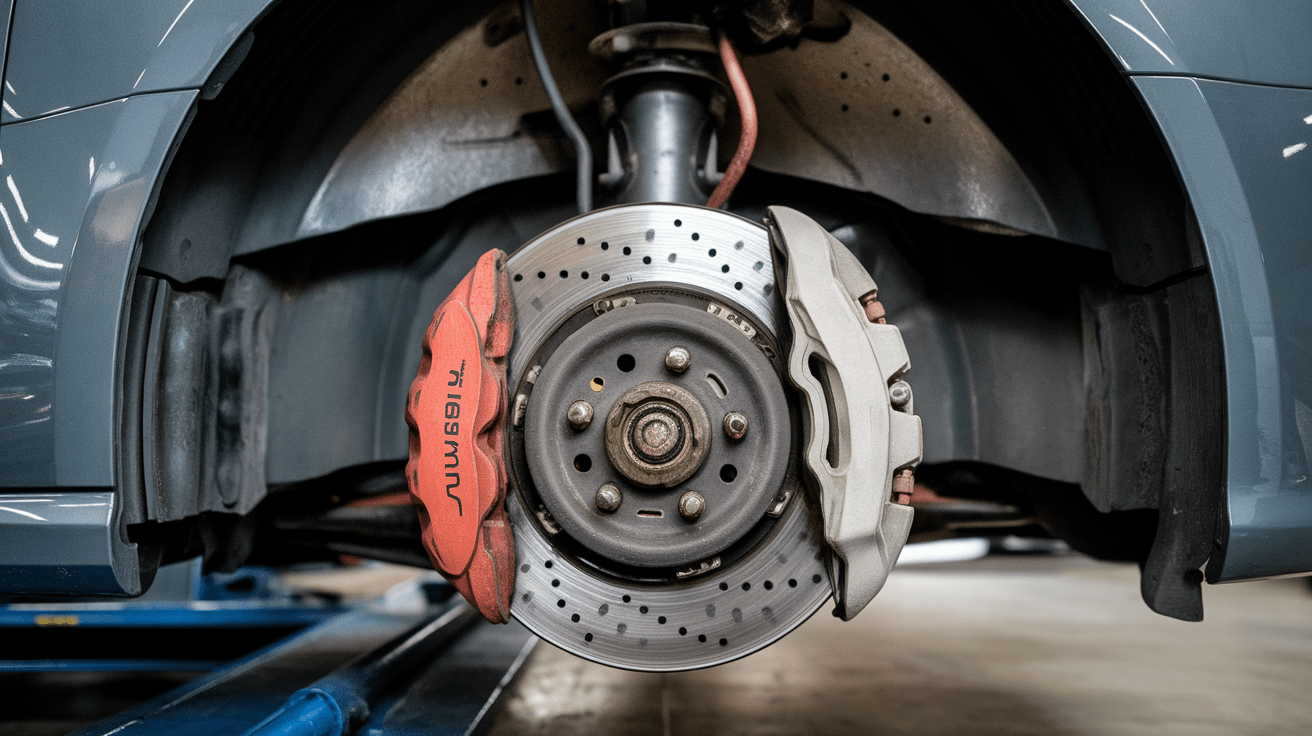
Rotors are the spinning metal discs your pads clamp onto. They must remain smooth and within thickness specifications to work effectively. If they become warped from heat or worn with grooves, braking becomes uneven and noisy. Replacing or resurfacing rotors is a core part of many Audi brake repair jobs, especially if they are damaged from driving with worn pads. - Calipers
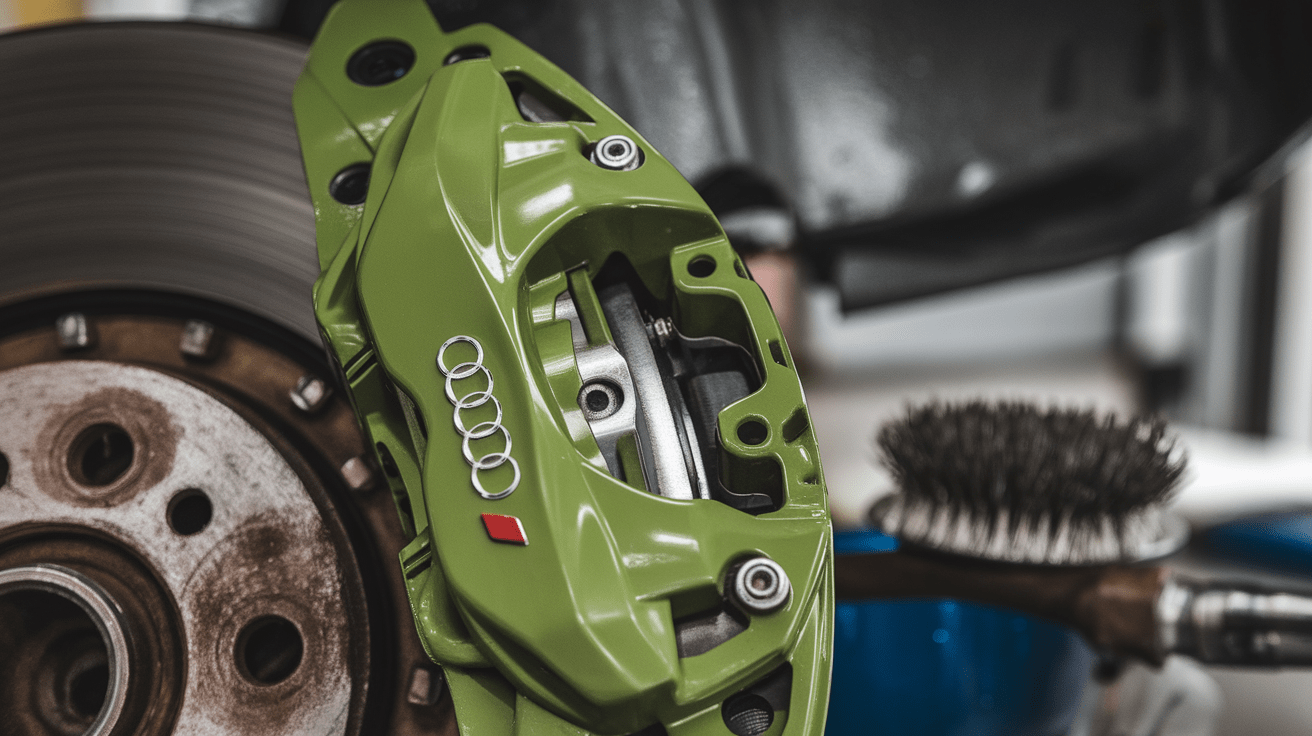
Calipers house the brake pads and use hydraulic pressure to push them against the rotors. A sticking caliper can cause one wheel to brake harder than the others, leading to uneven pad wear, pulling to one side, and increased heat. In many cases, Audi brake repair for calipers involves cleaning, lubricating, or replacing them to restore smooth operation. - Brake fluid
Brake fluid transfers your foot’s force on the pedal into actual stopping power at the wheels. It must stay clean and at the proper level for safe braking. Over time, brake fluid absorbs moisture from the air, reducing its boiling point and efficiency. A proper Audi brake repair often includes a fluid flush to restore performance and protect the braking system from corrosion. - ABS & ESC systems
The Anti-lock Braking System (ABS) and Electronic Stability Control (ESC) prevent wheel lock-up, improve handling under braking, and help keep the car stable. They also track data from brake wear sensors and other components, alerting you when Audi brake repair is needed. If these systems detect an issue, ignoring the warning can compromise both safety and repair costs.
Knowing how each part functions helps you see why it is crucial to get Audi brake repair done on time. Fixing problems early prevents small issues from spreading through the system, keeps your car performing at its best, and ensures every stop is smooth, controlled, and safe.
Audi Brake Repair Sensor Warning | What That Light Really Means
That brake warning light on your dashboard is not there for decoration. It is your Audi’s way of telling you that your brake pads are nearing the end of their life, and it is time to start thinking seriously about Audi brake repair. This alert is not just a suggestion, it is a direct message from your car’s monitoring system that action is needed before more expensive damage occurs.
- Dual sensor setup
Audi uses two separate brake wear sensors, one for the front brakes and one for the rear. This allows the system to monitor each axle independently for precise readings. When one of these sensors detects excessive wear, it sends the signal to illuminate the warning light. By acting at this point, you can schedule Audi brake repair at a convenient time rather than rushing to fix a more urgent problem. - Early warning range
The brake warning light is designed to give you a safety margin before complete pad wear. In most Audis, the light comes on with between 1,000 and 4,000 kilometres of pad life remaining. This window gives you time to budget, plan, and arrange your Audi brake repair without risking total brake failure. - Ignoring it costs more
Driving beyond this point allows the pads to wear down completely, exposing the metal backing plate to the rotor. This contact creates deep grooves, heat damage, and potentially warped rotors, turning a simple pad replacement into a full Audi brake repair involving rotors, calipers, and sometimes sensors as well.
Think of that warning light like a weather forecast, it is there to prepare you, not scare you. Taking it seriously means you can get Audi brake repair done on your schedule, at a lower cost, and with far less stress than waiting for a serious braking issue to appear.
Audi Brake Repair Costs | Pads, Rotors, Sensors, And Fluid Explained
Before booking your next Audi brake repair, it helps to know what the going rates are. Prices can vary depending on your model, driving style, and parts used, but having a reference means you can walk into any garage with confidence. This way, you will spot fair deals and avoid paying over the odds for simple jobs.
| Part/Service | Typical Cost (AED) | Notes |
| Front pads | 900–1,300 | Includes labour for removal, installation, and bedding in |
| Front rotors & pads | 1,900–2,800 | Both sides replaced together for even braking |
| Brake fluid change | 350–500 | Recommended every 2 years to keep braking responsive |
| Wear sensors | 180–300 each | Usually replaced alongside pads to maintain warning system accuracy |
Knowing these ballpark figures means you can compare quotes side by side and immediately flag any suspiciously high or low ones. o explore full repair packages and service options, visit our independent Audi Car repair Dubai and discover why drivers across Dubai trust us for reliable Audi brake repair and maintenance. It also helps you budget for upcoming Audi brake repair work before it becomes urgent.
If you treat these prices as a benchmark, you will not be caught off guard by inflated bills or surprise add-ons. The more you understand about typical Audi brake repair costs, the easier it is to plan your maintenance without breaking the bank.
Step-By-Step Action Plan | What To Do When Audi Brake Repair Symptoms Appear
When it comes to Audi brake repair, waiting too long is a recipe for bigger bills and compromised safety. Your brakes give you warnings, subtle at first, obvious later, and catching them early can mean the difference between a simple pad swap and a full rotor replacement. The key is spotting the issue, confirming it, and acting before it escalates.
- Spot the symptom
Whether it is a noise, a change in pedal feel, or an unusual smell after braking, these are your first red flags. Squealing often points to worn pads, grinding usually means the pads are gone and rotors are at risk, and a burning smell can suggest overheated components. Any of these signs should have you thinking about Audi brake repair immediately.- Tip: Keep your windows slightly open while braking in a quiet street to hear any faint squeals or grinding.
- Extra note: Even a slight pull to one side when braking can be a caliper or pad wear issue in disguise.
- Check the basics
A quick home inspection can give you an idea of what’s wrong. Look at pad thickness through the wheel, less than 3mm means a replacement is due. Run your finger along the rotor edge to feel for a lip, which signals wear. Check brake fluid level and colour; low or dark fluid could mean a leak or contamination, both of which need Audi brake repair attention.- Sub-checks:
- Compare left and right pads for even wear, uneven thickness can mean a sticking caliper.
- Look for rust spots on rotors if the car has been standing, surface rust is fine, deep pitting is not.
- Sub-checks:
- Book repair quickly
Acting early keeps costs down. Delaying service can turn a AED 1,000 pad change into a AED 3,000 rotor and caliper replacement. Once you notice a problem, schedule Audi brake repair before it worsens. Many workshops offer same-day service, which means less downtime and no risk of the problem snowballing.- Pro insight: Brakes deteriorate faster in hot climates like Dubai due to heat stress and dust buildup. Learn more about preventing performance issues with our expert guide on Audi Engine Repair and keep your car running strong year-round.
If you follow these three steps, you’ll not only keep your Audi safe but also keep Audi brake repair costs predictable. Waiting is never cheaper, the sooner you act, the less you’ll spend and the more confident you’ll feel every time you hit the brakes.
FAQs | Audi Brake Repair And Maintenance Questions Answered
How often should I replace Audi brake pads?
For most models, Audi brake pads last between 30,000 and 50,000 km, but this depends heavily on how and where you drive. City driving with constant stop-and-go traffic wears pads faster than highway cruising. If you hear squealing or see your brake warning light, it’s time to book Audi brake repair before the rotors are affected.
Do I need to replace rotors with pads?
Not always, but during an Audi brake repair inspection, if the rotors are worn, warped, or below the minimum thickness, replacing them alongside the pads is the smart move. Installing new pads on damaged rotors reduces braking efficiency and shortens pad life, meaning you’ll be back in the workshop sooner.
Why does my Audi brake light stay on?
A constantly lit brake warning light is your Audi’s way of saying “check me now.” It could be pad wear triggering the sensor, low brake fluid in the reservoir, or a sensor wiring fault. Any of these should prompt an immediate Audi brake repair check to avoid unsafe braking and prevent costlier issues later.
